
Dating Fatigue: Why Slowing Down Might Be the Most Realistic Way Forward

TL;DR
Dating fatigue is a real psychological phenomenon affecting millions of dating app users, characterised by emotional exhaustion and burnout from modern dating.
The root causes include the mismatch between digital platforms and embodied human attraction, choice overload from endless profiles, lack of authenticity in profile-based interaction, and systemic issues rather than personal failure.
Mindful dating practices offer relief: using apps lightly and slowly, limiting active conversations to 2-3 at a time, taking intentional breaks, prioritising authenticity over performance, and moving offline sooner.
In the UK specifically, dating app usage dropped 16% between 2023 and 2024, with 38% of male and 27% of female users saying they would never recommend dating apps to others.
BARE is built around slower, more considered connections that acknowledge dating fatigue as a natural response to pace, not a personal flaw.
Table of Contents
What Is Dating Fatigue and Why Does It Matter?
Understanding Dating Fatigue: Attraction Is Sensory, Apps Are Not
Choice Overload and Dating Fatigue: When Abundance Changes Expectations
Dating Fatigue and Authenticity: Visual Optimisation Is Not Emotional Readability
Dating Fatigue Is Not a Personal Failure
The UK Dating Landscape and Dating Fatigue
Practical Strategies for Managing Dating Fatigue
When Dating Fatigue Signals Deeper Issues
What This Leaves Us With
Key Takeaways: Navigating Dating Fatigue
Frequently Asked Questions About Dating Fatigue
We know that, as a dating app, suggesting slower use might sound counterintuitive, but BARE is built around the idea that more considered connections are not a limitation of modern dating; they are the point. Dating apps are often framed as solutions - tools designed to reduce uncertainty, increase efficiency, and move people toward clear outcomes. Pair. Message. Meet. Decide.
Yet a sense of dating fatigue around dating is not uncommon, and it suggests something else is happening. People are not necessarily failing at dating apps. Dating apps may be failing at capturing how attraction, psychology, connection, and decision-making actually work.
Recent research points toward a quieter conclusion. Dating apps tend to function best when they are used lightly, slowly, and with realistic expectations. Not because people are disengaged, but because human connection does not operate at the pace or precision most platforms encourage. This exploration of mindful dating reveals how dating psychology shapes our experiences and what we can do about online dating exhaustion.
Working backwards from that conclusion reveals four overlapping tensions shaping modern dating.
What Is Dating Fatigue and Why Does It Matter?
Dating fatigue refers to the emotional and psychological exhaustion that comes from prolonged engagement with dating apps and the modern dating process. It’s characterised by feelings of burnout, frustration, and a sense of diminishing returns despite continued effort. Is dating fatigue a real thing? Absolutely.
The psychological effects of dating apps are becoming increasingly apparent across the UK and globally. Modern dating burnout isn’t just anecdotal - it’s backed by research showing that the very mechanisms designed to help us connect can sometimes leave us feeling more isolated. Loneliness continues to rise across relationship statuses, not just among single people, suggesting that the issue goes deeper than simply finding a match.
Understanding Dating Fatigue: Attraction Is Sensory, Apps Are Not
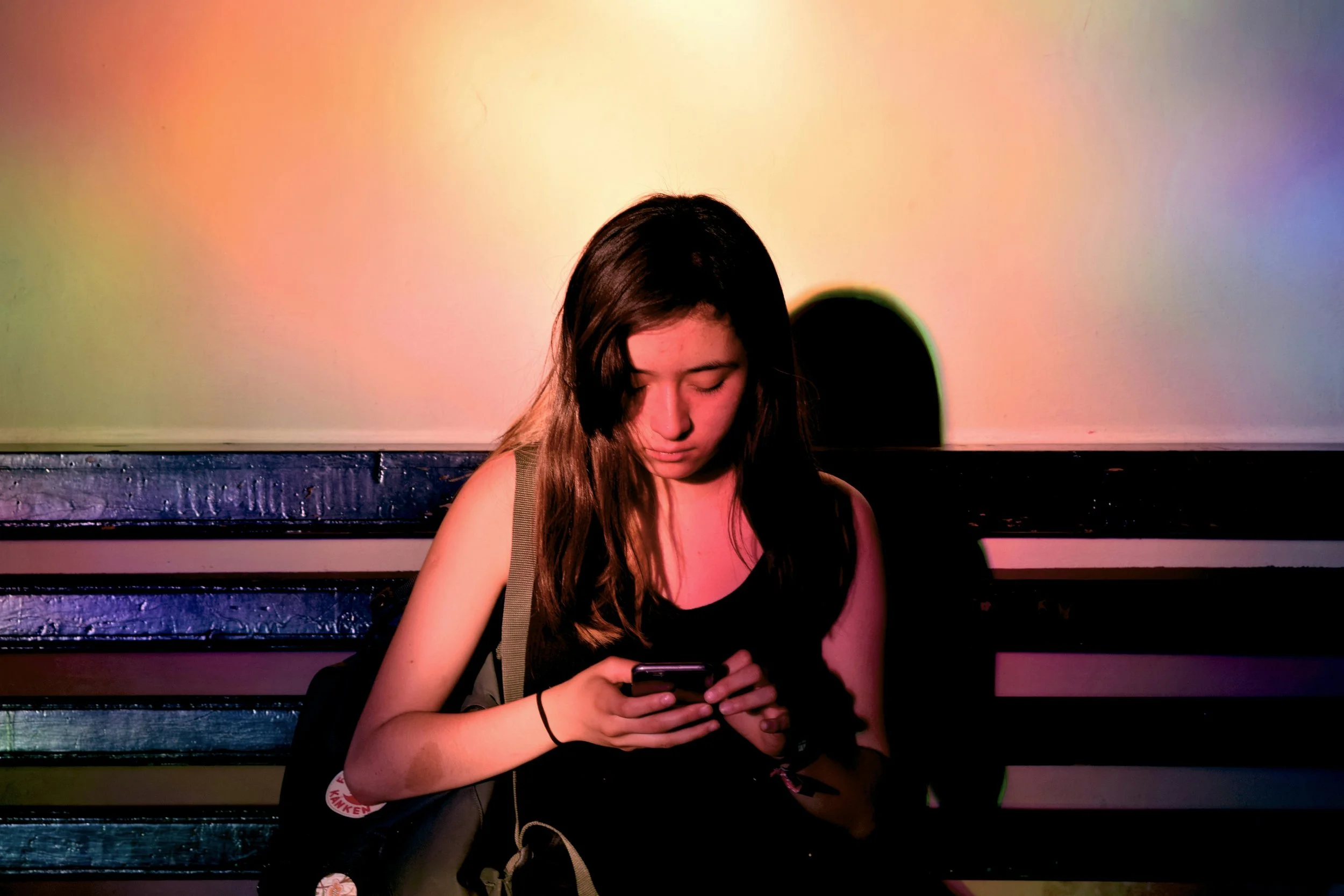
Human attraction psychology is a full-body process. It relies on timing, tone, physical presence, and subtle regulation between the two nervous systems and dating responses. Smell, movement, voice cadence, and micro-adjustments all matter. Digital platforms strip most of this away, contributing directly to dating fatigue.
Research in interpersonal attraction continues to show that early assessments of compatibility depend heavily on sensory and embodied cues that cannot be transmitted through profiles or messaging alone. In other words, how someone adjusts to you in real time matters more than how they present themselves in advance.
This helps explain why a strong online rapport can dissolve quickly offline. It’s not deception so much as missing data. Dating apps provide a sketch, not a lived experience - a fundamental mismatch that fuels online dating exhaustion. When expectations built on limited information repeatedly fail to match reality, dating fatigue sets in.
Used lightly, apps become introductions rather than auditions. They stop being asked to do the job of the body. This shift toward mindful dating can help reduce the intensity of dating fatigue by aligning our expectations with what digital platforms can actually deliver. Sometimes, navigating practical challenges in getting to dates matters as much as the connection itself.
Choice Overload and Dating Fatigue: When Abundance Changes Expectations

One of the defining features of app-based dating is scale. Hundreds of profiles. Endless choice. Continuous possibility. The phenomenon of choice overload in dating has become a significant contributor to dating fatigue.
Psychologically, abundance creates a paradox. While choice initially feels empowering, too much of it tends to reduce satisfaction and increase comparison. This effect is well documented in decision-making research and has been reaffirmed in recent dating-specific studies, all pointing to the psychological effects of dating apps.
Drawing on contemporary research, Garcia (2026) notes that while many dating apps promise efficiency and abundance, they often outpace the human nervous system and dating capacity, leaving people more connected in theory than in felt experience, which helps explain why slower, more considered engagement can produce more meaningful outcomes and reduce dating fatigue.
A 2022 paper in the Journal of Social and Personal Relationships found that higher perceived partner availability was linked to lower commitment and greater post-date rumination. People reported difficulty settling into curiosity about one person while remaining aware of many alternatives - a direct pathway to dating fatigue.
This abundance also reshapes hope. Each match can begin to carry disproportionate emotional weight - a subtle all-eggs-in-one-basket feeling - followed by sharp disappointment when chemistry fails to materialise. The cycle itself becomes exhausting, feeding directly into modern dating burnout. When exploring different relationship structures, this pressure can feel even more intense.
Slowing down reduces this volatility. Fewer conversations, fewer expectations, more room for actual assessment - this is the essence of mindful dating as an antidote to dating fatigue. Rather than spreading your emotional energy across dozens of simultaneous connections, focusing on a few thoughtful interactions can help preserve enthusiasm and reduce online dating exhaustion. Some find that exploring casual approaches with clear boundaries helps manage expectations.
Authenticity in Online Dating: Visual Optimisation Is Not Emotional Readability

Dating apps are built around images because the visual system is fast, persuasive, and deeply tied to desire. This is not accidental. The visual cortex plays a central role in initial attraction psychology. But image-led interaction has limits that contribute to dating fatigue.
Recent research shows that profile attractiveness does strongly influence initial dating impressions and related judgments. For example, a large conjoint analysis of thousands of real swiping decisions found that physical attractiveness was a much stronger predictor of selection success than other attributes such as intelligence or biography.
Additionally, studies on online dating profile visuals have found that richer and more beautiful visual elements lead to more favourable trait assessments and stronger dating intentions, although the impact can vary by gender and context.
People are not only scanning for beauty. They are scanning for coherence. Does this person feel legible? Do they feel present? Do they seem like someone who would respond? The lack of authenticity in online dating becomes another source of dating fatigue when every interaction feels performative rather than genuine.
This is where lighter use matters. When users stop trying to maximise appeal and instead aim for recognisability, attraction psychology becomes less performative and more relational - a shift toward mindful dating that reduces dating fatigue. Embracing authentic presentation over polished perfection can lead to more genuine connections and less online dating exhaustion.
Dating Fatigue Is Not a Personal Failure

Rising reports of burnout, disengagement, and loneliness are often framed as individual problems. People are told they need better filters, better boundaries, better profiles. But dating psychology reveals a different story - one where dating fatigue is a natural response to the pace of connection, not a character flaw.
BARE acknowledges that dating fatigue can be a natural response to the pace of connection and builds features that support thoughtful, paced engagement rooted in mindful dating principles.
According to research by the Pew Research Centre, a large share of online dating users report negative emotional experiences on dating sites and apps. For example, roughly nine-in-ten Americans who have used dating platforms in the past year say they have felt at least some disappointment with the people they encountered, and about 55 % say they have felt insecure about the number of messages received, indicators closely tied to modern “dating fatigue.” This modern dating burnout reflects systemic issues, not personal inadequacy.
Sociologists have linked this to the erosion of shared social context. Online dating removes many of the informal signals that once helped people assess safety, values, and belonging. Without community overlap, each interaction carries more uncertainty and more emotional labour, amplifying online dating exhaustion. The lack of emotional frameworks for navigating these digital spaces can make dating feel overwhelming.
Using apps slowly acknowledges this reality. It accepts that caution, ambivalence, and pacing are reasonable responses, not obstacles to be optimised away. This form of mindful dating helps combat dating fatigue by honouring our actual emotional capacity rather than pushing through exhaustion. Recognising common patterns and warning signs early can also prevent unnecessary emotional investment.
The UK Dating Landscape and Dating Fatigue
In the UK specifically, dating fatigue intersects with unique cultural and practical challenges. According to recent UK research, dating app usage and sentiment reflect growing fatigue and frustration among users. A 2023 UK survey found that 38% of male and 27% of female dating app users said they would never recommend using dating apps to others, signalling dissatisfaction with the experience for many singles.
Additionally, UK engagement metrics show that usage of the top dating apps dropped by around 16% between 2023 and 2024, with major platforms like Tinder and Bumble losing hundreds of thousands of users - a shift attributed in part to what many commentators describe as dating burnout.
The pressures of modern life in the UK - from long working hours to the cost of living crisis - compound dating fatigue. Dating requires energy, time, and financial resources, all of which feel increasingly scarce. This contextual reality makes mindful dating not just preferable but necessary for sustainable engagement.
When seasonal patterns like cuffing season create additional pressure, dating fatigue can intensify.
Practical Strategies for Managing Dating Fatigue
If you’re experiencing dating fatigue, here are evidence-based approaches rooted in mindful dating principles:
1. Limit Your Active Conversations to Combat Dating Fatigue
Rather than juggling multiple conversations simultaneously, focus on 2–3 quality interactions. This reduces choice overload in dating and allows you to be more present with each person, combating dating fatigue through depth rather than breadth. Setting clear boundaries helps protect your energy.
2. Take Intentional Breaks from Dating Fatigue
Schedule regular breaks from dating apps. Even a week off can help reset your nervous system and dating responses, reducing online dating exhaustion. This prevents dating from becoming chronic modern dating burnout. After significant relationship endings, longer breaks may be necessary.
3. Prioritise Authenticity to Reduce Dating Fatigue
Create a profile that reflects who you actually are rather than who you think others want. This reduces the performance anxiety that contributes to dating fatigue and attracts people more likely to appreciate the real you. The practice of authentic self-presentation creates better long-term outcomes.
4. Focus on Offline Connection and Dating Fatigue Relief
Move conversations offline sooner rather than later. Extended messaging can create false intimacy that exacerbates dating fatigue when it doesn’t translate in person. Brief chats followed by a meeting allow attraction psychology to work properly, reducing online dating exhaustion.
5. Recognise Dating Fatigue Anxiety Triggers
Notice what aspects of dating trigger stress or dating fatigue. Is it the initial messaging? The anticipation before meeting? Post-date rumination? Identifying specific anxiety triggers allows you to develop targeted strategies rooted in dating psychology.
6. Explore Different Relationship Structures to Address Dating Fatigue
Sometimes dating fatigue stems from pursuing relationship models that don’t align with your actual desires. Whether exploring non-monogamy, recognising when you want something more serious, or navigating undefined relationship territory, clarity about what you’re seeking reduces modern dating burnout.
When Dating Fatigue Signals Deeper Issues
While dating fatigue is often a normal response to the intensity of modern dating, sometimes it can signal that deeper reflection is needed. If you’re experiencing persistent online dating exhaustion despite implementing mindful dating practices, consider:
Whether you’re actually ready to date or need more time to heal from past relationships. The psychological effects of dating apps can be particularly intense when emotional wounds haven’t fully healed. Exploring how attachment develops can provide a useful perspective.
If underlying anxiety or depression is making dating worse. Professional support can help separate situational exhaustion from clinical symptoms. Mental health resources through the NHS or organisations like Mind UK offer valuable support.
Whether your expectations about dating, relationships, or timelines need adjustment. Sometimes, dating fatigue comes from unconsciously holding beliefs about how dating “should” work that don’t match current reality.
What This Leaves Us With
Dating apps are not broken. But they aren’t everything either. They work best when they are not treated as decision machines or self-worth meters. They are better understood as light points of contact - places where curiosity can begin but not be resolved. This perspective helps prevent dating fatigue.
Research consistently shows that relationships formed through apps can be just as stable and meaningful as those formed offline, once they move beyond the platform. The difficulty lies in asking the app to deliver certainty before experience has had a chance to do its work - a fundamental mismatch that drives online dating exhaustion.
Used lightly, apps introduce rather than decide - reducing dating fatigue. Used slowly, they allow our nervous system and dating responses to catch up with information, preventing modern dating burnout. Used with realistic expectations, they stop promising more than they can offer, addressing the core of dating psychology.
BARE embodies this ethos: connection still requires time, ambiguity, and attention. Its approach helps users engage at a human pace, recognising that no algorithm can fully substitute for the richness of lived experience. This commitment to mindful dating helps combat dating fatigue by honouring what actually supports human connection.
Whether you’re exploring LGBTQ+ spaces, maintaining openness to different experiences, learning about foundational relationship principles, or simply trying to understand current dating language, approaching the process with intention reduces dating fatigue.
Key Takeaways: Navigating Dating Fatigue

Dating fatigue is a real, well-documented phenomenon affecting dating app users globally, particularly in the UK. The psychological effects of dating apps - including choice overload in dating, the mismatch between digital and embodied attraction psychology, and the lack of authenticity in online dating - contribute to widespread modern dating burnout.
Mindful dating practices offer a path forward. By using apps more lightly, taking intentional breaks, focusing on quality over quantity, and prioritising authenticity in online dating, you can reduce online dating exhaustion and create space for genuine connection.
Dating fatigue is not a personal failure - it’s a reasonable response to systems that often outpace the human nervous system and dating capacity.
Exploring different perspectives, whether through cross-cultural wisdom, reflecting on why we pursue connection, or examining motivations for using apps, can provide helpful context for managing dating fatigue. Even those in established relationships, exploring new dynamics can experience similar exhaustion when exploring new dynamics.
If you’re struggling with dating app burnout, consider reading more about the specific dynamics of app fatigue and practical recovery strategies. And while exploring modern culture, you might even discover how concepts like contemporary social dynamics intersect with dating fatigue.
Recognising positive signs in developing connections and approaching relationships as multidimensional can help you move beyond dating fatigue toward a genuine connection.
Frequently Asked Questions About Dating Fatigue and Mindful Dating
-
Dating in the UK presents unique challenges that contribute to dating fatigue. According to recent dating statistics, many UK residents report finding modern dating challenging due to factors including:
Reserved communication styles
High living costs limit date opportunities
Long working hours reduce available time and energy
Geographical distances in less urban areas
The UK's pub culture and alcohol-centric socialising can also create pressure that contributes to online dating exhaustion. However, difficulty varies significantly based on location (London vs. smaller cities), age group, and individual circumstances.
-
According to the Office for National Statistics (ONS), approximately 35–40% of UK adults are single, though this varies significantly by age group and region. Among young adults (20s and early 30s), the percentage is higher, with many citing dating fatigue and online dating exhaustion as reasons for stepping back from active dating. These dating statistics reflect broader trends:
People are partnering later.
Prioritising career and personal development
Experiencing modern dating burnout from app culture
Facing economic barriers to cohabitation and marriage
Being single is increasingly normalised, though research shows that dating fatigue often drives the choice to remain unpartnered rather than a genuine preference for solo life.
-
Dating fatigue is the emotional exhaustion that can develop after prolonged use of dating apps or repeated dating experiences that feel draining or unfulfilling. It often shows up as reduced motivation to engage, frustration with conversations, or feeling overwhelmed by the process.
-
Dating apps can feel exhausting because they combine constant decision-making, uncertainty, and emotional investment with limited feedback. Choice overload, repeated small disappointments, and the pressure to present yourself can gradually lead to burnout.
-
Yes — research and surveys show that many people experience periods of dating fatigue. It’s generally understood as a natural response to the pace and ambiguity of modern dating rather than a personal failing.
-
Common signs include feeling indifferent about matches, avoiding opening apps, feeling emotionally drained after conversations, or losing curiosity about new connections. Some people also notice increased anxiety or cynicism about dating.
-
Reducing dating fatigue often involves slowing down your app use, limiting the number of conversations, taking intentional breaks, and focusing on interactions that feel genuine rather than trying to maximise matches.
-
Many people find that stepping away from dating apps for a period helps restore perspective and emotional energy. Breaks can reduce pressure and make it easier to return with clearer expectations.
-
Online dating can feel harder due to increased competition, higher expectations, and the sheer volume of options. As platforms scale, interactions can become more transactional, which can make meaningful connection feel more difficult.
-
Surveys in the UK and internationally suggest growing frustration with dating apps, with many users reporting burnout, reduced satisfaction, or taking breaks. This trend is often described as “dating app fatigue.
-
Yes — studies show that relationships formed through apps can be just as stable as those formed offline once people move beyond the platform. The key is often using apps as introductions rather than relying on them to create certainty.
-
Many relationship experts suggest keeping active conversations to a small number — often two or three — to avoid overwhelm and allow more genuine engagement with each person.
-
Swiping activates reward pathways in the brain by offering intermittent positive feedback, such as matches or messages. However, without deeper interaction, this can create short bursts of excitement without lasting satisfaction.
-
Using dating apps more intentionally — rather than constantly — can reduce pressure and improve the quality of interactions. Many people find that lighter use feels more sustainable.
-
Emotional burnout in dating can stem from repeated rejection, unclear communication, mismatched expectations, or the effort required to continually meet new people without a sense of progress.
-
Staying positive often involves pacing yourself, setting realistic expectations, focusing on curiosity rather than outcomes, and remembering that compatibility usually takes time to emerge.
-
If dating feels overwhelming, taking a pause can be helpful. Reflecting on what you want and returning when you feel more grounded can lead to healthier experiences
-
Conversations may fade because of competing options, mismatched energy, uncertainty about interest, or the lack of shared context that helps interactions develop naturally offline.
-
Yes — mindful dating refers to approaching dating with awareness, intention, and pacing. It emphasises being present, communicating clearly, and engaging at a pace that feels emotionally sustainable.
-
Focusing on fewer connections, moving conversations offline sooner, and prioritising curiosity over evaluation can help dating feel more relational and less like a process of constant assessment.
Selected Sources and Further Reading
Finkel, E. J. et al. (2023). “The promise and limitations of online dating.” Current Directions in Psychological Science.
Sprecher, S. et al. (2022). “Perceived partner availability and relationship decision-making.” Journal of Social and Personal Relationships.
Timmermans, E. & Courtois, C. (2023). “From swiping to burnout.” Computers in Human Behaviour.
Pew Research Centre (2024). “Dating apps and the emotional experience of online dating.”
Hertz, N. (2023). The Lonely Century. London: Sceptre.
García, J. R. (2026). The Intimate Animal. Little, Brown Spark.