Emotional Intelligence in Dating: Why It Matters for the BARE App
Table of Contents
Introduction
What is Emotional Intelligence in a Romantic Relationship?
A Brief History of Emotional Intelligence
Why BARE Cares About Emotional Intelligence in Dating
Emotional Inheritance and Dating
How Emotional Intelligence Helps with Dating and Relationships
The Five Components of Emotional Intelligence
Examples from Popular Culture
Why BARE Aligns with Emotional Intelligence
FAQs
Key Takeaways
Introduction

During my psychology studies, most of our discussions focused on traditional cognitive intelligence, not emotional intelligence, and certainly not emotional intelligence in the context of dating. We were taught how to recognise patterns, link facts, and make sense of complex analogies. In the early years, we even took various tests to measure general intelligence (IQ), whether through the Raven or more traditional assessments like the Wechsler.
It was interesting and at times even fun, although it became clear that these exercises also played rather neatly into our egos. At times, the results even became a quiet point of comparison - and for those who didn’t perform as well, a subtle form of exclusion.
Over time, a shift began to appear. Emotional intelligence in dating and relationships gradually started to come up more often, almost as if the academic world had finally recognised that cognitive intelligence alone isn’t enough to navigate relationships, work, or even everyday communication. The term emotional intelligence has since become a cultural staple. It turns up on job descriptions, dating profiles, and self-help books. People seem to recognise that it is something worth having and something they expect from others. Yet it is not always obvious what it refers to or why it matters - especially when it comes to emotional intelligence in dating.
Research has shown that higher levels of emotional intelligence can help people better manage stressors and improve mental well-being. A 15-year longitudinal research at the University of Trent found that trait EI had high stability over the period and was a moderate predictor of satisfying interpersonal relationships at the later time point. The participants became subjects of research first when they were undergraduates and then again when they were in mid-life.
For an app like BARE, which speaks to people who value open-minded dating, curiosity, and honesty, emotional intelligence in dating is not simply a bonus. It forms part of the foundation that allows the app to work as intended. We believe our users will not only benefit from this approach but will also add value to the app's ongoing development and thriving.
What is Emotional Intelligence in a Romantic Relationship?

Emotional intelligence in dating and in romantic relationships refers to the ability to recognise, understand, and manage your own emotions while also being attuned to your partner's emotional cues and needs. It's about developing emotional awareness that allows you to navigate the complexities of intimate connections with self-awareness, empathy skills, and emotional regulation.
In the context of emotional intelligence and relationships, this means being able to:
Identify and name your feelings accurately
Understand how your emotions influence your behaviour
Recognise your partner's emotional state through verbal and non-verbal emotional cues
Respond thoughtfully rather than reactively
Practice emotional regulation during conflicts or stressful moments
Demonstrate emotional maturity by taking responsibility for your actions
What is emotional intelligence in a romantic relationship? At its core, it's the difference between relationships that feel like constant work and those that flow with mutual understanding and respect. When both partners demonstrate emotional intelligence in dating and relationships, they create a foundation where vulnerability feels safe, communication flows naturally, and conflicts become growth opportunities rather than threats to the relationship.
Emotional intelligence provides individuals with the skills necessary for positively managing their emotions, as well as forming healthy relationships with those around them, contributing to greater feelings of well-being overall. For those exploring casual dating, emotional intelligence becomes even more crucial as it helps establish clear expectations and boundaries in casual dating.
A Brief History of Emotional Intelligence

The idea that emotions involve a form of intelligence is older than the phrase itself. Even early psychoanalytic thinkers were already exploring the ways people understand and misread their own feelings and those of others, and noticed how much trouble and confusion it can bring to people's lives. The formal concept of “emotional intelligence” was first defined in 1990 by psychologists Peter Salovey and John Mayer, and was later popularised by Daniel Goleman in the mid-1990s. It was introduced to address an imbalance in how psychology understood intelligence. Measuring intellectual ability through IQ had become the default, yet this left out the more subtle capacities involved in human relationships, attunement, communication, and resilience.
The term had to be coined because our older language for intelligence was too narrow. It implied that cleverness could be captured through problem solving, logic, or memory. Concepts such as Emotional intelligence in dating and relationships proposed that understanding yourself and others required something different, perhaps something more nuanced - not an opposition to academic intelligence, but an expansion of what it means to be capable, to live to one's full potential, not only through intellectual abilities.
Emotional intelligence in dating is generally said to include a few key skills: emotional awareness - the ability to identify and name one's own emotions; the capacity to harness those emotions and apply them to tasks like thinking and problem-solving; and the ability to manage emotions effectively.
Why BARE Cares About Emotional Intelligence in Dating

BARE dating app is built around the idea that dating works best when people meet together with openness, curiosity, and a willingness to share something of themselves that is genuine and authentic. Emotional intelligence in dating helps with this because it allows you to read a situation, listen to the tone of a conversation, and understand what your own feelings are pointing toward, which is an important ingredient of a genuine interaction with other people.
This quality or even ability (as it can be worked on) helps you stay present rather than defensive or constantly self-conscious. People who demonstrate emotional intelligence in dating tend to think and respond rather than react. They can delay instant gratification to gain longer-term benefits rather than acting on impulse. They know how to name what they want and express their hesitations without expecting the other person to guess them.
On BARE, where the focus sits on thoughtful prompts and authentic exchanges, emotional intelligence in dating makes a significant difference. The app speaks to the open-minded partly because openness requires a certain level of emotional awareness. It suits people who enjoy reflecting on why they do what they do, who value questions, and who are not afraid of a little depth.
For those in the LGBTQ+ community, emotional intelligence in dating becomes particularly valuable as it helps navigate the unique challenges and joys of LGBT dating. Whether you're exploring non-monogamy or wondering if you should start open-minded dating, emotional intelligence provides the foundation for honest conversations about desires, boundaries, and expectations.
Emotional Inheritance and Why It Matters

Galit Atlas’s work on emotional inheritance adds another layer to this idea. She explains that many of the emotional patterns we carry - our fears, triggers, or sensitivities - don’t always start with us. Families pass down unspoken losses, unresolved stories, and inherited emotional wounds.
Emotional inheritance shapes how people respond in relationships, often without realising where those reactions come from.
This is where emotional intelligence in dating becomes especially valuable. It helps us pause and ask whether our feelings belong to the present moment or whether they echo something older or inherited. We may never have complete certainty, but developing a bit of healthy scepticism about our emotional perceptions makes it easier to respond with reflection rather than repetition.
In examples of emotional intelligence in dating, this is more relevant than people realise. Someone might pull away, cling, or become anxious without knowing that the intensity might be coming from a past they never chose, and it is a part of their family patterns. This is especially important to consider when dating after a breakup, as past relationship patterns can influence new connections.
Becoming aware that emotional inheritance exists gives people more freedom. Instead of repeating the past, they can relate with patience, intention, and choice. This also might help them to do less self-judgment and more compassion towards themselves and other people who share this fate of emotional inheritance. Understanding how to set boundaries in a relationship becomes easier when you recognise which patterns are truly yours and which are inherited.
How Emotional Intelligence Helps with Dating and Relationships

Emotional intelligence and relationships thrive on communication that is both honest and kind. Emotional intelligence in dating supports this by helping you notice how your partner feels, how you feel, and how each of you responds to tension, excitement, or disappointment. It also makes room for difference. Instead of assuming that everyone thinks the way you do, you can remain curious about the other person's world.
In examples of emotional intelligence in dating, emotional intelligence often shows itself in very simple ways:
Asking a question that shows you were genuinely listening
Noticing when a message feels rushed or when someone seems withdrawn
Being curious without making assumptions, as sometimes our impressions can be subjective
Knowing when to lean in and when to give space
Being able to say something direct without it becoming blunt-edged
People who have good social skills and know how to recognise and regulate their emotions are better able to avoid or manage relationship issues, whether those problems pop up with a romantic partner, child, friend, family, or co-worker.
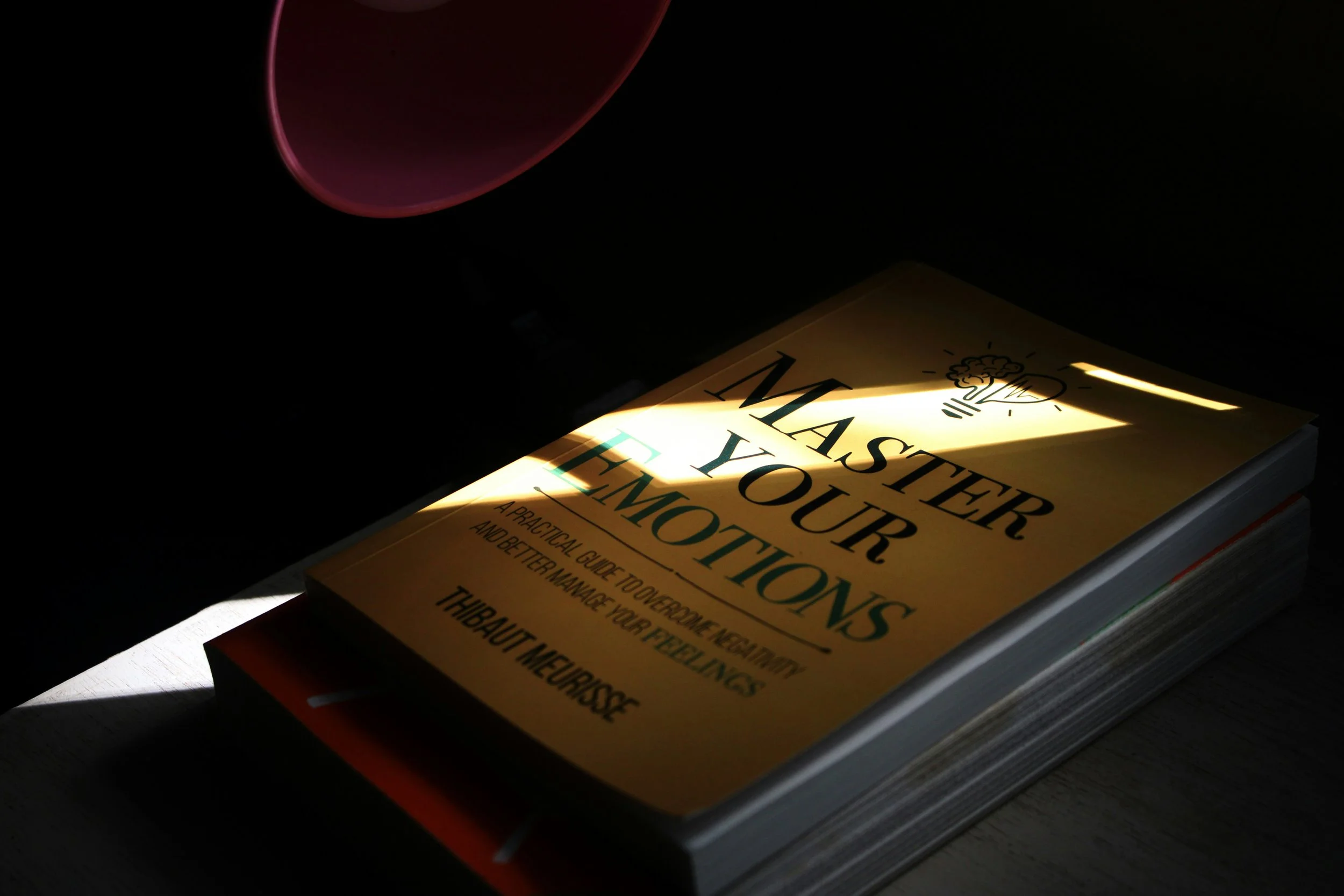
But can emotional intelligence be worked on or improved? Yes. Emotional intelligence in dating is not a fixed trait. People can develop it through self-awareness practices, therapy, journaling, conversations with friends, or simply by slowing down enough to notice their responses. Being open-minded already puts you at an advantage, because curiosity is one of the best routes to emotional learning. You can also improve emotional intelligence by practising honesty, observing how you communicate, and being willing to learn from moments that felt awkward or revealing.
Studies have found that those who have higher emotional intelligence tend to display increased job performance, greater leadership capabilities, increased creativity and more successful relationships. Relate offers resources and counselling that can help develop these crucial skills in the context of emotional intelligence and relationships.
The Five Components of Emotional Intelligence
According to Daniel Goleman, there are five components of emotional intelligence:
1. Self-Awareness
Self-awareness involves ongoing attention to one’s internal states. The mind becomes capable of observing its own experience, including emotions. In this state, Goleman suggests that you become an interested but non-reactive witness - someone who can step back from the immediacy of their own responses. This kind of self-awareness is a core part of emotional intelligence in dating, because it helps you notice your feelings before they spill into the interaction itself. Practices like journaling or meditation can strengthen this skill and make it easier to stay grounded in relationships.
In examples of emotional intelligence in dating, self-awareness might look like recognising when you're feeling anxious about a date and understanding where that anxiety comes from, rather than projecting it onto your date or avoiding the situation entirely.
2. Self-Regulation (Emotional Regulation)
Drawing on Walter Mischel’s work, Goleman describes emotional regulation as a goal-directed, self-imposed delay of gratification - the ability to resist the impulse to act immediately in service of a longer-term aim. This skill is central to emotional intelligence in dating because it allows you to pause instead of reacting impulsively during emotionally charged moments. Self-regulation can be strengthened in different ways: when challenging situations arise, take a moment to pause and take stock. Simple techniques like deep breathing can help you stay calm and respond more thoughtfully.
Emotional regulation is particularly important when dealing with challenges like the recent London tube strike, which might affect your ability to meet up with a date. How you handle such disruptions can reveal your level of emotional maturity.
3. Motivation
This is the ability to recognise one's feelings and draw upon them to guide behaviour. Goleman links this to the flow state, a term introduced by Mihaly Csikszentmihályi. Psychotherapist Carl Rogers (1961) also wrote about this quality, describing fully functioning individuals as those who can experience their emotions and the world around them with honesty and without pretence. In a flow state, the inner critic quietens, and a person becomes absorbed in an activity.
4. Empathy (Empathy Skills)
Goleman understands empathy as the root of altruism, referring to the ability to read emotions in others. He also connects compassion closely to empathy. In the context of emotional intelligence in dating, this means noticing emotional responses in your partner while remembering that everyone’s experience is different. People carry their own histories, associations, and interpretations. Empathy skills become a starting point - an invitation to stay curious about how someone else is experiencing a situation, rather than relying solely on your own reading of it.
It's not always easy to recognise other people's emotions, but by taking notice of facial expressions, body language and tone of voice, we can improve our ability to read the emotions that other people experience. These empathy skills are crucial examples of emotional intelligence in dating that help create deeper connections.
5. Social Skills
These, according to Goleman, should be used with integrity. He offers the example of people who scan for what is wanted from them socially and shape themselves to fit, rather than acting from what they genuinely feel. Such individuals may seem like entirely different people depending on the company they keep. In the context of emotional intelligence in dating, this highlights the importance of using social skills in a way that aligns with your true feelings and values - even when doing so carries social risk. Authenticity, rather than performance, is what allows genuine connection to develop.
Psychology Today UK resource centre provides additional insights into developing these components of emotional intelligence in your personal and romantic life.
Examples of emotional intelligence from Popular Culture

Television offers surprisingly rich examples of emotional intelligence in dating and relationships. Ted Lasso is often cited because the series builds itself around kindness, vulnerability, and the awkwardness of learning to relate differently. Characters like Roy Kent develop emotional intelligence over time, not by becoming softer, but by becoming more aware of their own emotional life. This show portrays that even to become more aware of one's emotions doesn't make you perfect, and it is a long, non-linear process that never really ends. As human beings, we hopefully continue evolving and changing with time and life experience, but it takes the openness of one's mind.
Other examples of emotional intelligence in dating and relationships include:
Sex Education which treats emotional literacy as part of becoming an adult. Characters learn to speak about feelings they did not have language for before, demonstrating emotional awareness and self-awareness in action.
Normal People, which shows how difficult relationships become when emotional intelligence is missing, and how transformative it is when communication improves. The series illustrates the importance of emotional cues and emotional maturity.
Fleabag, where emotional intelligence grows through painful self-recognition, allowing relationships to shift in quite surprising ways. This demonstrates emotional regulation and empathy skills developing over time.
The Good Place frames emotional growth as an ongoing, imperfect process that makes people more available to one another, showcasing examples of emotional intelligence in dating and friendship dynamics.
Another strong example, especially for Gen Z, is Inside Out. The film turns emotions into characters and shows how each one has a purpose, even the ones we try to avoid. Joy cannot run everything on her own. Sadness becomes essential for connection, empathy, and honesty. The storyline captures a core idea behind emotional intelligence in dating: that emotional life is not something to be controlled or tidied up, but something to be understood and engaged with. It also shows how much easier relationships become when we recognise the value of our feelings without putting unnecessary judgment on them, rather than splitting them into good and bad.
These shows capture something simple but crucial about emotional intelligence and relationships. Emotional intelligence is not about always being calm, flawless, or endlessly patient. It is about being able to recognise the emotional truth of a moment and respond to it with some thought and respect for ourselves and the people we are in different relationships with. Mind, the mental health charity, offers courses on developing emotional intelligence that can help translate these on-screen lessons into real-life skills.
Why BARE Aligns with Emotional Intelligence

BARE is not an app for people who want to hide behind filters or polished performances. It is for people who enjoy or strive for honesty, creativity, and depth. People with emotional intelligence tend to find this kind of space natural and positively challenging rather than intimidating. They do not want perfection. They expect presence.
The more you understand and get to know yourself through self-awareness, the more easily you can meet another person without the weight of pretence. Emotional intelligence in dating allows dating to feel less like a performance and more like a genuine dialogue. And that is exactly the kind of encounter BARE is designed to make possible.
When you develop emotional awareness, practice emotional regulation, cultivate empathy skills, learn to read emotional cues, and demonstrate emotional maturity, you're not just becoming a better dater - you're becoming someone who can build the kind of authentic, meaningful connections that last. This is the essence of emotional intelligence and relationships that BARE seeks to foster.
By understanding your emotions and how to control them, you're better able to express how you feel and understand how others are feeling. This fundamental principle of emotional intelligence creates the foundation for successful modern dating experiences. Organisations like HelpGuide offer practical resources for developing these crucial skills in emotional intelligence and relationships.
Ready to experience dating that values emotional intelligence? Sign up for BARE and connect with people who appreciate authenticity, emotional awareness, and genuine conversation.
Frequently Asked Questions
What is emotional intelligence in a romantic relationship?
It's the ability to recognise, understand, and manage both your own emotions and your partner's emotions effectively. Emotional intelligence in a romantic relationship includes self-awareness of your feelings, emotional regulation during conflicts, empathy skills to understand your partner's perspective, the ability to read emotional cues, and the emotional maturity to communicate honestly and kindly. People with high emotional intelligence in dating can navigate disagreements constructively, express needs clearly, and create deeper emotional intimacy with their partners.
What is the 70/30 rule in a relationship?
The 70/30 rule suggests that you should find 70% of your happiness within yourself and bring that to the relationship, while your partner contributes the remaining 30%. This principle actually supports emotional intelligence and relationships by encouraging self-awareness and emotional regulation. When you cultivate emotional maturity and don't rely entirely on your partner for your emotional well-being, you demonstrate examples of emotional intelligence in dating that create healthier, more balanced partnerships. This rule emphasises that emotional intelligence begins with managing your own inner world before expecting someone else to complete you.
What are the 5 key elements of emotional intelligence?
The five key elements of emotional intelligence were popularised by psychologist Daniel Goleman, whose model is still widely used in psychology, workplace training, and relationship research. These elements are:
Self-awareness - recognising your emotions, triggers, and patterns.
Self-regulation - managing your impulses, staying calm, and responding rather than reacting.
Motivation - staying driven by internal values rather than external rewards.
Empathy - understanding other people’s emotions, perspectives, and needs.
Social skills - communicating effectively, resolving conflict, and building healthy relationships.
These five components work together to strengthen emotional intelligence in dating and relationships, helping you navigate difficult conversations, build a deeper emotional connection, and respond to your partner with maturity and understanding.
How to spot someone with emotional intelligence?
Someone with emotional intelligence demonstrates several recognisable traits - some examples of emotional intelligence in dating include: remaining calm during conflicts (emotional regulation), actively listen and validate others' feelings (empathy skills), take responsibility for their mistakes (self-awareness), pick up on subtle emotional cues without being told, communicate their needs directly but kindly, and show emotional maturity by considering long-term consequences of their actions. In emotional intelligence and relationships, these individuals don't blame others for their emotions, can discuss difficult topics without becoming defensive, and demonstrate emotional awareness by naming their feelings accurately rather than acting them out.
How does emotional intelligence improve romantic relationships?
Emotional intelligence strengthens romantic relationships by helping partners understand their own emotions and respond to each other with empathy, clarity, and emotional maturity. When you’re able to recognise your feelings, communicate them calmly, and interpret your partner’s emotional cues accurately, conflicts become easier to navigate and connection becomes easier to maintain.
High emotional intelligence in dating and long-term relationships supports:
Healthy communication - expressing needs without blame or defensiveness.
Emotional regulation - staying grounded during disagreements.
Empathy and attunement - noticing what your partner is feeling, even when they don’t say it directly.
Repairing conflict - apologising well, resolving tension, and rebuilding closeness.
Secure connection - creating a relationship where both people feel understood and valued.
In essence, emotional intelligence helps couples respond to each other rather than react impulsively, making it one of the strongest predictors of long-term relationship satisfaction.
Key Takeaways
Emotional intelligence in dating isn’t just a trend - it’s a core skill that shapes the way we connect, communicate, and build meaningful relationships. Here are the essential points to remember:
✓ Emotional intelligence in dating includes self-awareness, emotional regulation, motivation, empathy skills, and social skills that work together to create authentic connections.
✓ What is emotional intelligence in a romantic relationship? It's the ability to recognise and manage emotions - yours and your partner's - while reading emotional cues and responding with emotional maturity.
✓ Examples of emotional intelligence in dating show up in everyday moments: listening actively, recognising when to give space, communicating needs directly, and staying curious rather than defensive.
✓ Emotional intelligence and relationships thrive when both partners practice emotional awareness and emotional regulation, creating a safe space for vulnerability and growth.
✓ Emotional intelligence is not fixed - you can develop self-awareness, empathy skills, and emotional maturity through practice, therapy, journaling, and mindful reflection.
✓ Understanding emotional inheritance helps you distinguish between reactions that belong to the present and patterns inherited from your family, supporting healthier emotional intelligence and relationships.
✓ BARE dating app prioritises emotional intelligence in dating by creating spaces for authentic, thoughtful exchanges that reward emotional awareness over performative perfection.
✓ Popular culture offers valuable examples of emotional intelligence in dating through shows like Ted Lasso, Normal People, and Inside Out, demonstrating that emotional maturity is an ongoing journey.
References
Atlas, G. (2022). Emotional Inheritance. A Therapist, Her Patients and the Legacy of Trauma. Short Books
Goleman, D. (1995). Emotional Intelligence. Why It Can Matter More Than IQ. Bloomsbury Publishing 2020.
Rogers, C. (1961). On Becoming a Person. A Therapist's View of Psychotherapy. Robinson 1977