Why People Use Dating Apps for Reasons Other Than Dating

Table of Contents
Introduction
Validation and the Need to Be Seen
Boredom, Regulation, and Emotional Soothing
Fantasy, Curiosity, and the Imagined Other
Loneliness Without Readiness
What This Means for Modern Dating
A Different Way of Thinking About Dating Apps
Key Takeaways
FAQs
Further Reading
Introduction
Why people use dating apps gets talked about as if dating apps have one job, and that is to help you meet someone, fall in love, or at least to go for fun dates. But look into the research and user behaviour, and you'll find something slightly more interesting there. Why people use dating apps isn't always about finding romance - people can engage with these platforms without a clear aim to meet anyone. And yet, they keep coming back, chatting to other users. This type of person uses dating apps in ways that reveal something important about modern dating culture and human psychology.
Studies, including research cited by Tinder itself, show that why people use dating apps extends far beyond traditional dating goals. According to UK online dating statistics from Statista, millions of Brits engage with these platforms for reasons people use dating apps that go far beyond dating itself, including boredom, curiosity, emotional validation, distraction, confidence-building, social connection, and self-exploration. Sometimes people aren't looking for someone at all. They're looking for a particular state of mind or experiences - this reflects broader shifts in modern dating culture.
Validation and the Need to Be Seen
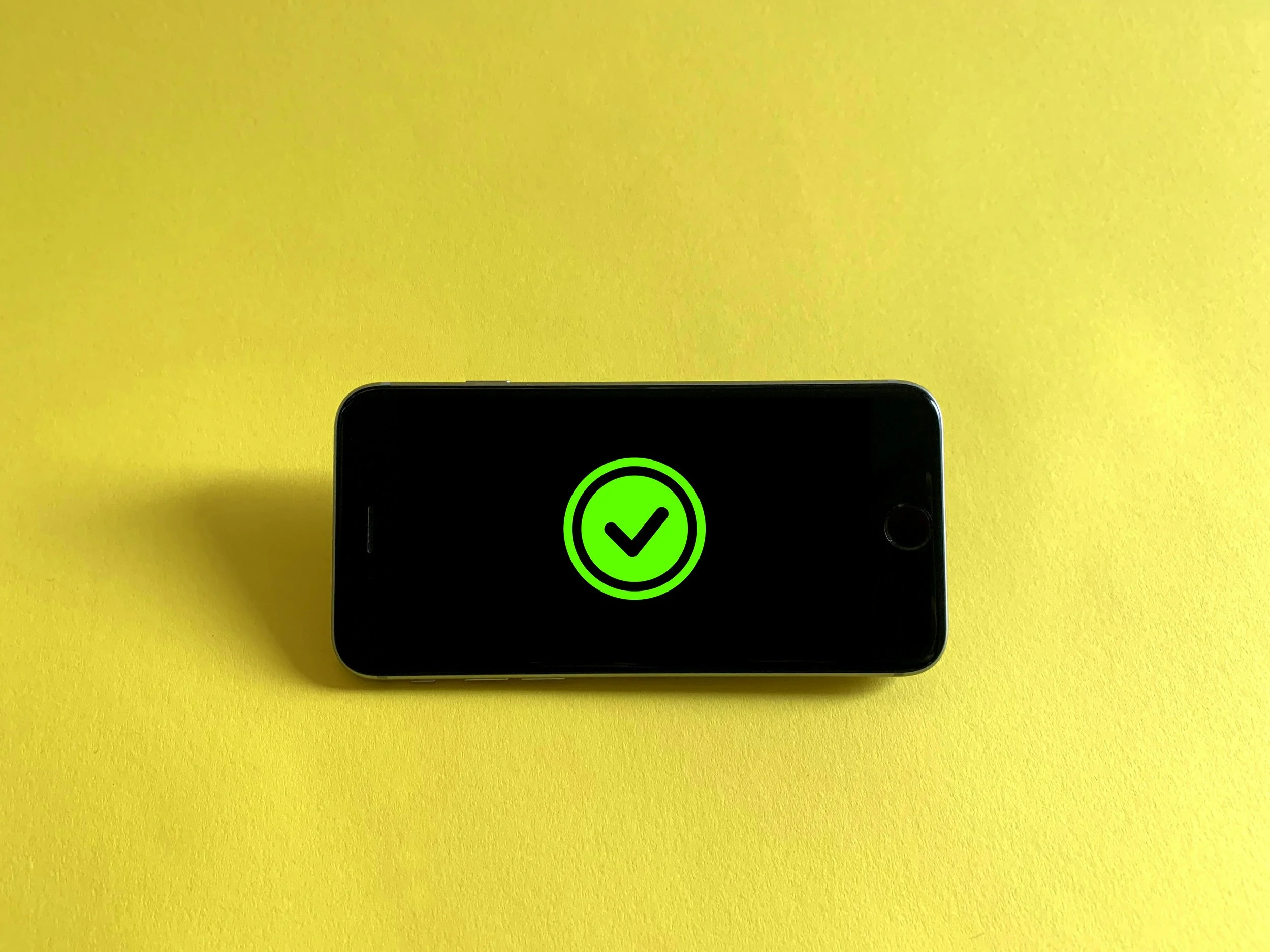
One of the most common reasons people use dating apps? Validation. Using dating apps for validation has become a primary motivator, with matches, likes, and messages offering quick reassurance that we're attractive, interesting, or wanted.
Psychologically, this makes perfect sense. Why people use dating apps for validation connects to fundamental human needs. Being seen and recognised is essential to our well-being. Dating apps provide a low-effort way to check whether we are still registered in the social world. Do people still find me interesting? Am I still visible? Do I still matter to others?
This speaks to something deeper than vanity. Research in social psychology, consistently shows that social validation affects self-esteem and mood (Baumeister & Leary, 1995). Why people use dating apps during vulnerable moments - navigating a breakup, feeling isolated, or going through a confidence wobble - makes sense when you consider that a little dopamine hit from a match can genuinely help.
Using dating apps for validation isn't limited to any particular demographic, though why young people use dating apps for this purpose is particularly noteworthy. Younger generations, having grown up with virtual connections as the norm, often seek emotional validation through these platforms as part of their social routine. After experiencing challenges in relationships, many discover how to start dating after a breakup by first rebuilding confidence through app interactions.
Boredom, Regulation, and Emotional Soothing
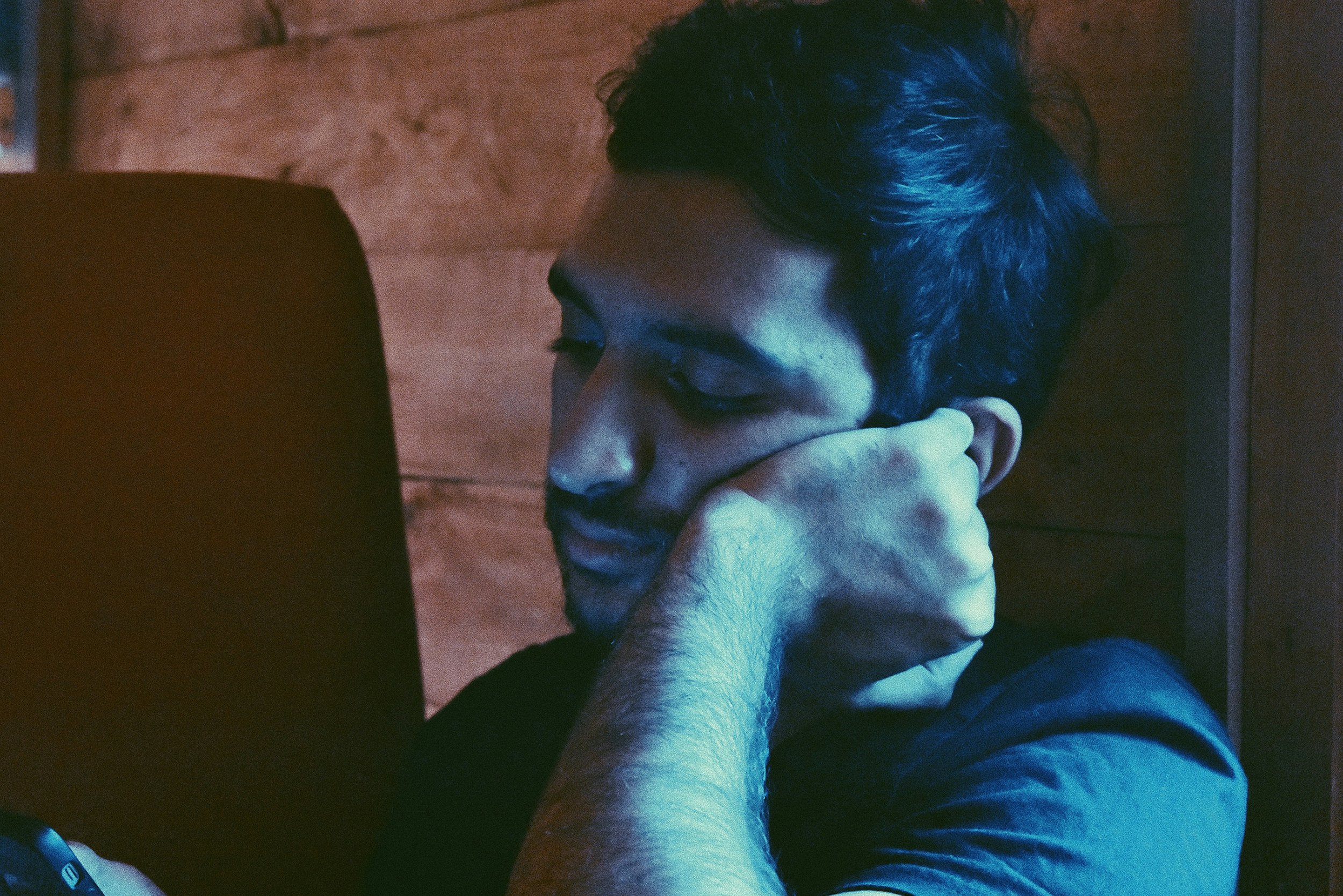
Another major driver? Why people use dating apps when bored reveals fascinating insights into online dating psychology. Boredom here isn't just emptiness - it's often masking restlessness, low mood, or a need for mental stimulation.
Why people use dating apps when bored relates to how swiping, chatting, and matching create rhythm and anticipation. They generate a sense of movement when everything else feels static. From a psychodynamic perspective, this functions as emotional regulation: managing internal states through external interaction (Fonagy et al., 2002).
Seen this way, why people use dating apps begins to look less like a search for matches and more like a transitional space — somewhere between being alone and being with others. They fill a psychological gap, offering a virtual connection without the full weight of immediate commitment. This phenomenon has contributed to dating app fatigue, where users feel simultaneously engaged and exhausted.
Online dating statistics from the Office for National Statistics' research on loneliness suggest that why people use dating apps often correlates with periods of isolation or transition. The apps serve as emotional validation tools that provide comfort during uncertain times, reflecting broader patterns in modern dating culture.
Fantasy, Curiosity, and the Imagined Other

Dating apps are also spaces for fantasy. Why people use dating apps extends to exploring imagination and possibilities. Profiles invite imagination. Conversations let people experiment with different versions of themselves - flirtatious, witty, mysterious, bold - often without the immediate stakes of offline interaction.
This isn't fake or shallow. It's psychologically meaningful. What type of person uses dating apps for fantasy and exploration? According to online dating psychology research, it's almost everyone at some point.
Fantasy plays a crucial role in how we relate to others, particularly before anything becomes concrete (Mitchell, 2002). For many users, the app itself satisfies something important: a place where desire, curiosity, and possibility circulate freely, even if no actual meeting follows. Online dating statistics and research show that people often enjoy the process of imagining connection as much as, or even more than, the prospect of real-world dates (Finkel et al., 2012).
Why people use dating apps for this imaginative space connects to broader questions about identity and self-expression. Those exploring casual dating or other relationship types often use apps as safe spaces to test possibilities. This exploration phase is crucial to even for falling in love, even when it happens primarily online.
Loneliness Without Readiness

We're living through what economist Noreena Hertz calls "The Lonely Century," an era where loneliness and social anxiety are rising sharply, particularly among younger generations. Why do young people use dating apps despite feeling unprepared for in-person dating? Dating apps can sit comfortably in that gap, offering a virtual connection without immediacy, proximity, or commitment.
Hertz's research, expanded upon in Mental Health Foundation UK's loneliness report, shows that loneliness isn't simply about being alone - it's about feeling unseen, unheard, and disconnected even when surrounded by people (or profiles). Why people use dating apps responds to this by providing a form of social contact that feels manageable, controllable, and less vulnerable than face-to-face interaction.
This helps explain why people use dating apps while consistently avoiding real-world meetings. It's not necessarily ambivalence about other people - it's about timing, capacity, and emotional readiness. Research on attachment and dating shows that those with avoidant attachment styles, in particular, lead people who use dating apps while maintaining emotional distance (Szekeres & Tiggemann, 2022). Those experiencing dating anxiety in modern dating often find that apps provide a buffer zone.
Reasons people use dating apps during periods of unreadiness include maintaining a sense of possibility while processing past relationships, practising social skills in low-stakes environments, and combating isolation without the pressure of immediate commitment. These patterns are especially visible in modern dating culture, where traditional timelines and expectations have shifted dramatically. In light of these changes, many people are still learning how to date authentically while managing personal challenges.
What This Means for Modern Dating

When people use dating apps for many different reasons, frustration builds when apps insist on only one outcome. Why people use dating apps varies so wildly that the pressure to perform, decide, or progress quickly feels jarring when it doesn't match how users actually engage.
This feeds directly into dating app burnout. The person opening the app might be exploring, seeking validation, managing loneliness, or just passing time. Why people use dating apps at any given moment could be because they're curious about connection without being ready for commitment. They might want to feel desired without wanting to date.
Modern dating culture has evolved to accommodate these mixed intentions, though not without growing pains. Online dating psychology research, including studies from Relate UK on modern relationships, suggest that apps work best when they acknowledge this complexity rather than fighting against it.
Reasons people use dating apps now include everything from seeking casual dating to looking for serious relationship signs. The diversity of motivations has reshaped what type of person uses dating apps - essentially, everyone, but for vastly different purposes. Those navigating what is a situationship often find themselves caught between these varying intentions.
A Different Way of Thinking About Dating Apps

Recognising why people use dating apps serves multiple psychological functions and opens up a more nuanced approach. Instead of asking, "Why aren't people using dating apps properly?", we might ask: "What are people actually seeking right now?"
At BARE, we take this complexity seriously. We assume people use dating apps with mixed intentions, shifting desires, and unfinished questions. Rather than demanding clarity upfront, we create space for conversation, curiosity, and gradual unfolding. Our approach acknowledges why people use dating apps, supporting authentic dating in all its forms.
Modern dating culture benefits from this more compassionate lens. Why people use dating apps should inform how we design and engage with these platforms. Dating often begins with a feeling, a moment of recognition, or simply the sense of being met where you are.
And sometimes, that's reason enough for why people use dating apps. Whether you're exploring LGBTQ dating, exploring inon-monogamy, or simply seeking virtual connection, apps can serve your needs when approached with self-awareness.
Those who've wondered about red flags in online dating or experienced ghosting can appreciate how online dating psychology influences every interaction. Building emotional intelligence helps users navigate these complex spaces more effectively.
Key Takeaways
Why people use dating apps extends far beyond finding romantic partners - validation, boredom relief, fantasy exploration, and social connection all play significant roles.
Using dating apps for validation addresses fundamental psychological needs for recognition and emotional validation.
Why people use dating apps when bored relates to emotional regulation and the need for stimulation rather than genuine dating interest.
Why do young people use dating apps often relates to virtual connection preferences and comfort with digital-first interactions.
The type of person who uses dating apps has expanded to include almost everyone, each with varying motivations and readiness levels.
Modern dating culture requires apps that acknowledge multiple user intentions rather than pushing toward a single outcome.
Online dating psychology and online dating statistics reveal that fantasy, curiosity, and imagined connections can be as valuable as actual meetings.
Reasons people use dating apps during periods of loneliness may involve seeking connection without emotional readiness for in-person dating.
Apps function as transitional spaces offering a virtual connection between solitude and committed relationships.
FAQs
-
Yes, people use dating apps extensively in the UK. According to Statista's UK online dating statistics, millions of British users actively engage with dating platforms. Why people use dating apps in the UK mirrors global patterns, but with some cultural distinctions around modern dating culture. British users often value wit and authenticity in profiles, and online dating statistics show steady growth in app usage across all age groups, particularly demographics aged 18-34. The UK has embraced virtual connection as a mainstream way to meet potential partners, with apps becoming integral to modern dating culture.
-
Why people use dating apps varies significantly by individual and context. The primary reasons people use dating apps include: seeking romantic relationships, using dating apps for validation and emotional validation, combating loneliness through virtual connection, Why people use dating apps often includes turning to them when bored, seeking entertainment and stimulation, exploring fantasy and identity, rebuilding confidence after break-ups, practising social skills in low-stakes environments, and maintaining a sense of romantic possibility without immediate commitment. Online dating psychology research consistently shows that the type of person who uses dating apps for each of these reasons spans all demographics, although motivations frequently shift with life circumstances. Those curious about what consent in a relationship or keen on learning modern dating terms also increasingly use apps as informal educational spaces.
-
UK modern dating culture blends traditional British reserve with contemporary openness. Why people use dating apps in Britain reflects this tension - many seek genuine connections but approach dating with characteristic British humour and slight emotional guardedness. The culture values authenticity, intelligence, and banter over overt displays of wealth or status. Online dating psychology in the UK shows that people appreciate directness about intentions while maintaining politeness. Seasonal patterns like cuffing season influence why young people use dating apps, particularly during autumn and winter months. British daters often prefer casual, low-pressure first dates in pubs or cafes, and there's growing acceptance of diverse relationship types and open-minded dating approaches.
-
Five core reasons people use dating apps and engage in dating generally include:
Emotional validation and companionship - seeking someone who understands and values you, which addresses fundamental human needs for connection
Romantic love and intimacy - the desire to experience love and build deep emotional bonds
Exploring compatibility for long-term partnership - looking for a committed relationship and shared life goals
Personal growth and self-discovery - learning about oneself through interactions with others and developing emotional intelligence
Social connection and companionship - combating loneliness and building virtual connections or in-person networks
These motivations often overlap, and the type of person who uses dating apps for each reason varies.
Further Reading
At BARE, we believe in the circular life of a book. To reduce our collective footprint, we suggest choosing pre-loved, audio, or e-book editions where available. When only a new copy will do, we strive to support independent booksellers. This keeps our reading habits sustainable for the planet and for your pockets.
Rene Brown: “The Gifts of Imperfection”
Stan Tatkin: “Wired for dating.”
You might also wonder about why we need relationships from a psychological perspective, which provides a deeper context for why people use dating apps as tools for fulfilling fundamental human needs.
Anna Sergent, MA Psych. UKCP (CPJA)
Psychoanalytic Psychotherapist
Disclaimer
The thoughts in this article are my own and are for information & inspiration. They are not intended as psychotherapeutic advice or a substitute for professional support.