
What is a Situationship? Are We Just Settling?

Table of Contents
Introduction
What is a Situationship in Dating?
The Rise of Situationships in Gen Z
Types of Situationships
Signs You're in a Situationship
Situationship vs Dating vs Casual Relationships
Are We Just Settling?
The Psychology Behind Situationships
Moving Forward
Key Takeaways
FAQs
Introduction

You're seeing someone regularly. You're texting throughout the day, spending weekends together, and perhaps even meeting each other's friends. Yet when someone asks if you're in a relationship, you pause. You're not quite sure what to call it. Welcome to the murky waters of modern romance, where dating without labels has become increasingly common. If this sounds familiar, you might be wondering: what is a situationship?
What is a situationship? In essence, it's a romantic connection that exists in the grey area between casual dating and a committed relationship. It's more than friendship, often involves physical intimacy, but lacks the clear definitions and expectations that typically come with traditional partnerships. As modern dating terms continue to evolve, understanding what is a situationship has become essential for anyone navigating today's relationship landscape.
A situationship is a romantic connection that includes intimacy and emotional closeness but lacks clear commitment, labels, or future direction.
This ambiguous territory has become particularly prominent among younger generations, with many questioning whether embracing such undefined connections means we're settling for less than we deserve, or simply adapting to a changing world where traditional relationship structures no longer fit everyone's needs. Understanding what is a situationship helps you navigate these complex modern relationships.
What is a Situationship in Dating?
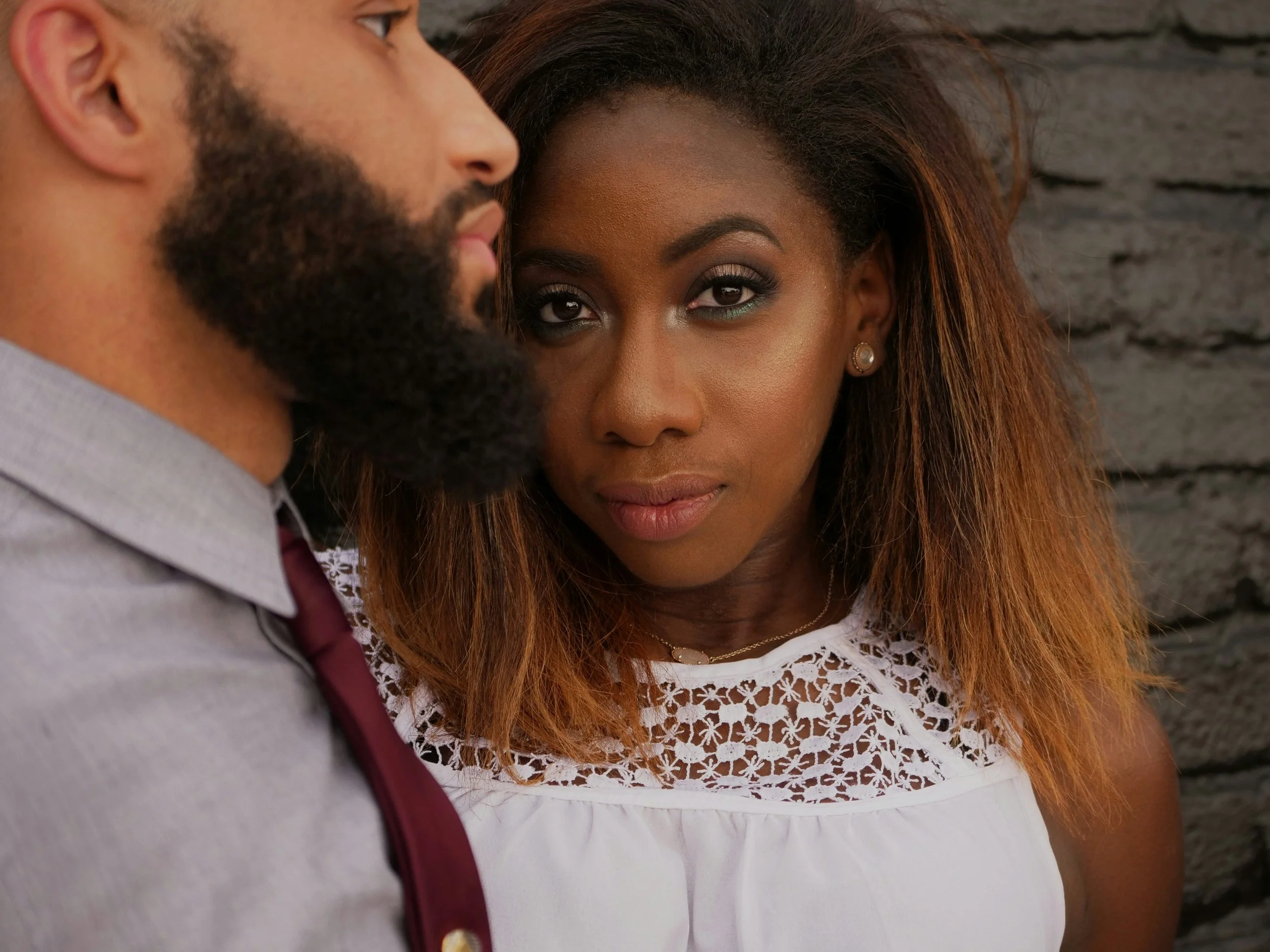
The situationship definition describes a romantic arrangement where two people engage in more-than-friends activities - spending quality time together, being intimate, and maintaining regular contact - without formally committing to a relationship or defining their connection. Unlike friends with benefits, which typically focuses primarily on physical intimacy, or traditional dating, which implies working toward a committed partnership, exploring what is a situationship reveals an undefined middle ground.
What is a situationship in dating? It represents dating without commitment, where both parties enjoy each other's company and may even develop genuine feelings, but avoid conversations about exclusivity, plans, or relationship status. The NHS notes that healthy relationships require clear communication and mutual respect, elements that can be notably absent in undefined arrangements. So what is a situationship really? It's a modern romantic phenomenon.
What is a situationship? The term has only gained widespread recognition in recent years, even though the experience itself isn’t entirely new. What makes it particularly relevant today is how modern dating language has evolved to describe the grey areas of contemporary connections. So, what is a situationship to the people living it? For many, it represents a way to enjoy intimacy and companionship without the expectations or pressures that typically come with a clearly defined, traditional relationship.
The situationship meaning extends beyond simple classification. It encompasses the emotional complexity of caring for someone while maintaining plausible deniability about the depth of that connection. It's sending good morning texts but not discussing where things are headed. It's being each other's plus-one but not using terms like boyfriend or girlfriend. What is a situationship at its core? An emotional paradox.
Often described by relationship experts as a grey area of modern dating, a situationship is characterised by inconsistency — one moment feeling deeply connected, the next wondering where you stand. This instability distinguishes it from both casual arrangements, which typically have clearer boundaries, and committed relationships, which offer security and definition. When people ask what is a situationship, it’s usually this confusion they’re trying to make sense of — because if you step back, what is a situationship if not defined by ongoing uncertainty?
The Rise of Situationships in Gen Z

What is a situationship in the UK? Recent surveys suggest that over 60% of young adults in Britain have found themselves in undefined romantic arrangements at some point. The phenomenon of situationships in Gen Z has become particularly pronounced, with this generation seemingly more comfortable with ambiguity than their predecessors. But what is a situationship to Gen Z specifically?
Several factors contribute to why situationships in Gen Z have become so prevalent. The rise of dating apps has created a culture of infinite options, making some hesitant to commit when the next swipe might reveal someone "better." Economic uncertainty, student debt, and career instability have also made traditional relationship milestones - moving in together, marriage, and children - feel less attainable or desirable for young adults. Many experience dating app fatigue due to the overwhelming, choice-heavy nature of modern digital romance, which directly shapes what is a situationship today—a loosely defined romantic connection that exists in the grey space between casual dating and commitment.
The Office for National Statistics data shows that people in the UK are marrying later than ever before, with the average age for first marriages now in the mid-thirties. This extended period of singlehood has created space for various relationship configurations, including situationships. Understanding what is a situationship becomes crucial in this landscape.
For many in Gen Z, this kind of connection is often framed as a pragmatic response to modern life’s complexities, rather than a failure of commitment. Personal growth, education, and career development frequently take precedence over traditional relationship milestones, reshaping how intimacy is approached and labelled. As Gen Z dating vocabulary evolves to reflect these shifting priorities, the question of what is a situationship has become central to understanding modern romance, normalising arrangements that earlier generations may have found confusing or unsatisfying. Alongside situationships, newer terms like “rizz” have entered the dating lexicon, signalling a broader cultural shift in how attraction and connection are discussed. In this context, what is a situationship becoming is less an exception and more a normalised feature of Gen Z dating culture.
Mental health awareness has also shaped situationships in Gen Z. Many young adults are more conscious of their emotional needs and boundaries than previous generations, yet paradoxically, this awareness sometimes leads them to avoid the vulnerability required for committed relationships. The question "what is a situationship?" thus becomes intertwined with broader questions about emotional availability and fear of intimacy in modern society. What is a situationship revealing about our generation? Perhaps our collective fear of commitment.
Social media adds another layer of complexity. Relationships that aren't clearly defined become difficult to navigate in the public sphere. Do you post photos together? How do you introduce each other? These small uncertainties can create significant anxiety, yet many continue choosing the ambiguity of situationships over the clarity of traditional dating. What is a situationship in the age of social media? A constant source of digital dilemmas.
Types of Situationships
https://unsplash.com/photos/assorted-color-lockers-VLaKsTkmVhk

What is a situationship does not necessarily have one clear cut answer. TJust as there are various relationship types, there are multiple types of situationships, each with distinct characteristics and dynamics. Understanding what is a situationship means recognising these different forms.
1. What is a Situationship: The Transitional Type
This occurs when someone is fresh from a breakup and not ready for commitment. Both parties may acknowledge they're enjoying each other's company while one or both heal from past relationships. What is a situationship of this type? It's often characterised by an expiration date, though this timeline remains unspoken. These arrangements can provide comfort and companionship during vulnerable periods, though they risk someone developing deeper feelings than originally intended. Those starting to date after a breakup often find themselves in these transitional spaces. What is a situationship here? A healing space with unclear boundaries.
2. The Convenience Situationship
These develop when two people enjoy each other's company and physical connection but lack deeper compatibility or shared life goals. Perhaps they're coworkers, neighbours, or friends who've crossed into romantic territory without wanting a full relationship. What is a situationship in this context? It's about meeting immediate needs for intimacy and connection without considering long-term potential. What is a situationship of convenience? Simply put, it's a mutual benefit without future commitment.
3. The One-Sided Situationship
Perhaps the most painful type of situationship, this occurs when one person wants a committed relationship while the other prefers keeping things undefined. The person desiring more commitment often stays, hoping the situation will evolve, while the other maintains the status quo. This dynamic raises important questions about whether someone is truly content or simply settling. Recognising signs they want a committed relationship becomes crucial in these scenarios. What is a situationship when one-sided? Emotional torture for the person wanting more.
4. The Fear-Based Situationship
Both people may genuinely care for each other and even want a relationship, but fear of vulnerability, past trauma, or anxiety about commitment keeps them stuck in undefined territory. What is a situationship born from fear? It's a protective mechanism that ironically creates the very instability and anxiety it seeks to avoid. Developing emotional intelligence helps navigate these complex feelings. What is a situationship driven by fear? A self-fulfilling prophecy of instability.
5. The Open Situationship
Some situationships involve two people who are seeing each other while also dating others. Similar to non-monogamous arrangements but without the clear communication and boundaries that characterise ethical non-monogamy, these arrangements can work if both parties truly want the same thing, though often one person is less comfortable with the arrangement than they admit. What is a situationship that's open? A complicated web without clear rules.
Each type of situationship presents unique challenges and requires honest self-reflection about what you truly want versus what you're willing to accept. The variety of configurations demonstrates that what is a situationship depends significantly on the specific people involved and their individual circumstances.
What is a situationship ultimately? Whatever form your undefined relationship takes.
Signs You're in a Situationship

Wondering "What is considered a situationship?" Here are the telltale signs of a situationship that distinguish it from other romantic arrangements.
1. Lack of Clear Definition
The most obvious indicator: you haven't had "the talk" about what you are to each other. When friends ask about your relationship status, you struggle to provide a straightforward answer. If you find yourself saying "it's complicated" more often than not, you're likely in a situationship. This lack of clarity around labels and terminology is at the heart of how a situationship explained actually unfolds in real life.
2. No Future Planning
Conversations remain firmly rooted in the present. There's no discussion of next month's holiday plans, let alone next year's goals. What is a situationship? It exists in an eternal present tense, where making plans beyond the weekend feels presumptuous or uncomfortable. Even simple coordination, like planning a date during challenging circumstances, feels overly ambitious.
3. Inconsistent Communication
The frequency and depth of communication fluctuate wildly. Some weeks, you're texting constantly; others, you barely hear from them. This inconsistency leaves you perpetually uncertain about where you stand, a hallmark of what situationship means in practice.
4. You Haven't Met Important People
Months pass, yet you haven't met their family, close friends, or coworkers. While not everyone introduces partners quickly, avoiding these integrations after significant time together suggests someone wants to keep the relationship compartmentalised. What is a situationship? Often, it's a connection someone keeps separate from the rest of their life.
5. Physical Intimacy Without Emotional Intimacy
You're physically close but emotionally distant. Deep conversations about feelings, vulnerabilities, or fears remain off-limits. The relationship focuses on enjoyable activities and physical connection while avoiding meaningful emotional depth. Understanding what consent means in these arrangements becomes particularly important.
6. Availability Varies Dramatically
They're enthusiastically present some times, mysteriously unavailable others. This inconsistency extends beyond normal scheduling conflicts to a pattern where their availability seems to depend on their mood or convenience rather than genuine circumstances.
7. Social Media Ambiguity
Your social media presence together is carefully curated or absent. There's an unspoken understanding that you won't post a couple of photos or publicly acknowledge the relationship. This digital ambiguity reflects the broader uncertainty of the arrangement.
8. The "What Are We?" Question Remains Unasked or Unanswered
Either you're afraid to ask where things are heading, or when you've tried broaching the subject, you've received vague, non-committal responses. What is a situationship? It’s typically a romantic or emotional connection that exists without clear labels or commitments-often because one or both people avoid defining the relationship. In many cases, situationships are closely linked to ghosting, as the same lack of clarity and accountability can make it easier for communication to fade or stop altogether.
9. Unmet Emotional Needs
You find yourself wanting more - more time together, more certainty, more emotional support - but don't feel you can ask for it. This gap between what you want and what the situation provides creates ongoing internal tension. Many wonder why we need relationships that feel so uncertain.
Recognising these signs of a situationship is the first step toward deciding whether the arrangement serves you or whether you're settling for less than you deserve.
Situationship vs Dating vs Casual Relationships

Understanding "what is a situationship vs dating" requires examining the distinctions between various romantic arrangements. While these categories can overlap, understanding their defining characteristics helps clarify your own situation.
1. Situationship vs Dating
What is a situationship vs dating? The primary difference lies in intentionality and direction. Dating, even casual dating, typically involves some understanding that you're getting to know each other to determine compatibility and relationship potential. There's an exploratory quality with an acknowledged endpoint: either the connection develops into something more committed or you part ways.
A situationship lacks this forward momentum. Situationship vs dating comparisons reveal that dating involves asking questions about values, goals, and compatibility, while situationships avoid such probing conversations. Dating progresses through recognisable stages, whereas situationships remain static, circling the same undefined territory indefinitely.
When you're dating someone, introducing them to others is natural; in a situationship, these introductions feel awkward because you're unsure how to classify the connection. Traditional dating follows certain social scripts and expectations; situationships exist outside these frameworks, creating their own (often confusing) rules. Dating authentically requires clarity that situationships typically lack.
2. Situationship vs Casual Relationship
What is a situationship? And how does it differ from a casual relationship? Both involve romantic and physical intimacy without traditional commitment, but situationship vs casual relationship dynamics diverge in crucial ways.
Casual relationships typically involve clear communication about boundaries, expectations, and the arrangement's nature. Both parties explicitly agree they're keeping things light and non-exclusive. Setting casual dating boundaries protects both people's well-being and creates healthy parameters.
Situationships, conversely, thrive on ambiguity. The lack of definition isn't a mutually agreed-upon arrangement but rather an absence of clarity that both parties tolerate. In casual relationships, boundaries protect both people's well-being; in situationships, the lack of boundaries creates confusion and often pain.
Someone in a casual relationship can confidently explain their situation to friends: "We're seeing each other casually, nothing serious." Someone in a situationship struggles to articulate what's happening because even they're unsure. This distinction highlights how situationship vs casual relationship dynamics differ fundamentally in transparency and communication.
3. Situationship vs Committed Relationship
The differences here are obvious but worth examining. Committed relationships involve explicit agreement about exclusivity, future-oriented conversations, integrated social circles, and mutual emotional support. Partners in committed relationships use relationship language (boyfriend, girlfriend, partner) and acknowledge their connection publicly. Recognising serious relationship signs helps distinguish commitment from ambiguity.
What is a situationship? It's essentially the opposite: no exclusivity agreement, no future planning, separated social worlds, and inconsistent emotional support. The absence of relationship labels and public acknowledgement keeps the connection indefinite and uncertain.
Committed relationships provide security that allows vulnerability and deeper intimacy. Situationships, lacking this security, often keep both parties emotionally guarded. Someone in a committed relationship can rely on their partner's presence and support; someone in a situationship never quite knows where they stand, particularly during challenging periods.
The situationship vs dating and situationship vs casual relationship comparisons reveal that situationships occupy a unique space characterised primarily by their lack of definition. This ambiguity can feel liberating or suffocating depending on what you truly want from romantic connections.
Are We Just Settling?

This question cuts to the heart what is a situationship and has become such a culturally significant conversation. When we accept romantic arrangements that don't meet our deeper needs for connection, commitment, and security, are we adapting to modern realities or compromising our well-being?
1. The Case That Situationships Are Settling
Many relationship therapists argue that situationships often represent settling, particularly when one person wants more commitment than the arrangement provides. Accepting less than you desire while hoping circumstances will change is textbook settling behaviour. The Relate relationship counselling service emphasises that healthy relationships require mutual understanding and clear communication - elements frequently absent in situationships.
What does situationship mean for your self-worth? Staying in undefined arrangements can reinforce beliefs that you're not worthy of commitment or that your needs for security and clarity are unreasonable. This internal narrative can damage self-esteem over time, creating patterns that extend beyond single relationships.
The opportunity cost is high. Time invested in a situationship that won't progress is time not spent finding a partner who wants what you want. For those desiring committed partnerships, every month in a situationship delays meeting someone aligned with their relationship goals. Recognising serious relationship signs becomes impossible when the relationship remains undefined.
Situationships can also impede personal growth. The emotional energy spent decoding mixed signals, managing anxiety about where you stand, and suppressing needs for clarity leaves less capacity for other aspects of life. The mental toll of constant uncertainty shouldn't be underestimated. Many experience significant dating anxiety in these undefined situations.
Furthermore, accepting a situationship when you want a relationship can stem from fear - fear of being alone, fear of not finding something better, or fear that this is the best you can expect. These fears, while understandable, shouldn't dictate major life decisions about romantic partnerships.
2. The Case That Situationships Aren't Settling
Conversely, some argue that situationships represent authentic responses to modern life rather than settling. Not everyone wants traditional relationship structures, and situationships can provide connection without the perceived constraints of committed partnerships. For those genuinely content with ambiguity and independence, what is a situationship? It's simply an alternative relationship model. Open-minded dating means considering various relationship structures.
Life stages matter. A 24-year-old focused on career development might genuinely prefer a situationship to a relationship requiring significant time and emotional investment. For them, it's not settling but prioritising current goals while still enjoying human connection. The question of what situationship means to a guy or to anyone varies based on individual circumstances and priorities.
Some people have experienced trauma that makes traditional commitment feel threatening. For them, situationships provide a way to maintain connection while working through psychological healing. Rather than settling, they're protecting their mental health while remaining open to intimacy within their current capacity.
Cultural shifts toward individualism and personal autonomy have made some people question whether traditional relationship structures serve contemporary needs. If someone questions whether marriage and monogamy align with their values, exploring alternative arrangements isn't settling - it's authentic self-expression. Looking beyond Western dating norms, Japanese life philosophies can provide a useful lens for understanding relationships in a calmer, more intentional way.
Additionally, accepting a situationship with full awareness and clear-eyed understanding differs from staying despite unmet needs. If both parties genuinely want the same thing and communicate openly about their arrangement, it can be a conscious choice rather than settling. This might coincide with cuffing season dynamics where temporary companionship feels appropriate.
3. Finding Your Answer
Whether you're settling depends on honest self-reflection. Ask yourself: Do I genuinely want this arrangement, or am I accepting it because I fear asking for more? Am I hoping this will evolve into something different, or am I content with things as they are? Do I feel secure and valued, or perpetually anxious and uncertain?
The key distinction lies between choosing a situationship because it aligns with your current needs versus accepting one despite wanting something different. Only you can determine which applies to your situation. Engaging in authentic dating can offer perspective by helping you better understand your experiences, emotions, and expectations in context.
The Psychology Behind Situationships

Understanding what is a situationship requires exploring the psychological factors that create and sustain these arrangements. Multiple psychological theories help explain why situationships have become so prevalent.
1. Attachment Theory
Attachment styles, developed in early childhood, profoundly influence adult romantic relationships. People with anxious attachment often find themselves in one-sided situationships, staying despite unmet needs for reassurance and commitment. Their fear of abandonment makes them accept less than they desire rather than risk losing the connection entirely.
Those with avoidant attachment styles may prefer situationships because the lack of definition reduces perceived threats to their autonomy. The ambiguity provides emotional distance while still allowing connection, aligning with their discomfort with intimacy and vulnerability.
Interestingly, what is a situationship is often the collision of incompatible attachment styles - anxious meets avoidant in a dynamic that perpetuates itself without resolution. The anxiously attached person pursues clarity while the avoidantly attached person withdraws, creating a frustrating push-pull dynamic.
2. Fear of Vulnerability
Brené Brown's research on vulnerability illuminates why many avoid defining relationships. Genuine intimacy requires vulnerability - showing your true self, expressing needs, and risking rejection. Situationships allow connection while minimising vulnerability. By avoiding conversations about feelings and plans, participants protect themselves from potential hurt.
What does situationship mean psychologically? It's often a defence mechanism. If you never fully invest or clearly define the relationship, you can't be fully rejected. This emotional hedging provides the illusion of protection while creating the very uncertainty that causes distress.
3. Analysis Paralysis and Decision Fatigue
Modern dating's overwhelming choices create paradoxical outcomes. With countless potential partners available through apps, some people struggle to commit, perpetually wondering if someone better might be around the corner. What is a situationship? Sometimes it's the result of decision paralysis - unable to fully commit but unwilling to walk away.
The cognitive load of constantly evaluating options and making relationship decisions leads some to avoid decisions altogether. A situationship requires fewer decisions than a committed relationship, offering a path of least resistance that appeals to decision-fatigued individuals navigating modern life.
4. Societal Shifts and Individualism
Contemporary Western culture increasingly emphasises individual fulfilment, personal growth, and autonomy. Traditional relationships can feel constraining to those internalising these values. What is a situationship? For some, it's an attempt to balance human needs for connection with cultural messages prioritising independence and self-actualisation.
The delayed life milestones that characterised previous generations - marriage, homeownership, parenthood - have shifted dramatically. Without these traditional markers, people create their own relationship structures, including situationships that don't follow historical templates. The British Psychological Society offers insights into how modern relationships differ from traditional models.
5. Trauma and Past Relationship Wounds
Previous relationship trauma significantly influences willingness to commit. Someone repeatedly hurt in past relationships might choose a situationship as a harm-reduction strategy. What does situationship mean to someone with relationship trauma? It's often a compromise between isolation and vulnerability, allowing some connection while maintaining protective emotional distance.
The question of what the rules of situationship are remains largely unaddressed because establishing rules requires the vulnerability these arrangements often seek to avoid. The psychology behind situationships reveals complex interplays between individual histories, attachment patterns, and broader societal trends.
Moving Forward: Making Conscious Choices

Whether you're currently in a situationship or hoping to avoid one, making conscious, informed choices about romantic connections serves your long-term wellbeing.
1. Clarifying Your Needs
The first step toward healthier relationships involves honest self-assessment. What do you genuinely want from romantic connections? Do you desire commitment, or do you prefer flexibility? Are you comfortable with ambiguity, or does uncertainty create anxiety? Dating authentically depends on understanding your authentic needs.
Write down your non-negotiables - the elements you must have in romantic connections to feel fulfilled. Then list your preferences - nice-to-haves but not dealbreakers. This clarity helps you recognise when situations don't align with your needs.
2. Communicating Boundaries
Once you understand your needs, communicate them clearly. If you want a relationship definition after a certain timeframe, express this. If you prefer keeping things casual, be explicit about that too. Healthy relationships require clear communication regardless of their structure.
Many fear that expressing needs will drive potential partners away. While this sometimes happens, it's ultimately beneficial. Someone who can't meet your fundamental needs isn't right for you anyway. Better to discover this early than years into an unfulfilling situationship.
3. Recognising When to Walk Away
Sometimes the healthiest choice is ending a situationship that doesn't serve you. If you've communicated your needs and they remain unmet, or if someone explicitly states they can't offer what you want, believe them. Hoping someone will change rarely yields positive results and often prolongs dissatisfaction.
Walking away from a situationship that provides some comfort, companionship, and intimacy requires courage, especially when you're unsure what comes next. However, ending unfulfilling situations creates space for connections aligned with your authentic desires.
4. Embracing Alternative Relationship Structures
If traditional committed relationships don't appeal to you, embrace this honestly rather than defaulting to ambiguous situationships. Explore ethical non-monogamy, intentional casual relationships with clear boundaries, or other alternative structures that provide the autonomy you value while maintaining integrity and clear communication.
The difference between healthy alternative relationships and situationships lies in intentionality, communication, and mutual understanding. Any relationship structure can work if both parties genuinely want the same thing and communicate openly.
5. Seeking Professional Support
If you repeatedly find yourself in situationships despite wanting committed relationships, therapy can help identify underlying patterns. The Mental Health Foundation provides resources for those struggling with relationship patterns. A therapist can help you explore attachment styles, heal relationship trauma, and develop healthier relationship patterns. There's no shame in seeking support for navigating modern relationship complexities.
6. Understanding Modern Dating Realities
Familiarising yourself with modern dating dynamics, common pitfalls, and communication strategies helps navigate today's relationship landscape more successfully.What is a situationship? Ultimately, it's what you make of it. With self-awareness, clear communication, and genuine alignment between partners' desires, even ambiguous arrangements can serve specific needs. Without these elements, situationships often cause more harm than good. The power to choose consciously lies with you.
Key Takeaways

What is a situationship? A romantic arrangement between casual dating and committed relationships, characterised by ambiguity and lack of clear definition.
Situationships in Gen Z have become increasingly common, reflecting broader cultural shifts around commitment, individualism, and economic uncertainty.
Various types of situationships exist, including transitional, convenience-based, one-sided, fear-based, and open arrangements, each with distinct dynamics.
Signs of a situationship include a lack of clear definition, no future planning, inconsistent communication, and avoided conversations about relationship status.
Situationship vs dating comparisons reveal that dating involves intentionality and forward momentum, while situationships remain static and undefined.
Whether situationships represent settling depends on individual circumstances, with the key distinction being whether you're choosing the arrangement or accepting it despite wanting something different.
Psychological factors, including attachment styles, fear of vulnerability, and relationship trauma, help explain why situationships develop and persist.
Making conscious choices about relationships requires self-awareness, clear communication, established boundaries, and a willingness to walk away from arrangements that don't serve your needs.
Alternative relationship structures can work well when both parties genuinely want the same thing and communicate openly, distinguishing them from ambiguous situationships.
Understanding modern dating terms, recognising your patterns, and seeking support when needed help navigate contemporary relationship landscapes more successfully.
FAQs
-
It's the same phenomenon occurring globally: a romantic connection between two people that involves regular contact, physical intimacy, and emotional connection without formal commitment or relationship labels. In the UK, like elsewhere, situationships have become increasingly common among young adults navigating modern dating. However, the fundamental characteristics remain consistent across cultures.
-
A situationship typically involves several key elements: regular communication and time spent together, physical intimacy, emotional connection to varying degrees, lack of clear relationship definition or labels, absence of explicit commitment or exclusivity agreements, and avoidance of conversations about the relationship's direction or future. If you're seeing someone regularly, feel connected to them, but haven't defined what you are to each other or discussed where things are heading, you're likely in a situationship. The defining feature is the intentional or unintentional maintenance of ambiguity around the relationship's status.
-
What Brits call their romantic partners varies by age, region, and relationship seriousness. Common terms include "partner," which has become increasingly popular as a gender-neutral option suitable for various relationship stages; "boyfriend" or "girlfriend" for committed relationships; "other half," a colloquial British term for serious partners; and "lover," though this term is less commonly used in contemporary British English and can sound dated or overly formal. Notably, people in situationships struggle with these terms precisely because their connection remains undefined. They might awkwardly refer to the person as "someone I'm seeing" or "this person I've been hanging out with," reflecting the ambiguous nature of their arrangement.
-
What is a situationship compared to dating? Situationships and dating differ primarily in intentionality and progression. Dating, even casual dating, involves exploring compatibility with some acknowledgement that the connection will either develop into something more committed or conclude. Dating progresses through recognisable stages and typically involves introducing partners to friends and family, discussing values and life goals, and making plans for the near future. Situationships, conversely, remain static without clear progression or definition. They avoid deeper conversations about compatibility, plans, or relationship status. While dating has an exploratory quality with an acknowledged endpoint, situationships exist in perpetual ambiguity without a clear direction or timeline for resolution.
-
What is a situationship's typical duration? There's no standard timeline, as situationships can last anywhere from a few weeks to several years. However, most relationship experts suggest that situationships lasting beyond three to six months warrant serious evaluation about whether the arrangement serves both parties. Extended situationships often indicate that one or both people fear commitment, avoid difficult conversations, or haven't clearly communicated their needs and expectations. Some situationships resolve relatively quickly when one person requests clarity and the other either commits or ends things. Others persist for months or years, particularly when both parties remain content with ambiguity or when one person hopes the situation will eventually evolve into a committed relationship. The duration often correlates with how much emotional investment exists and whether anyone advocates for a clearer definition.