Why We Ghost: The Psychology Behind Disappearing Acts (Understanding Ghosting Psychology)

Table of Contents
What Is Ghosting Psychology?
The Psychology of Ghosting: Understanding the Disappearing Act
Why People Ghost: The Core Psychological Drivers
The Impact of Ghosting in a Relationship
How to Respond When Someone Ghosts You
Dealing With Being Ghosted: A Recovery Guide
FAQs
Key Takeaways
TL;DR / Introduction

Ghosting psychology explores why people suddenly cut off communication and how this silent exit affects those on the receiving end. At its core, ghosting often stems from avoidance of conflict, vulnerability, emotional discomfort, or responsibility. For the person who was ghosted, the experience can trigger confusion, self-doubt, and a sense of unresolved emotional tension. This guide breaks down the key psychological drivers behind ghosting, its emotional impact, and practical steps for responding, recovering, and moving forward with clarity and confidence.
What Is Ghosting Psychology?

Ghosting psychology refers to the psychological mechanisms, motivations, and impacts associated with suddenly ending all communication with someone without explanation or warning. This modern phenomenon has become increasingly prevalent in our digital age, affecting romantic relationships, friendships, and even professional connections.
What is ghosting psychology exactly? It encompasses both the mental processes that lead someone to ghost another person and the psychological effects experienced by those who have been ghosted. Understanding ghosting psychology requires examining the complex interplay between emotional avoidance, digital communication norms, and contemporary relationship dynamics.
Ghosting psychology has become a critical area of study for relationship experts and mental health professionals who seek to understand why this behaviour has become so commonplace and what it reveals about our current communication patterns.
The Psychology of Ghosting: Understanding the Disappearing Act (+ What Ghosting Psychology Reveals)

The psychology of ghosting reveals uncomfortable truths about human behaviour in the digital era. When we examine ghosting psychology, we discover it's rarely about the person being ghosted - it's almost always about the ghoster's internal struggles.
The Convenience Factor

Ghosting psychology shows us that technology has made disappearing remarkably easy. Dating apps and social media platforms allow people to disconnect with a simple block or unmatch, eliminating the need for difficult conversations. This ease of exit has fundamentally changed how people handle relationship ghosting.
When exploring the psychology of ghosting, researchers have found that approximately 25% of men and women report having been ghosted in a romantic relationship, whilst 22% admit to having ghosted someone else. These statistics highlight how normalised ghosting psychology has become in contemporary dating culture.
The Avoidance Pattern

At its core, ghosting psychology is deeply rooted in emotional avoidance. People who engage in relationship ghosting typically struggle with confrontation and the emotional labour required for honest communication. The psychology of ghosting demonstrates how individuals prioritise their own comfort over another person's need for closure.
Ghosting psychology research indicates that ghosters often exhibit self-centred personality traits and avoidance coping strategy patterns. They rationalise their disappearance as compassionate, convincing themselves that vanishing causes less harm than a difficult conversation - a clear manifestation of cognitive dissonance.
In some scenarios, open-minded dating approaches can help prevent ghosting through clearer communication expectations from the start.
Why People Ghost: The Core Psychological Drivers
Understanding ghosting psychology requires examining the specific drivers that lead to this behaviour. The psychology of ghosting reveals several key motivations:
1. Fear of Confrontation

Fear of confrontation sits at the heart of ghosting psychology. Many people who engage in relationship ghosting would rather disappear than face an uncomfortable conversation. This fear of confrontation stems from anxiety about causing hurt, managing conflict, or dealing with emotional reactions.
A 2023 poll by the Thriving Centre found that among Gen Z and Millennials who ghosted, many said it was because they weren’t interested (64%), while around one in three (31%) said their own mental health struggles - such as anxiety, overwhelm, or burnout - made communication feel too difficult. In other words, the issue wasn’t the other person, but the ghoster’s limited emotional capacity at the time.
This helps illustrate a key point in ghosting psychology: when someone disappears, it often reflects their internal state, not your worth or the quality of the connection.
2. Emotional Avoidance and Communication Anxiety

Emotional avoidance represents a cornerstone of ghosting psychology. People who ghost frequently struggle with communication anxiety - the stress and discomfort associated with expressing difficult emotions or delivering unwanted news.
The psychology of ghosting reveals that emotional avoidance serves as a protective mechanism for the ghoster, shielding them from guilt, responsibility, and the emotional labour of empathy. However, this avoidance coping strategy ultimately causes more harm than the honest conversation they feared.
Communication anxiety within ghosting psychology manifests as a paralysing worry about finding the right words, predicting the other person's reaction, or managing one's own emotional response during a breakup conversation. This anxiety drives the decision to simply disappear.
3. Decision Fatigue in the Digital Dating Era
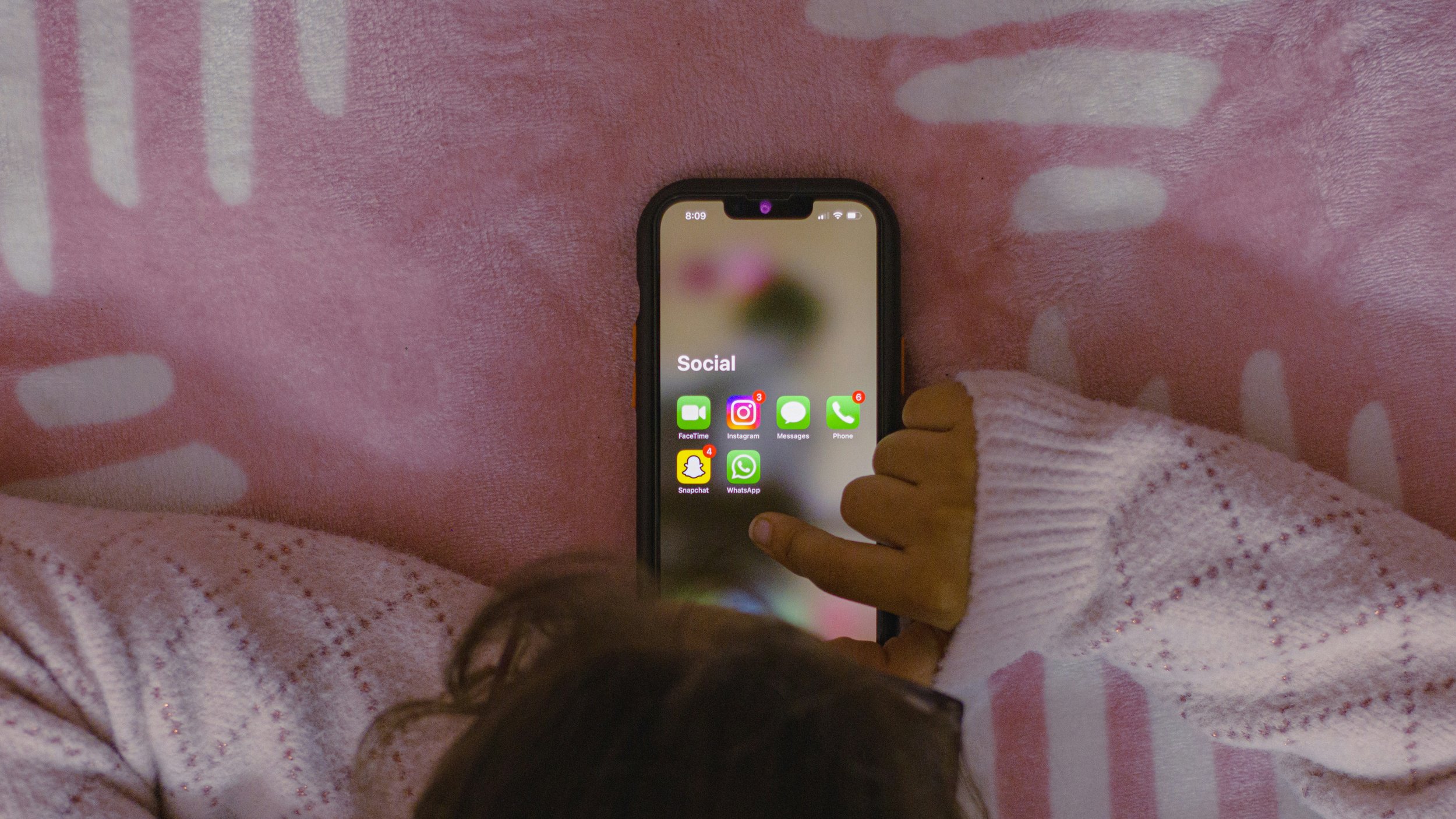
Ghosting psychology must be understood within the context of modern dating apps, which present users with seemingly endless options. This abundance creates decision fatigue, making each individual seem more disposable. The psychology of ghosting shows how digital platforms have fundamentally altered how people value connections.
When someone can swipe through hundreds of potential matches, relationship ghosting becomes easier to justify. Ghosting psychology research indicates that online relationships with few mutual social connections are particularly vulnerable, as ghosters perceive fewer social consequences for their disappearance.
If you're navigating the complexities of casual dating, understanding these psychological patterns can help you establish clearer expectations and boundaries.
4. Destiny Beliefs and Soulmate Culture

The psychology of ghosting is influenced by cultural narratives about "the one" and beliefs about destiny. Studies exploring ghosting psychology suggest that people who strongly believe in soulmates are more likely to view disappearing from a relationship as acceptable behaviour, a pattern highlighted Psychology Today UK’s analysis of ghosting and romantic mindset shifts.
This aspect of ghosting psychology demonstrates how romantic ideals can justify harmful behaviour. When someone views relationships through a destiny lens, relationship ghosting becomes rationalised as simply moving toward their "true" match rather than acknowledging it as abandonment.
5. Self-Protection and Past Trauma

Not all ghosting psychology stems from selfishness or cowardice. Sometimes, ghosting in a relationship occurs as a form of self-protection. People with histories of emotional abuse, manipulation, or trauma may employ ghosting psychology as a safety mechanism.
The psychology of ghosting acknowledges that in certain situations - when someone displays dangerous anger, violates boundaries, or exhibits manipulative dark triad traits - disappearing without explanation may be necessary for personal safety. This represents a legitimate use of emotional avoidance as self-preservation.
6. Depression and Self-Isolation

Ghosting psychology research shows that while the mental health toll is most studied in ghosted individuals, motivations for ghosting can vary - and some may ghost to avoid emotional discomfort or difficult conversations rather than being unbothered. People experiencing depression, suicidal ideation, or addiction relapse may withdraw from all relationships, not just romantic ones. In these cases, the psychology of ghosting reflects self-isolation rather than deliberate rejection.
Understanding this dimension of ghosting psychology is crucial because it reminds us that not every disappearance is personal or malicious. However, this doesn't diminish the pain experienced by those left without explanation.
7. Cultural Normalisation and the "Abundance Mindset"

Perhaps one of the most significant factors in ghosting psychology today is that the behaviour has become culturally normalised within modern dating. While the personality traits and avoidance patterns discussed above certainly play a role, the reality is that many people ghost simply because it's become an accepted part of dating culture - not necessarily because they possess problematic personality traits.
Research on communication and breakups has linked ghosting to the emergence of technology and online apps, which have increased access to people while decreasing the consequences of avoiding difficult interactions. The psychology of ghosting shows that when someone meets a new person or decides to pursue an exclusive relationship with someone else, ghosting those they were casually dating has become the default rather than the exception.
This aspect of ghosting psychology reveals an uncomfortable truth: with approximately 76% of people claiming to have been ghosted, the behaviour has become so widespread that many view it as normal relationship etiquette, particularly in the early stages of dating. On dating apps, people often accumulate dozens of matches, and when one connection becomes more serious, they may simply forget about or ignore the others.
The psychology of ghosting in this context isn't necessarily driven by malice or deep-seated avoidance issues - it's driven by convenience, abundance, and a cultural shift in what's considered acceptable behaviour. The behaviour is further normalised by societal shifts towards casual dating which reduces emotional accountability. When everyone is doing it, and when digital platforms make it effortless to disconnect, ghosting becomes rationalised as simply "how dating works now."
However, this normalisation doesn't make the behaviour less harmful. The psychology of ghosting demonstrates that even when culturally accepted, relationship ghosting still causes significant emotional distress for those on the receiving end. Understanding this cultural dimension helps us recognise that whilst some ghosters may struggle with deep psychological issues, others are simply operating within a dating culture that has deprioritised emotional accountability and direct communication.
Whether setting clear boundaries early in a relationship can actually reduce the chances of ghosting is something needs to be explored.
The Impact of Ghosting in a Relationship
Ghosting in a relationship creates profound psychological effects for those on the receiving end. Ghosting psychology research show that being ghosted can feel more emotionally exhausting than a direct breakup - partly because of how much mental space the ambiguity occupies.
The Ambiguity Trap

Relationship ghosting creates a uniquely painful form of ambiguity. Unlike a clear breakup, ghosting in a relationship leaves people questioning whether the relationship is truly over or if something else explains the silence. This uncertainty, central to ghosting psychology, triggers intense emotional dysregulation.
The person who experiences ghosting in a relationship is often left grappling with uncertainty - wondering whether they did something wrong, whether the other person lost interest, or if something unexpected has happened. They may check social media obsessively, send multiple unanswered messages, and replay every interaction searching for clues. Ghosting psychology shows how this ambiguity can be more distressing than rejection itself.
Emotional and Psychological Consequences

The psychology of ghosting reveals severe emotional impacts on victims:
Feelings of worthlessness: research links ghosting to profound self-doubt and lowered self-esteem, often compounding distress in those who’ve been ghosted.
Ostracism and social rejection: Mental health professionals recognise ghosting as a form of social exclusion that can cause emotional pain comparable to physical injury, with UK-based commentary noting that the brain treats silence and rejection in very similar ways.
Loss of control: The lack of closure in ghosting can contribute to emotional dysregulation and a diminished sense of agency, with studies linking it to paranoia, depressive symptoms, and ambiguous loss.
Trust issues: Research further suggests that experiencing ghosting can make people more anxious, guarded, and hesitant to trust in future relationships - partly because of the paranoia and lack of closure it often leaves behind.
Some mental health professionals in the UK argue that ghosting can be a passive-aggressive form of emotional abuse, similar to the silent treatment or stonewalling - a relational aggression that manipulates and silences the other person.
If you’ve been ghosted while trying to date again after a breakup, the emotional impact can feel even heavier because past relationship wounds are still healing.
The Gender Dimension

Interestingly, a 2023 UK survey of online daters found that 19.2% of women and 17.45% of men reported having ghosted someone - a small gender gap, though the study does not report whether the difference was statistically significant. This finding challenges common assumptions about who is more likely to ghost, suggesting that ghosting behaviour is relatively consistent across age groups, with only slight gender differences reported.
The Disconnect in Intentions

Ghosters often believe they’re avoiding causing direct emotional pain, but ghostees significantly underestimate how much the ghoster actually cares - a tension rooted in ghosting psychology. UK research and expert commentary highlight this communication breakdown:
A Psychology Today UK article explains that ghosters rate themselves as caring more about the other person’s feelings than ghostees believe.
According to a University of Brighton study, some people ghost not out of malice, but as a form of self-protection or conflict avoidance - suggesting motives are more complex than simply “not caring.”
As Oxford CBT notes, ghosting can feel like emotional betrayal; the ghoster may not be thinking about the hurt they’re causing, focusing instead on avoiding confrontation.
How to Respond When Someone Ghosts You
Ghosting psychology offers insights into the most effective ways to respond when you've been ghosted. Understanding the psychology of ghosting can help you navigate the experience with more clarity - for some, it’s deeply distressing, while for others, especially in more casual or less emotionally-invested connections, the impact may feel less severe.
A recent study by the University of Brighton links ghosting with depression and paranoia, particularly among younger adults. According to Oxford CBT, while ghosting can “shatter self-esteem,” they also note people may become desensitised to it as it normalises in today’s dating culture.
Assess the Relationship Context

Ghosting psychology suggests that your response should depend on the relationship's depth and duration. If someone disappears after one or two dates, relationship ghosting at this stage, whilst still hurtful, may not warrant extensive follow-up. The psychology of ghosting shows that early-stage ghosting often reflects minimal investment rather than personal rejection.
However, if ghosting in a relationship occurs after months of connection, a message requesting honesty may be appropriate. Keep it direct and brief: "I notice you haven't responded to my messages. I'd appreciate knowing if you'd like to continue this relationship or if you'd prefer to move on."
The "One Message" Rule

Many relationship experts actually advise limiting it to a single text - not because a reply is owed, but so you can move on with self-respect and emotional boundaries. This approach acknowledges your need for closure whilst respecting your dignity. The psychology of ghosting shows that multiple attempts to contact someone who's disappeared usually increase your distress without changing the outcome.
Your message might be: "I've enjoyed getting to know you, but I sense you're no longer interested. I wish you well." This demonstrates maturity whilst giving the ghoster a final opportunity to respond.
Resist the Urge to Overthink

Ghosting psychology research shows that being ghosted often triggers over-analysis and rumination, as people struggle with uncertainty and replay past conversations in their mind. Remember that the psychology of ghosting shows this behaviour reflects the ghoster's issues with emotional avoidance, fear of confrontation, and communication anxiety - not your worth as a person.
When relationship ghosting happens, resist the temptation to endlessly review conversations or scrutinise social media for clues. This rumination, common in ghosting psychology, prolongs your pain without providing answers.
Different relationship structures - such as non-monogamous arrangements that emphasise explicit communication - approach endings and expectations differently.
Don't Wait for Closure

Psychological research on ghosting suggests that the most reliable form of closure often comes from your own reflections rather than from the person who disappeared. The ghoster has already provided their answer through silence. Waiting for an explanation that may never come keeps you emotionally tethered to someone who has chosen to leave.
Ghosting psychology research shows that people who successfully recover from relationship ghosting are those who create their own closure rather than depending on the ghoster to provide it.
Dealing With Being Ghosted: A Recovery Guide
Ghosting psychology provides evidence-based recovery strategies - experts suggest practices like self-care, therapy, and emotional reflection to help rebuild well-being after being ghosted.
Validate Your Feelings

Ghosting psychology shows that feelings like hurt, confusion, or anger are common and understandable responses when someone suddenly withdraws contact. Don't minimise your pain because others suggest you "should be over it."
Allow yourself to feel disappointed, betrayed, or sad. Ghosting psychology shows that suppressing emotions prolongs healing. Give yourself permission to grieve the relationship and the future you had imagined.
Practice Self-Compassion

Ghosting in a relationship often triggers harsh self-judgment. Ghosting psychology emphasises the importance of self-compassion during recovery. Remind yourself that experiencing relationship ghosting doesn't reflect your value or desirability.
Combat negative self-talk by recognising that the psychology of ghosting reveals this behaviour as the ghoster's avoidance coping strategy, not evidence of your inadequacy. Treat yourself with the kindness you'd offer a friend in the same situation.
Implement Self-Care Strategies

Ghosting psychology research emphasises the importance of self-care after experiencing relationship ghosting:
Maintain routine: Keep regular sleep schedules and healthy eating patterns
Physical activity: Exercise releases endorphins that counteract the stress of ghosting in a relationship
Social connection: Spend time with supportive friends and family
Engage in enjoyable activities: Pursue hobbies and interests that bring you joy
Limit social media: Reduce the temptation to monitor the ghoster's online activity, which ghosting psychology shows prolongs healing.
If you’re part of the LGBTQ+ community and using dating apps, you may encounter dynamics that differ from mainstream platforms, so understanding them can make the experience smoother.
Set Boundaries for Future Relationships

The psychology of ghosting can inform healthier relationship patterns moving forward. Use this experience to establish clearer boundaries in casual dating from the beginning. Communicate your expectations about communication frequency and honesty.
Ghosting psychology suggests that being clear about your needs and expectations early on - and practising open communication - might help reduce your vulnerability to being ghosted, even though it can’t eliminate the risk. Clarifying boundaries helps address the avoidance tendencies some ghosters express.
Seek Professional Support

If ghosting in a relationship leaves you feeling overwhelmed - whether through anxiety, low mood, or difficulty coping - it may be helpful to speak with a mental health professional who can offer support and perspective. Mental health professionals can help you process the experience and address any underlying attachment issues or self-esteem concerns that relationship ghosting may have activated.
In the UK, you can access support through NHS mental health services
Understand When to Ignore a Ghoster

Ghosting psychology addresses a common question: what happens when you ignore a ghoster who returns? Sometimes ghosters reappear with apologies, explanations, or casual messages as if nothing happened. The psychology of ghosting suggests evaluating their motivations carefully.
Are they genuinely remorseful and willing to acknowledge the harm caused by their emotional avoidance? Or are they simply bored, lonely, or seeking validation? Ghosting psychology research indicates that ghosters who don't acknowledge their behaviour or its impact are likely to repeat the pattern.
Ignoring a returning ghoster sends a clear message that relationship ghosting has consequences and that you value yourself too highly to accept that treatment. The psychology of ghosting shows that setting this boundary protects your emotional well-being and may actually help the ghoster recognise the impact of their actions.
FAQs
-
Ghosting psychology reveals that people ghost primarily due to emotional avoidance, fear of confrontation, and communication anxiety. The psychology of ghosting shows that ghosters typically prioritise their own comfort over the other person's need for closure. They often exhibit avoidance coping strategy patterns, convincing themselves that disappearing causes less harm than an honest conversation. Research on ghosting psychology indicates that this behaviour reflects self-centred traits, difficulty managing uncomfortable emotions, and sometimes past trauma or mental health struggles like depression.
-
Insights from ghosting psychology highlight the value of responding in a calm and self-assured way. Send one clear, brief message acknowledging the situation: "I notice we haven't been in touch. I'd appreciate knowing if you'd like to continue this or if you'd prefer to move on." Avoid sending repeated follow-up messages - research on ghosting psychology indicates that additional outreach seldom alters the outcome. Focus on creating your own closure rather than waiting for an explanation. If the relationship ghosting occurred after a significant time together, your message is warranted; if after only one or two dates, ghosting psychology suggests moving on without contact may be healthier.
-
Ghosting psychology offers several evidence-based healing strategies - UK experts highlight self-care, boundary-setting, emotional reflection, and counselling as key steps to recovery. First, acknowledge whatever you're feeling - ghosting psychology research shows that emotional reactions to sudden silence are common and understandable. Practice self-compassion and remind yourself that ghosting in a relationship reflects the ghoster's issues with emotional avoidance, not your worth. Prioritise self-care by keeping to your daily routines, staying physically active, spending time with supportive people, and giving yourself distance from behaviours like repeatedly checking your social media. Create your own closure instead of waiting for the ghoster to provide it. Suppose the emotional impact of ghosting feels overwhelming or begins affecting your daily life. In that case, it may help to speak with a therapist or access NHS mental health services for additional support.
-
Ghosting psychology suggests that ignoring a returning ghoster can be empowering and protective. When someone who engaged in relationship ghosting reappears, the psychology of ghosting indicates they're often seeking validation, relief from boredom, or testing whether you're still available. By ignoring them, you establish that ghosting in a relationship has consequences and that you won't accept disrespectful treatment. This boundary protects your emotional well-being and may help the ghoster understand the impact of their emotional avoidance behaviour. However, ghosting psychology acknowledges that if the person offers a genuine apology and acknowledgement of harm, you might choose to hear them out - though you're under no obligation to do so.
-
Ghosting psychology research reveals several personality patterns common among ghosters. The psychology of ghosting shows these individuals typically exhibit self-centred, avoidant, and sometimes manipulative traits. They struggle with fear of confrontation and communication anxiety, preferring emotional avoidance over honest dialogue. People who believe in destiny and soulmate narratives are more likely to engage in relationship ghosting, as they rationalise their behaviour as moving toward their "true" match. Ghosting psychology also notes that individuals with anxious attachment styles, past trauma, or current mental health struggles like depression may ghost as a form of self-protection or self-isolation. Importantly, the psychology of ghosting shows that ghosters often use avoidance coping strategy patterns across various life areas, not just in relationships.
Key Takeaways

Understanding ghosting psychology is essential for navigating modern relationships with greater awareness and resilience. Here are the crucial insights from the psychology of ghosting:
Ghosting psychology reveals that this behaviour primarily reflects the ghoster's struggles with emotional avoidance, fear of confrontation, and communication anxiety rather than the ghostee's worth or desirability
The psychology of ghosting shows that approximately 25% of people have experienced relationship ghosting, making it a widespread modern phenomenon influenced by digital communication platforms and dating apps.
People who engage in ghosting in a relationship often exhibit self-centred personality traits and use avoidance coping strategy patterns to escape uncomfortable emotions and difficult conversations.
Relationship ghosting creates profound psychological impacts, including feelings of ostracism, social rejection, emotional dysregulation, and loss of control - effects that mental health professionals sometimes classify as emotional abuse.
Ghosting psychology research indicates a disconnect between ghosters' intentions (often believing they're avoiding causing pain) and the actual impact on ghostees (experiencing significant emotional trauma and confusion)
When someone ghosts you, the psychology of ghosting recommends sending one dignified message, then focusing on self-created closure rather than waiting for an explanation that may never come.
Recovery from ghosting in a relationship requires self-compassion, self-care practices, social support, and sometimes professional help, particularly if the experience triggers severe anxiety or depression.
Setting clear boundaries and communication expectations in future relationships, including understanding how to set boundaries in a relationship, may reduce vulnerability to relationship ghosting, though it cannot eliminate the risk.
Ghosting psychology acknowledges that sometimes disappearing is necessary for safety when someone exhibits dangerous behaviour, manipulation, or boundary violations.
Understanding the psychology of ghosting empowers you to recognise that this painful experience, whilst valid and hurtful, doesn't define your value and is ultimately more reflective of the ghoster's emotional limitations than your inadequacies.