What Japanese Life Philosophy Can Teach Us About Dating

Modern dating often feels intense, hurried, and oddly exhausting. We are encouraged to define ourselves quickly, optimise our profiles, and move on at speed if something doesn't "work." Yet despite all this activity, many people report feeling anxious, disconnected, or unsure about what they are actually doing. Understanding Japanese life philosophy can offer a refreshing perspective on these modern challenges.

At BARE, we approach dating not as a problem to be solved, but as a human experience shaped by psychology, culture, and the conditions in which connection takes place. Looking beyond dating culture itself can sometimes offer a helpful lens. Japanese life philosophy, a collection of principles rooted in everyday living rather than romance, offers ways of thinking about progress, meaning, and attention that feel unexpectedly relevant to modern dating.
Rather than offering rules about love, Japanese philosophy focuses on how we move through life, how we relate to uncertainty, effort, imperfection, and purpose. When applied to mindful dating, these ideas can gently shift how we approach connection - much like how authentic dating encourages us to show up as ourselves.
Kaizen Philosophy (改善): Small, Continuous Change

The kaizen philosophy is a Japanese life philosophy principle centred on small, continuous improvement in everyday life. Research in psychology shows that behaviour change often unfolds through small, consistent actions rather than one-off intense efforts, a principle reflected in models like the Health Action Process Approach, which emphasises gradual, sustained steps toward change rather than sudden leaps.

When applied to dating, kaizen philosophy challenges the expectation that connection should be immediate. Many people feel pressure to experience a spark straight away, to know quickly whether someone is "right," or to move on if certainty does not appear. This pressure often contributes to dating anxiety in modern relationships.
Kaizen philosophy suggests a different rhythm. Relationships, even casual or exploratory ones, often deepen through small, repeated moments: a conversation that unfolds, a second meeting that feels easier, a growing sense of familiarity. Understanding the stages of falling in love helps us appreciate this gradual process. In this sense, the kaizen philosophy supports a more patient, mindful dating approach, where progress is allowed to be gradual.
At BARE, we think of dating as something that develops through presence rather than performance. Applying kaizen philosophy to dating legitimises slowness in a culture that often rushes intimacy - an approach that aligns with setting casual dating boundaries.
Shoshin Philosophy (初心): Beginner’s Mind

The shoshin philosophy refers to "beginner's mind": approaching life with openness rather than assumption. It is about remaining receptive, even when we feel experienced or certain. This aspect of Japanese life philosophy proves particularly valuable in dating contexts.
When applied to dating, this can be difficult to sustain. Previous experiences of disappointment or repetition easily turn into certainty: I know how this goes. Yet certainty often closes down curiosity. Research in personality psychology suggests that traits such as openness to experience - a willingness to explore new ideas and experiences - are associated with greater adaptability and engagement in relationships, which can support positive relational dynamics.

A beginner's mind invites people to meet each encounter as its own event, rather than as a replay of the past. It does not mean ignoring what one has learned, but allowing space for difference to appear. Shoshin philosophy supports mindful dating by making room for curiosity instead of prediction. This openness is essential when starting to date after a breakup.

BARE's approach to limited information and gentle pacing supports this stance. When over-definition is reduced early on, curiosity has room to emerge. This Japanese life philosophy encourages an open-minded dating approach.
Philosophy of Kintsugi (金継ぎ): The Art of Repair

The philosophy of kintsugi originates from the Japanese art of repairing broken pottery with gold, allowing cracks to remain visible. It reflects a broader Japanese life philosophy that values imperfection rather than concealment. The Victoria and Albert Museum in London houses beautiful examples of kintsugi pottery that illustrate this principle.

Applied to relationships, kintsugi philosophy offers a powerful metaphor for imperfection in relationships. Modern dating culture often treats rupture - rejection, miscommunication, endings - as failure. Profiles are curated to appear seamless; vulnerability is tightly managed. Looking at ghosting through a psychological lens allows these ruptures to be interpreted differently.
Kintsugi suggests that breaks are not interruptions to connection, but part of it. Imperfection in relationships does not disqualify us from connection. Often, it is through repair rather than avoidance that depth develops. This Japanese life philosophy reminds us that emotional intelligence in dating includes accepting our flaws.

From BARE's perspective, emotional history is not something to hide. Dating becomes more grounded when people are allowed to arrive as they are, rather than as perfected versions of themselves - a key aspect of what makes authentic dating so powerful.
Ikigai Philosophy (生きがい): Meaning and Alignment

The ikigai philosophy refers to a sense of meaning or purpose in life - the intersection between what matters to us and how we live. It is not specific to relationships, but to orientation. Discussions of mental well-being by UK health organisations such as the NHS emphasise the importance of finding meaning and purpose in life as part of overall emotional health, which resonates with broader ideas about living mindfully and intentionally.

When applied to dating, ikigai philosophy raises a quiet but important question: What role does connection play in my life right now? When dating becomes disconnected from personal values, it can easily turn draining or mechanical. Viewing dating through the lens of different relationship types can make it easier to reflect on what aligns with your personal values.
Ikigai, meaning in love, is not about finding "the one," but about aligning dating with the life one is already living. At BARE, open-mindedness is not about avoiding depth; it is about allowing people to explore connection in ways that reflect their current priorities. This might involve reflecting on what feels sustainable in more open connections, or noticing when a dynamic begins to move toward deeper commitment.

When dating reflects a broader sense of meaning, it often feels less effortful. Energy replaces pressure. Ikigai, meaning in love within Japanese life philosophy, helps us understand our deeper motivations.
Seiri (整理): Simplicity and Order
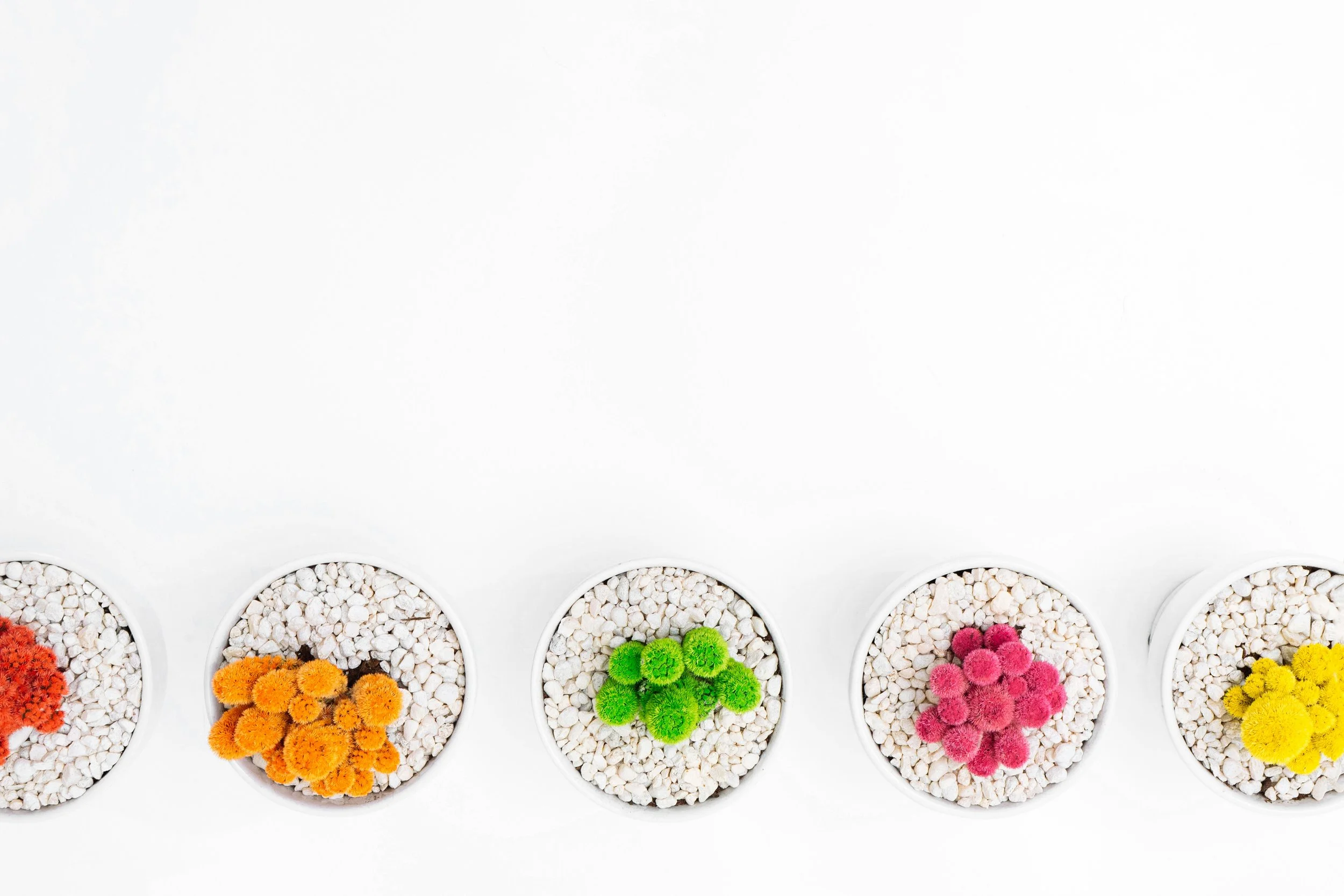
Seiri, meaning which centres on clarity and organisation, is a Japanese life philosophy principle focused on removing excess. In dating, this principle is often overlooked.
Many platforms overwhelm users with information, choice, and constant stimulation. The assumption is that more data leads to better outcomes. Psychological research, including work on judgment and decision-making at University College London, shows that complex decision environments can make choices harder to navigate and increase confusion and anxiety when many options are present. In dating app contexts, this kind of cognitive overload is often experienced as fatigue, and when interactions are viewed through that lens, it becomes easier to see how important signals and boundary cues can either be missed or misinterpreted.
Simplicity creates space. Fewer profiles, fewer assumptions, fewer scripts allow interactions to feel more human. Seiri, meaning, when applied to mindful dating, is not rigidity but the reduction of noise. This Japanese life philosophy helps create breathing room in the dating process.

BARE's minimalist design reflects this belief. Dating does not need to feel like administration. It can be a space where something unfolds rather than something to manage. This perspective also applies in everyday disruptions - for example, when dating coincides with a tube strike, moments where simplicity and flexibility naturally come to the fore.
Wabi-Sabi Meaning: Embracing Impermanence
While not the primary focus, wabi-sabi's meaning complements other aspects of Japanese life philosophy. Wabi-sabi values impermanence, imperfection, and incompleteness. When applied to dating, wabi-sabi meaning encourages acceptance of uncertainty and unfinished stories.
This Japanese philosophy reminds us that not every connection needs to last forever to be meaningful. Whether exploring non-monogamy or traditional dating structures, wabi-sabi, meaning within Japanese life philosophy, helps us embrace the transient nature of human connection.
Dating as an Experience, Not a Performance

Taken together, these principles of Japanese life philosophy point to a subtle shift. Dating becomes less about optimisation and more about presence.
Kaizen philosophy reminds us that progress can be gentle.
Shoshin philosophy keeps curiosity alive.
Philosophy of kintsugi allows for imperfection in relationships.
Ikigai philosophy reconnects dating to meaning.
Seiri means to clear space for encounter.

While these are not philosophies of love specifically, they offer a Japanese life philosophy framework that can reshape how we approach connection. This perspective aligns closely with BARE's approach: not by offering promises or prescriptions, but by creating conditions that support grounded, respectful connection. A respectful foundation in dating also involves clarity around consent in relationships and attentiveness to LGBTQ dating etiquette.

Perhaps what is needed now is not better advice, but a different posture - one that allows dating to remain exploratory, unfinished, and human. Japanese life philosophy offers exactly this kind of wisdom.
What is the Japanese Philosophy of Love?
What is the Japanese philosophy of love? This question often arises when exploring Japanese life philosophy. There is no single Japanese philosophy of love in the Western sense. Instead, Japanese philosophy tends to focus on how life is lived rather than how love should unfold.
Concepts like imperfection in relationships, patience, and presence emerge indirectly through broader Japanese life philosophy principles. Dating can be understood as one expression of these wider principles, rather than a separate philosophical category. Seen through this lens, signs of a serious relationship tend to reveal themselves more clearly over time.
The ikigai meaning in love doesn't describe romantic destiny but rather how connection integrates with life purpose. The philosophy of kintsugi teaches us about repair and imperfection in relationships. Shoshin philosophy maintains openness. Together, these elements of Japanese life philosophy create a holistic approach to connection.
What Are Key Dating Lessons from Japanese Philosophy That Can Improve Modern Relationships?
What are the key dating lessons from Japanese philosophy that can improve modern relationships? When Japanese life philosophy is applied to dating, several transformative themes emerge:
Kaizen philosophy encourages little, gradual progress rather than instant certainty. When applied as a lens, this Japanese life philosophy principle offers a way to think about modern dating terms and expectations without reinforcing their pressure.
Shoshin philosophy supports openness and curiosity in each new encounter, reminding us to approach dates with fresh eyes rather than predetermined outcomes.
Philosophy of kintsugi reframes rupture and disappointment as part of experience, not failure - helping us understand that imperfection in relationships is normal and even beautiful.
Ikigai philosophy helps align dating with personal values and life direction, ensuring that ikigai meaning in love reflects our authentic selves.
Seiri, meaning emphasises simplicity, reducing noise and overwhelm in an already complex dating landscape.
Together, these ideas support a more grounded, mindful dating experience. Research published in peer-reviewed psychology journals shows that higher levels of mindfulness are associated with greater relationship satisfaction and more constructive responses to relationship stress.
Seasonal Considerations in Dating
Japanese life philosophy also recognises the importance of seasons and timing. Even modern phenomena like cuffing season can be understood through this lens - accepting that our needs for connection may shift with circumstances and seasons of life.
Key Takeaways: Applying Japanese Life Philosophy to Modern Dating
Japanese life philosophy offers profound wisdom for navigating modern dating challenges:
Japanese life philosophy when applied to dating provide alternatives to performative dating culture
Kaizen philosophy teaches patience and gradual progress in building connections
Shoshin philosophy encourages maintaining curiosity and openness in each encounter
Philosophy of kintsugi normalises imperfection in relationships and values repair
Ikigai philosophy helps align dating with deeper life purpose and values
Ikigai, meaning in love, is about integration, not destination
Seiri's meaning reminds us that simplicity reduces overwhelm
Wabi-sabi, meaning, embraces impermanence and incompleteness
Japanese philosophy focuses on how we live, not just who we love
Mindful dating emerges naturally from Japanese life philosophy principles
What Comes Next

This reflection opens a wider question we'll explore next: why simplicity, pacing, and psychological containment matter so much in modern dating - and how different environments shape the way we relate.

In a world that accelerates intimacy, choosing slowness may be the most radical move of all. Ideas drawn from Japanese life philosophy make space for this kind of radical slowness.
Frequently Asked Questions About Japanese Life Philosophy and Dating
-
Japanese life philosophy refers to a collection of cultural principles that guide how people approach daily life, work, effort, imperfection, and meaning. These philosophies - such as kaizen philosophy, shoshin philosophy, philosophy of kintsugi, ikigai philosophy, and seiri meaning - are not about romance specifically, but about how we relate to change, uncertainty, and experience. When applied to mindful dating, they offer a reflective way to approach connection without pressure or performance.
-
There is no single Japanese philosophy of love in the Western sense. Instead, Japanese philosophy tends to focus on how life is lived rather than how love should unfold. Concepts like imperfection in relationships, patience, and presence emerge indirectly through broader Japanese life philosophy. Dating can be understood as one expression of these wider principles, rather than a separate philosophical category. The ikigai meaning in love exemplifies this integrated approach.
-
When Japanese life philosophy is applied to dating, several themes emerge:
Kaizen philosophy encourages little, gradual progress rather than instant certainty
Shoshin philosophy supports openness and curiosity in each new encounter
Philosophy of kintsugi reframes rupture and disappointment as part of experience, not failure, embracing imperfection in relationships.
Ikigai philosophy helps align dating with personal values and life direction.
Seiri, meaning emphasises simplicity, reducing noise and overwhelm
Together, these ideas support a more grounded, mindful dating experience rooted in Japanese life philosophy.
-
Ikigai, meaning in love, does not describe romantic destiny or soulmates. Instead, it refers to how connection fits into a person's broader sense of purpose and life priorities. When applied to dating, ikigai philosophy encourages people to ask whether their approach to connection reflects how they want to live, rather than chasing outcomes that feel misaligned or exhausting. This aspect of Japanese life philosophy integrates love with life purpose.
-
Wabi-sabi meaning comes from a Japanese philosophy that values impermanence, imperfection, and incompleteness. While wabi-sabi is not a relationship theory, it complements ideas like the philosophy of kintsugi by challenging the expectation of flawlessness. When applied to dating, wabi-sabi's meaning can support acceptance of uncertainty, unfinished stories, and imperfect encounters - core aspects of Japanese life philosophy.
-
Japanese life philosophy emphasises process over outcome, presence over performance, and gradual progress over immediate results. Western dating culture often prioritises efficiency, optimisation, and quick decision-making. Japanese philosophy offers a counterbalance by valuing patience (kaizen philosophy), openness (shoshin philosophy), and imperfection (philosophy of kintsugi). This makes Japanese life philosophy particularly relevant for those experiencing dating overwhelm.