Single on Valentine's Day? Here's a Low-Pressure Way to Do It

Let's be honest: being single on Valentine's Day doesn't need to be the emotional minefield it's often made out to be. While couples flood restaurants and florists work overtime, millions of people across the UK will spend 14th February perfectly happily without a romantic partner in sight. Whether you're exploring Valentine's Day for singles celebrations, planning some self-care on Valentine's Day, organising valentines with friends, or even browsing dating apps on Valentine's Day, there are countless ways to navigate this day. And that's not just normal - it's increasingly common.
The pressure around Valentine's Day has always felt a bit manufactured, hasn't it? One day, when your relationship status supposedly defines your worth, being single on Valentine's Day is treated like some kind of personal failure. But here's the thing: opting out of the Valentine's Day frenzy doesn't mean opting out of love, connection, or joy. It just means choosing to celebrate differently.
This isn't about forcing yourself to "treat yourself like a queen" or pretending you're thrilled about your relationship status if you're not. It's about finding a middle ground - acknowledging whatever you're feeling while also recognising that you have options for how to spend the day. Whether you're contentedly single on Valentine's Day, actively dating, or somewhere in between, there are genuinely good ways to navigate 14th February without the pressure, comparison, or forced romance.
Table of Contents
The Reality of Being Single on Valentine's Day
How Singles Actually Spend Valentine's Day
Friendship Over Forced Romance
Self-Care That Actually Feels Good
The Dating App Dilemma
Budget-Friendly Ways to Mark the Day
Managing Loneliness Without Comparison
FAQs
The Reality of Being Single on Valentine's Day

First, let's talk numbers. According to the Office for National Statistics, there are approximately 16 million single adults in the UK. That's nearly a third of the adult population. So if you're single on Valentine's Day, you're in substantial company.
The narrative around Valentine's Day loneliness often ignores a crucial point: many people in relationships also find the day stressful, forced, or disappointing. The expectation to perform romance on cue doesn't suit everyone, coupled or not. This isn't about dismissing genuine feelings of loneliness - those are valid - but about recognising that the day itself is somewhat arbitrary.
What makes being single on Valentine's Day challenging isn't usually the actual absence of a partner. It's the cultural messaging that tells you something's missing. It's the bombardment of couple-centric content, the assumptions from well-meaning relatives, the subtle (or not-so-subtle) suggestions that you should be doing something about your single status. The emotional weight often comes from external pressure rather than internal desire.
According to research highlighted in The Guardian, single people often report feeling more pressure from society about their relationship status around Valentine's Day than they do from their own actual feelings about being single. The day amplifies comparison culture, making people measure their lives against an idealised romantic standard that doesn't reflect reality for most people most of the time.
How Singles Actually Spend Valentine's Day

Forget the stereotypes of celebrating Valentine's Day alone while crying into ice cream. Real single people spend 14th February in remarkably normal ways. Many treat it like any other Friday (or whatever day it falls on). They go to work, meet friends, watch television, exercise, or pursue hobbies. The day doesn't have to be marked at all if you don't want it to be.
For those who do acknowledge Valentine's Day for singles, the approaches vary widely. Some embrace Galentine's Day UK-style celebrations - a concept popularised by the TV show Parks and Recreation that's gained genuine traction in British culture. These gatherings centre friendship rather than romance, often involving meals out, drinks, or cosy nights in with close friends.
Others use the day for what therapists might call "productive solitude." This isn't about forced self-love Valentine's Day rituals but about genuinely enjoyable solo activities. Going to the cinema during the day when it's quiet, visiting a gallery, taking a long walk somewhere beautiful, reading a book you've been meaning to get to. These aren't consolation prizes for not having a date - they're activities that many people actively prefer to do alone.
Some singles lean into humour about the day. Anti-Valentine's parties, singles events specifically designed for 14th February, or simply making jokes with friends who are in the same boat. The British tendency towards self-deprecating humour serves people well here, allowing them to acknowledge the cultural weirdness of the day without taking it too seriously.
Friendship Over Forced Romance

One of the healthiest reframes around being single on Valentine's Day is shifting focus from romantic love to other forms of connection. Friendships, family relationships, community ties - these matter just as much as romantic partnerships, yet Valentine's Day traditionally ignores them entirely.
Galentine's Day UK celebrations have become increasingly popular precisely because they fill this gap. Whether it's a group dinner, a movie night, or simply exchanging cards or small gifts with close friends, these valentines with friends acknowledge that love comes in many forms. According to Stylist magazine, searches for Galentine 's-related content have increased significantly in recent years, suggesting that many people are actively choosing to celebrate platonic love on or around 14th February.
Valentines with friends don't need to be an elaborate production. It might be as simple as a group chat check-in, a casual pub meet-up, or a shared meal. The point isn't to replicate couple-focused Valentine's traditions but to create space for genuine connection without the pressure of romance. This approach aligns well with what relationship experts call "diversifying your love portfolio" - recognising that emotional fulfilment comes from multiple sources, not just romantic partners, especially when you're single on Valentine's Day.
For those exploring different relationship types and what works for them, Valentine's Day can actually be a useful prompt to appreciate the connections you do have, rather than focusing solely on what's absent when you're single on Valentine's Day.
Self-Care That Actually Feels Good

Let's address the elephant in the room: self-care on Valentine's Day has become something of a cliché. The internet is full of advice telling single people to "pamper themselves" or "be their own Valentine," which can feel either patronising or exhausting depending on your mood.
Genuine self-care on Valentine's Day isn't about performing self-sufficiency or pretending you don't want connection. It's about doing things that actually make you feel good, whether or not they fit the Instagram-worthy self-care aesthetic. For some people, that might genuinely be a long bath and a face mask. For others, it's going for a run, cooking a meal they enjoy, or simply having an early night with a good podcast when they're single on Valentine's Day.
Solo Valentine's Day ideas that work are the ones that align with what you actually like, not what you think you should like. If you find spa treatments boring, don't book one just because it's "self-care." If you love cooking, make yourself an excellent meal. If you'd rather order takeaway and watch a series, that's equally valid when you're single on Valentine's Day.
The concept of self-care on Valentine's Day and treating yourself well shouldn't be confined to one day, of course. But if being single on Valentine's Day prompts you to check in with yourself about what you need - more rest, more fun, more time with friends, more solitude - then it serves a useful purpose. Think of it as a reminder rather than a performance.
Budget-Friendly Ways to Mark the Day

One practical concern for many people is the question: What can I do on Valentine's Day for a low budget? The commercialisation of Valentine's Day suggests you need to spend significantly to mark the occasion, but being single on Valentine's Day actually frees you from some of those financial pressures.
Solo Valentine's Day ideas that cost little or nothing include visiting free museums and galleries (London has dozens), going for a walk in a park or nature reserve, having a film marathon at home with movies you already own or can stream, cooking a meal you enjoy rather than ordering expensive takeaway, reading, or pursuing a hobby you already have the supplies for when you're single on Valentine's Day.
If you're marking the day with friends, budget-friendly Valentine's Day options might include hosting a potluck dinner where everyone brings something, having a games night at home, going for a walk together followed by coffee, or organising a clothes swap or craft activity. The focus is on time spent together rather than money spent, especially when celebrating valentines with friends.
For those wanting to treat themselves without breaking the bank while single on Valentine's Day, small pleasures often matter more than expensive ones - a really good coffee from your favourite café, fresh flowers from the supermarket rather than a florist, a book you've been wanting to read, or ingredients to cook something special. Being single on Valentine's Day doesn't mean denying yourself treats, but it also doesn't require spending as if you're trying to impress someone else.
According to research by Mintel, average Valentine's Day spending in the UK has decreased in recent years, particularly among younger consumers. This suggests a broader cultural shift away from the commercialisation of the day, which works in favour of those single on Valentine's Day looking for low-pressure ways to spend it.
The Dating App Dilemma
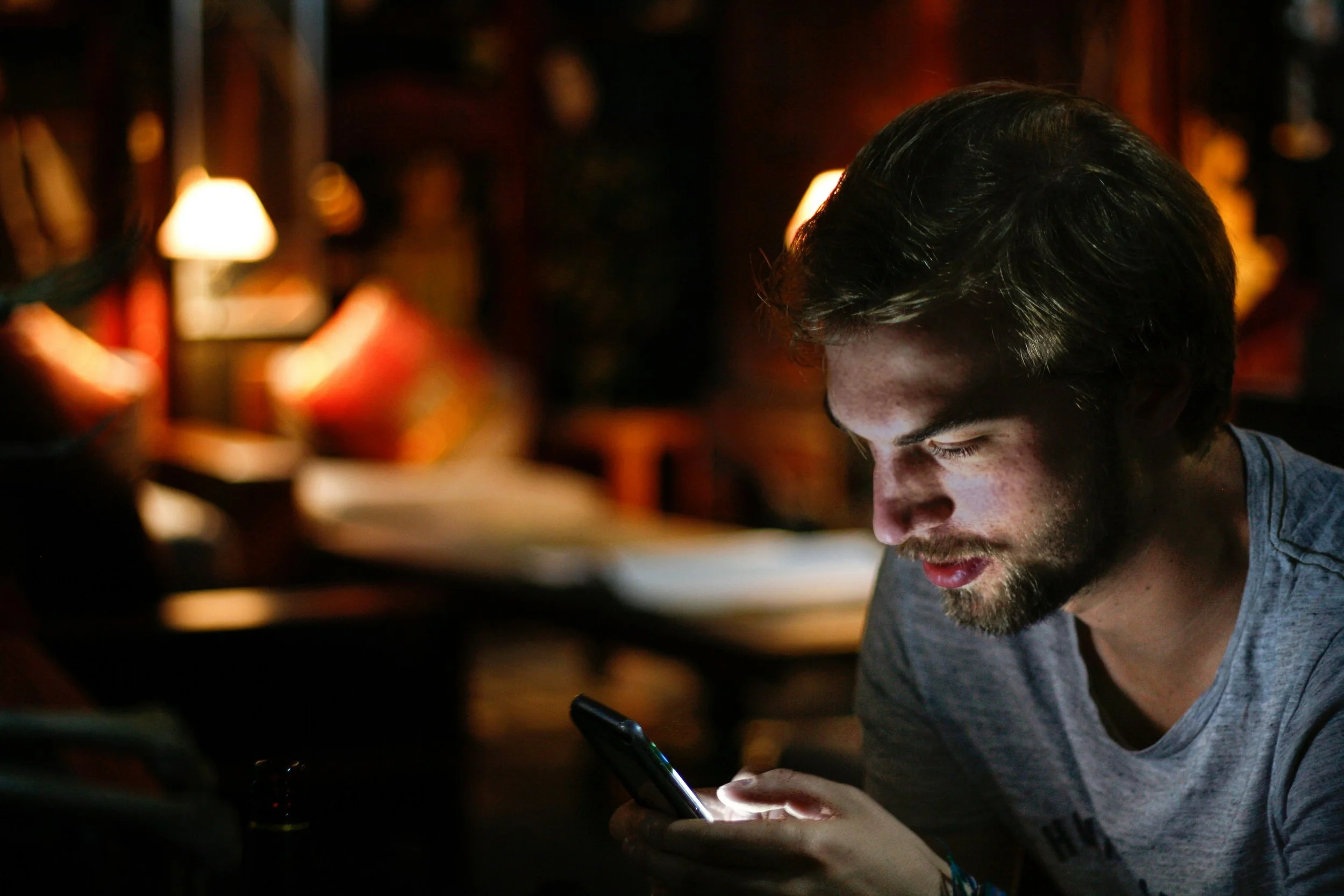
If you're single on Valentine's Day and actively dating, the day itself can feel particularly loaded. Should you use dating apps on Valentine's Day? Does increased activity suggest desperation or simply awareness that others might also be looking?
The data tells an interesting story. According to research from dating platforms, Valentine's Day typically sees a significant spike in activity. Tinder reported a 15% increase in swipes on Valentine's Day 2023, while Bumble noted increased engagement in the days leading up to 14th February. This suggests that using dating apps on Valentine's Day is common behaviour, not an outlier.
For those experiencing dating app fatigue, Valentine's Day might exacerbate the feeling. The pressure to be coupled can make swiping feel more urgent and less enjoyable when you're single on Valentine's Day. If you're already feeling dating app burnout, it's perfectly reasonable to permit yourself to skip the apps entirely around 14th February.
On the other hand, some people find that being single on Valentine's Day gives them clarity about what they actually want. The cultural focus on romance can prompt useful reflection: Are you dating because you genuinely want a connection, or because you feel you should be? Understanding what casual dating or looking for something more serious becomes particularly relevant when Valentine's Day highlights these questions.
If you do use dating apps on Valentine's Day, be mindful of red flags in online dating. The urgency some people feel around the day can lead to rushed decisions or overlooking incompatibilities. Take the same care you would at any other time of year - perhaps even more, given the emotional charge of the date when you're single on Valentine's Day.
For those wondering why people use dating apps in the first place, Valentine's Day can serve as a reality check. If your primary motivation is avoiding being single on Valentine's Day on this one specific day, that's worth examining. Dating from a place of fear rarely leads to good outcomes.
Dating Etiquette and Consent

If you’re actively dating around Valentine’s Day, it’s worth remembering that good dating etiquette and respect aren’t seasonal — they apply across all identities, relationship structures, and dating experiences. This includes being mindful of inclusive practices, such as those outlined in LGBTQ+ dating etiquette, particularly at a time when emotions and expectations tend to run higher. Being clear about your intentions, understanding what consent is in a relationship, and consistently respecting other people’s boundaries should always be non-negotiable, regardless of the calendar.
If you're in the early stages with someone and not sure if you’re single on Valentine's Day, don't assume Valentine's Day changes anything unless you've explicitly discussed it. Surprising someone with grand gestures they haven't agreed to can create pressure rather than pleasure. Similarly, if you're single on Valentine's Day and someone approaches you romantically, you're under no obligation to reciprocate just because of the date.
Understanding the stages of falling in love can help you recognise where you actually are with someone, rather than where cultural pressure suggests you should be. Valentine's Day tries to force-march people through emotional stages, but a genuine connection develops at its own pace.
Managing Loneliness Without Comparison

Let's acknowledge the harder truth: for some people, being single on Valentine's Day does bring up genuine Valentine's Day loneliness. This doesn't mean you're doing anything wrong or that you need to be in a relationship. It means you're human, and humans sometimes feel lonely.
The key to managing these feelings isn't denial or toxic positivity. It's allowing yourself to feel whatever comes up while also not letting those feelings dictate your entire experience of the day. Yes, you might feel sad or left out when you're single on Valentine's Day. You might genuinely wish you had a partner. These feelings can coexist with also having a pleasant evening with friends, or enjoying a quiet night in, or any other way you choose to spend 14th February.
Emotional regulation around being alone on Valentine's Day often means catching yourself in comparison spirals. Social media makes this particularly challenging - everyone else's relationships look perfect in curated posts. Reminding yourself that you're seeing highlights, not reality, helps. So does limiting your social media consumption on days when it might feel particularly loaded.
If you know the day typically hits you hard when you're single on Valentine's Day, plan accordingly. Make sure you have plans that day, even if they're solo plans. Line up support from friends. Don't schedule difficult conversations or tasks for 14th February if you can avoid it. Treat yourself with the same care you'd offer a friend in the same situation.
For those dealing with dating anxiety and modern dating more broadly, Valentine's Day can amplify existing worries. If you're already anxious about your dating life while single on Valentine's Day, the cultural spotlight on romance might intensify those feelings. This is where therapy, talking to trusted friends, or even journaling can help process what's coming up.
It's also worth noting that being in a relationship doesn't automatically protect you from Valentine's Day stress. Many couples experience pressure, disappointment, or conflict around the day. This isn't to minimise the experience of being single on Valentine's Day, but to acknowledge that the day itself creates challenges across relationship statuses.
Making Peace with Being Single on Valentine's Day

Perhaps the most radical thing you can do when single on Valentine's Day is simply accept it without drama. Do not celebrate it, do not ignore it completely, but acknowledge it as one day among 365, with whatever significance you choose to give it.
This doesn't mean suppressing difficult feelings. It means recognising that you can feel lonely and still have a pleasant evening when single on Valentine's Day. You can wish you had a partner and still enjoy your own company. You can feel left out of couple culture and still appreciate your friendships. Human emotions are complex enough to hold multiple truths simultaneously.
For some people, being single on Valentine's Day is a relief rather than a burden. If you've recently ended a relationship, you might be grateful not to navigate the expectations of the day with someone else. If you're starting to date after a breakup, Valentine's Day might feel too soon for new romantic pressure and you may prefer being single on Valentine's Day. If you're exploring what a situationship is, the day might highlight that ambiguity in uncomfortable ways.
The single most helpful reframe might be this: Valentine's Day is optional. You don't have to participate in the cultural narrative around it. You can acknowledge it exists, recognise that being single on Valentine's Day doesn't diminish your worth or happiness, and then spend the day however you actually want to spend it.
The Bigger Picture Beyond One Day

Being single on Valentine's Day is really about being single in a culture that centres romantic relationships. Valentine's Day just puts that in sharp relief for 24 hours. The work of building a fulfilling life, whether or not you have a romantic partner, is ongoing, not confined to mid-February.
This might involve dating authentically when you do choose to date, rather than pursuing relationships simply to avoid being single. It can also mean taking time to understand the psychology of why we need relationships, while recognising that romantic partnerships aren’t the only source of meaningful connection or emotional fulfilment. For some people, this looks like getting clearer about casual dating boundaries and what genuinely works for them, while for others it involves noticing the signs of wanting a committed relationship and dating with that intention in mind.
For those interested in different relationship models, exploring non-monogamy or learning about open-minded dating approaches might expand your thinking about what relationships can look like. Understanding modern dating terms and concepts, like\cuffing season, can help you navigate contemporary dating culture with more clarity.
Being single on Valentine's Day is also about resisting the narrative that you're incomplete without a partner. You're a whole person now. A relationship might add to your life, but it doesn't complete it. Valentine's Day's insistence that romantic love is the most important kind of love simply isn't true.
Looking After Your Mental Health

Valentine's Day loneliness can be particularly acute for people already struggling with mental health when they're single on Valentine's Day. If you're dealing with depression, anxiety, or other challenges, the cultural messaging around the day might hit harder. This doesn't mean something's wrong with you - it means you're managing mental health in a culture that isn't always conducive to wellbeing.
If you know Valentine's Day typically affects your mood, consider reaching out to a therapist or counsellor in advance. Many UK mental health services, including NHS mental health support, offer resources for managing difficult emotions. Charities like Mind and Samaritans provide support for people experiencing emotional distress.
For those dealing with ghosting or processing recent dating disappointments, Valentine's Day might bring those feelings to the surface. This is normal. Allow yourself to feel what you're feeling while also engaging in basic self-care - eating, sleeping, moving your body, connecting with others.
Being single on Valentine's Day doesn't have to mean being isolated. If you're struggling, reach out. Text a friend, call a helpline, or seek professional support. Connection matters, whether or not it's romantic.
Practical Tips for What to Do on Valentine's Day for Singles

If you're looking for concrete what to do on Valentine's Day for singles suggestions, here's a range that doesn't require forced cheerfulness or pretending you love being single if you don't:
In the daytime: Visit a museum or gallery during quiet hours. Many London institutions like the British Museum, Tate Modern, and National Gallery are free and tend to be less crowded during weekday afternoons. Go for a walk somewhere green - Hyde Park, Hampstead Heath, or Richmond Park. Browse a bookshop. Catch up on errands you've been putting off and use being single on Valentine's Day to your advantage.
In the evening: Host or attend a casual gathering with other single friends. No need to make it specifically anti-Valentine's unless that appeals to you - just enjoy each other's company through valentines with friends' celebrations. Cook yourself something you genuinely like eating as part of your self-care on Valentine's Day. Watch films or series that have nothing to do with romance. Read. Work on a creative project. Have an early night if you're tired.
If you want to go out while single on Valentine's Day, look for events that aren't couple-focused. Comedy nights, live music, pub quizzes, fitness classes, or community events on 14th February regardless of Valentine's Day. Some venues specifically host singles events, though whether these appeal is entirely personal preference.
If you want to stay in when you're single on Valentine's Day, make your space comfortable. Change your sheets, light candles if you like them, and put on music or a podcast. Order food you enjoy or cook something satisfying. Run a bath if that appeals. Watch whatever you want without having to negotiate with someone else's preferences.
The common thread in all these suggestions is that they're based on what you actually enjoy when you're single on Valentine's Day, not on performing self-love or proving you're fine being single. Being single on Valentine's Day is easier when you're doing things that genuinely suit you rather than things you think you should do.
Frequently Asked Questions
-
Absolutely. Being single on Valentine's Day is completely normal and doesn't reflect on your worth, desirability, or future relationship prospects. Approximately a third of UK adults are single, so you're in substantial company. The cultural pressure around Valentine's Day suggests something's wrong with being single on Valentine's Day, but this is a manufactured urgency designed to sell cards, flowers, and restaurant reservations. Your relationship status on one arbitrary day of the year says nothing meaningful about your life or happiness. It's entirely okay - more than okay - to be single on Valentine's Day, whether that's by choice or circumstance.
-
While exact figures vary year to year, Valentine's Day consistently ranks as one of the most popular days for engagements in the UK. For those who are single on Valentine's Day, these statistics can feel overwhelming, but it's worth remembering that engagement doesn't equal relationship happiness, and many people who get engaged on Valentine's Day may have felt pressure to do so on that specific date.
-
Valentine's Day is culturally significant in the UK but perhaps less commercially intense than in some other countries. However, this is significantly less per capita than in the United States. The British approach to Valentine's Day tends to be somewhat more low-key and occasionally ironic, with many people treating it as optional rather than obligatory. For those who are single on Valentine's Day, this cultural ambivalence can actually be helpful - there's less social pressure to participate or perform than in more Valentine's-obsessed cultures. Many UK businesses and restaurants do create Valentine's-specific offerings, but there's also a strong counter-culture of people who ignore the day entirely when they're single on Valentine's Day.
-
There's no single right answer to what to do on Valentine's Day for singles - it depends entirely on what feels right for you. Some options when you're single on Valentine's Day include celebrating Galentine's Day UK style with friends, treating yourself to activities you genuinely enjoy (cinema, walks, reading, cooking), continuing with your normal routine as if it's any other day, or using the time for self care on Valentine's Day that actually appeals to you rather than forced self-love rituals. You might host or attend a gathering with other single friends through Valentine's Day for singles events, explore solo Valentine's Day ideas like visiting a museum or trying a new restaurant during lunch hours when it's quieter, or simply stay in and watch films unrelated to romance. The key is choosing what genuinely suits you rather than what you think you should do. Being single on Valentine's Day gives you freedom to spend the time however you like without negotiating with a partner.
-
Yes, many singles do go out on Valentine's Day, though not necessarily to traditional Valentine's Day venues. While some restaurants and bars cater specifically to couples on 14th February, plenty of singles attend regular events - pub quizzes, comedy nights, live music, cinema screenings, fitness classes, or casual meet-ups with friends. Some venues in major UK cities host singles events specifically for Valentine's Day, though these tend to be concentrated in London and other large cities. Many people who are single on Valentine's Day simply continue their normal social routines, going out with friends or attending events that have nothing to do with romance. There's no requirement to stay home just because you're single, though equally, there's no requirement to go out if you'd prefer a quiet night in. The choice is entirely yours.
Key Takeaways

Being single on Valentine's Day doesn't require elaborate coping strategies or forced positivity. It simply requires recognising that the day is optional, the cultural messaging around it is questionable, and your relationship status doesn't define your worth or happiness.
Valentines for singles can look like friendship celebrations, genuine self-care on Valentine's Day that suits your preferences, continued normal routines, or any combination that feels right for you. The goal isn't to prove you're fine being single on Valentine's Day or to perform independence you don't feel. It's to get through 24 hours with kindness toward yourself and realistic expectations of the day.
For those using dating apps on Valentine's Day, do so because you genuinely want to connect, not because you feel pressure to couple up. For those experiencing Valentine's Day loneliness while single on Valentine's Day, allow those feelings while also recognising they'll pass and don't define your entire experience.
Most importantly, remember that being single on Valentine's Day is fundamentally normal. You're not broken, behind, or missing out on anything essential. You're navigating one day in a year full of days, with whatever resources and support you have available. Whether you're celebrating Valentine's Day with friends, practicing self care on Valentine's Day, browsing dating apps on Valentine's Day, or simply treating it like any other day, being single on Valentine's Day is just one part of your journey.