
8 Valentine's Day Traditions Around The World

Love transcends borders, but the ways we celebrate it vary beautifully across cultures. While February 14th has become synonymous with roses and chocolates in many countries, each nation has developed its own unique Valentine's Day tradition that reflects its cultural identity and romantic heritage. From the heartfelt gestures in the UK to the chocolate-giving customs in Japan, Valentine's Day traditions around the world offer a fascinating glimpse into how different societies express affection and celebrate romance.
Whether you're curious about how your own country marks this special day or looking for fresh inspiration for your romantic celebrations, exploring global Valentine's Day traditions reveals that love truly speaks a universal language - just with delightfully different dialects. In this comprehensive guide, we'll journey through eight countries to discover their distinctive cultural Valentine's Day practices, from the poetic exchanges in Britain to the friendship celebrations in Finland.
Table of Contents
Valentine's Day Traditions in the United Kingdom
Valentine's Day Traditions in Japan
Valentine's Day Traditions in France
Valentine's Day Traditions in South Korea
Valentine's Day Traditions in Italy
Valentine's Day Traditions in Finland
Valentine's Day Traditions in America
Valentine's Day Traditions in Denmark
FAQs
1. Valentine's Day Traditions in UK

The United Kingdom holds a special place in the history of February 14th, with the Valentine’s Day tradition rooted deeply in British culture for centuries.. The Valentine's Day traditions in uk are steeped in romance, poetry, and charming customs that have evolved over generations.
One of the most enduring Valentine's Day customs in Britain involves the exchange of Valentine's cards. The UK was among the first countries to commercialise Valentine's Day greetings in the 19th century, and Britons continue this practice with enthusiasm today. According to the UK Greeting Card Association, approximately 25 million Valentine's cards are sent each year in Britain, making it the second most popular card-sending occasion after Christmas.
Traditional Valentine's Day celebrations in the UK often feature anonymous cards and gifts. Historically, lovers would send unsigned cards to their beloveds, creating an air of mystery and anticipation. While modern couples are typically more direct, the element of surprise remains central to British Valentine's Day celebrations.
Another quintessentially British Valentine's Day tradition involves writing love poems or verses. From Shakespeare's romantic sonnets to contemporary verse, poetry has long been the language of love in Britain. Many British couples exchange handwritten notes or cards containing heartfelt verses, keeping this literary tradition alive
While romantic poetry dominates modern celebrations, not all historic British Valentine’s cards were affectionate. During the Victorian era, so-called “vinegar valentines” were also popular - satirical or mocking cards that teased recipients about their habits or social status. Though humorous (and sometimes cruel), they reflect how widespread and culturally embedded Valentine’s correspondence had become in 19th-century Britain.
Even earlier, medieval England saw a form of “Valentine’s lottery,” where names were drawn to determine a Valentine for the year. The association between romantic love and February 14th is often linked to Geoffrey Chaucer’s 14th-century poem Parliament of Fowls, which connected the day with courtly love traditions. These layered customs add historical richness to the UK’s enduring Valentine’s heritage.
The practice of sending flowers, particularly red roses, is also deeply embedded in Valentine's Day traditions in uk. British florists report their busiest day of the year on February 14th, with roses accounting for the majority of sales. The Royal Horticultural Society notes that roses have symbolised love in British culture since medieval times, making them the quintessential Valentine's gift.
Valentine's Day rituals in the UK also include romantic dinners at restaurants, which are typically booked weeks in advance. British couples often celebrate with intimate meals featuring classic dishes, champagne, and decadent desserts. For those navigating the dating scene, finding someone special to share such moments with can be an adventure in itself. For those navigating the dating scene, finding someone to share such moments with can feel meaningful — especially when guided by principles of authentic dating that prioritise honesty and emotional clarity.
In some parts of the UK, particularly in Norfolk, an old Valentine's Day tradition called "Jack Valentine" persists. Children receive small gifts left anonymously on their doorsteps by "Jack Valentine," who knocks on the door and then disappears before being seen. This charming custom adds a touch of magic to the day for younger generations.
British couples also embrace the Valentine's Day customs of weekend getaways to romantic destinations. The VisitBritain tourism board reports increased bookings to historic cities like Bath, Edinburgh, and York during Valentine's weekend, as couples seek scenic backdrops for their romantic celebrations.
2. Valentine's Day Traditions in Japan
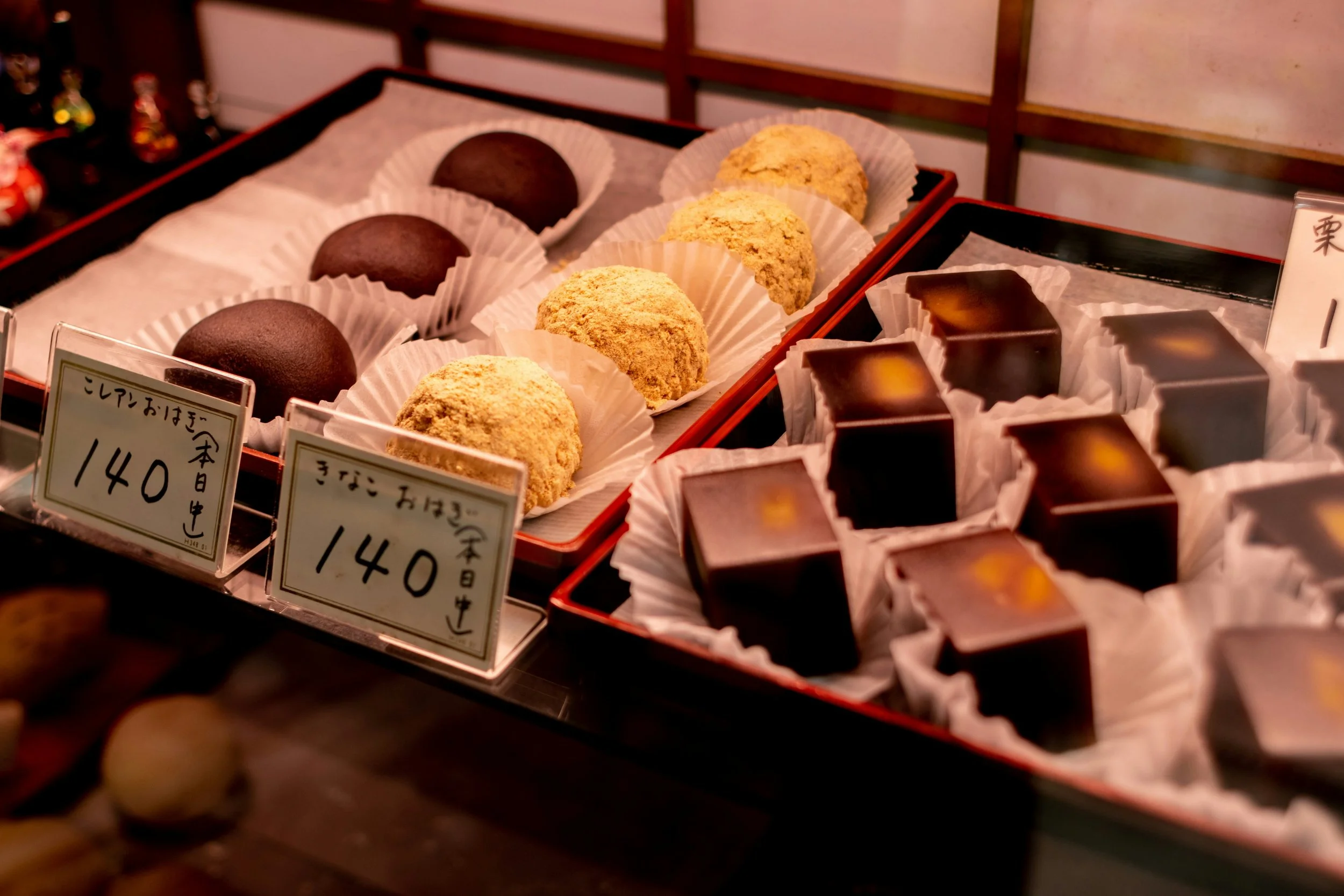
The Valentine's Day traditions in Japan present a fascinating twist on Western customs, with gender roles reversed in a unique cultural adaptation. This distinctive Valentine's Day tradition began in Japan in the 1950s when confectionery companies launched marketing campaigns that fundamentally shaped how the country celebrates romantic love.
In Japan, February 14th is specifically a day when women give chocolate to men - a complete reversal of Western conventions. This Valentine's Day tradition has become deeply ingrained in Japanese culture, with chocolate manufacturers reporting that nearly 60% of annual chocolate sales occur in the weeks leading up to Valentine's Day.
Japanese Valentine's Day customs distinguish between two types of chocolate: "giri-choco" (obligation chocolate) and "honmei-choco" (true feeling chocolate). Women give giri-choco to male colleagues, bosses, and platonic male friends as a social courtesy, while honmei-choco is reserved for romantic partners or men they wish to pursue romantically. This nuanced approach to cultural Valentine's Day practices reflects Japan's emphasis on social harmony and defined relationships.
The quality and presentation of chocolate carry significant meaning in Valentine's Day traditions in Japan. Handmade chocolates represent deeper affection and effort than store-bought varieties. Many Japanese women spend weeks perfecting their chocolate-making skills, attending workshops or following intricate recipes to create impressive confections that convey their feelings.
Another unique aspect of this Valentine's Day tradition is "White Day," celebrated exactly one month later on March 14th. On White Day, men who received chocolate on Valentine's Day are expected to reciprocate with gifts - typically white chocolate, marshmallows, or jewellery - valued at roughly three times what they received. This creates an extended Valentine's celebration spanning two months.
Traditional Valentine's Day celebrations in Japan also include special department store displays and limited-edition chocolate collections from luxury brands. The Takashimaya department stores in Tokyo and other major cities transform entire floors into chocolate wonderlands, featuring artisan chocolatiers from around the world.
For women navigating the complexities of Valentine's Day rituals in Japan, the pressure can be intense. The obligation to give chocolate to all male colleagues can be financially and emotionally taxing, leading some companies to implement "no Valentine's chocolate" policies to reduce workplace stress. These expectations highlight how relationship types can differ dramatically across cultures, particularly where social obligation intersects with romantic intention.
Recent years have seen the emergence of "tomo-choco" (friend chocolate), which women exchange among themselves, and "jibun-choco" (self-chocolate), where women treat themselves to luxury chocolates. These evolving Valentine's Day customs reflect changing social dynamics and women's increasing financial independence in Japanese society.
In recent years, younger generations in Japan have begun moving away from the expectation of giri-choco. Workplace pressure and financial strain have led many companies to discourage obligation gifting, and surveys indicate a steady decline in participation.
Another emerging trend is gyaku-choco (“reverse chocolate”), where men voluntarily give chocolate to women on February 14th rather than waiting for White Day. While still less common than traditional customs, this shift reflects changing gender dynamics and evolving attitudes toward reciprocity in modern Japanese relationships.
3. Valentine's Day Traditions in France

France, often called the world's most romantic country, approaches Valentine's Day with characteristic sophistication. The Valentine's Day traditions in france emphasize elegance, gastronomy, and genuine romantic connection rather than commercial excess.
Unlike countries such as Finland or the United States, Valentine’s Day in France remains almost exclusively focused on romantic couples. It is not traditionally a friendship holiday, nor do French schoolchildren widely exchange Valentine’s cards. The celebration centres firmly on intimate partnership - reinforcing France’s cultural emphasis on passion, personal connection, and romantic exclusivity.
The French Valentine's Day tradition centres on intimate dinners for two, typically at upscale restaurants or romantic bistros. According to Atout France, the country's tourism development agency, Parisian restaurants are fully booked weeks before February 14th, with couples seeking atmospheric venues featuring candlelight, fine wine, and exquisite cuisine.
Unlike some countries where Valentine's Day has become highly commercialised, the Valentine's Day customs in France maintain a sense of understated romance. French couples prefer quality over quantity, choosing one meaningful gift rather than multiple items. Jewellery, perfume, or lingerie are popular choices, selected with personal taste and intimacy in mind.
Flowers play a central role in traditional Valentine's Day celebrations in France, but the French approach differs from other cultures. While roses remain popular, French florists also create sophisticated arrangements featuring ranunculus, anemones, and peonies. The language of flowers carries particular significance, with each bloom conveying specific sentiments - knowledge that French romantics often employ to craft layered messages.
One unique Valentine's Day tradition in France involves "loterie d'amour" (drawing for love), a now-banned practice that once took place in rural villages. Unmarried people would call out to each other from facing houses, pairing off based on who responded. Men who were disappointed with their match could abandon their Valentine, leading to a bonfire where women burned pictures of ungrateful men. While this tradition no longer exists, it reflects the historical cultural Valentine's Day practices unique to French communities.
The French lens on romantic traditions around the world has quietly informed how numerous countries approach Valentine’s Day celebrations today. Paris, particularly the village of Saint-Valentin in central France, attracts couples from around the globe seeking to celebrate in the birthplace of romance. The village hosts a special festival each February 14th, featuring art exhibitions, romantic walks, and renewal of wedding vows ceremonies.
Valentine's Day rituals in France also include handwritten love letters, a practice the French have elevated to an art form. Rather than relying on pre-written card messages, French lovers often compose personal letters expressing their deepest feelings - a tradition that values authentic emotional expression over convenience. This aligns with the broader concept of emotional intelligence in dating, where genuine communication strengthens romantic bonds.
French couples typically avoid the pressure of grand gestures, instead focusing on quality time together. A walk along the Seine, a visit to a museum, or a quiet evening at home can be as cherished as elaborate celebrations, reflecting the French philosophy that romance should be woven into everyday life rather than confined to a single day.
4. Valentine's Day Traditions in South Korea

South Korea has transformed the Valentine's Day tradition into a year-long celebration of romance with monthly love-themed holidays. The Valentine's Day traditions in South Korea extend far beyond February 14th, creating a unique calendar of romantic observances that reflect the country's emphasis on couple culture.
Similar to Japan, the Valentine's Day customs in South Korea involve women giving chocolate and gifts to men on February 14th. Korean women purchase chocolate for romantic partners, crushes, family members, and male friends, with department stores creating elaborate displays that rival wedding cake presentations. The Korea Agro-Fisheries & Food Trade Corporation reports that chocolate sales spike by over 300% in early February.
The Korean Valentine's Day tradition continues with White Day on March 14th, when men reciprocate with candy, chocolate, or gifts for the women who gave them presents the previous month. However, South Korea adds another dimension with "Black Day" on April 14th, when single people who received nothing on Valentine's Day or White Day gather to eat jajangmyeon (black noodles) and commiserate about their single status - a humorous take on traditional Valentine's Day celebrations that acknowledges singlehood.
This pattern of monthly love days continues throughout the year in South Korean cultural Valentine's Day practices. The 14th of each month celebrates different aspects of relationships: Rose Day (May), Kiss Day (June), Silver Day (July), Green Day (August), Music Day (September), Wine Day (October), Movie Day (November), and Hug Day (December). This extensive calendar transforms a single Valentine's Day tradition into an ongoing celebration of romance.
While February 14th plays a significant role in Korean couple culture, it is not the only romantic date in the calendar. November 11th - known as Pepero Day - involves gifting the popular chocolate biscuit sticks as tokens of affection and friendship, creating another commercially driven love-themed holiday.
Valentine's Day rituals in South Korea also include couples wearing matching outfits, a practice deeply embedded in Korean couple culture. On February 14th, it's common to see couples dressed in coordinating clothes, from identical jackets to complementary colour schemes, publicly displaying their relationship status. Matching outfits have become South Korea’s uniquely visible take on romantic traditions around the world.
Gift-giving on Valentine's Day in South Korea can be elaborate and expensive. Beyond chocolate, women often give designer accessories, electronics, or clothing to their partners. The expectation for reciprocation on White Day creates a gift economy that can be financially demanding, particularly for young couples.Navigating these customs requires awareness of evolving norms, much like understanding modern dating terms helps decode expectations within contemporary relationships.
Korean couples also celebrate Valentine's Day with romantic photoshoots at professional studios. The Korean wedding and photography industry reports increased bookings around Valentine's Day for couple portraits, which are then shared on social media. This blending of private romance and public display reflects Korea's social media-savvy culture.
Restaurants and cafes in South Korea create special Valentine's Day menus and decorations, often offering couple sets that include two of everything - two drinks, two desserts, two entrees. Single diners may even be turned away from certain establishments on February 14th, as the day is considered exclusively for couples, making it quite different from more inclusive Valentine's Day customs in Western countries.
While February 14th plays a significant role in Korean couple culture, it is not the only romantic date in the calendar. November 11th - known as Pepero Day - involves gifting the popular chocolate biscuit sticks as tokens of affection and friendship, creating another commercially driven love-themed holiday.
Interestingly, Christmas Eve is often considered more romantic than Valentine’s Day in South Korea, with many proposals and couple events taking place in December. This highlights how Valentine’s fits within a broader culture of public couple celebration rather than standing alone as the year’s primary romantic milestone.
5. Valentine's Day Traditions in Italy

Italy, the land of Romeo and Juliet, celebrates Valentine's Day with passion befitting its romantic literary heritage. The Valentine's Day traditions in Italy blend ancient Roman history with modern romance, creating celebrations that honour both love and Italian cultural identity.
The Italian Valentine's Day tradition has roots in the ancient Roman festival of Lupercalia, celebrated in mid-February. While modern celebrations have evolved significantly, Italian culture retains a connection to these historical Valentine's Day customs through an appreciation for romance, beauty, and sensory pleasure.
Traditional Valentine's Day celebrations in Italy centre on "Baci Perugina," chocolate-covered hazelnuts wrapped in love notes. These iconic Italian chocolates, produced by the Perugina company since 1922, feature romantic quotes in multiple languages tucked inside silver and blue wrappers. Exchanging Baci Perugina has become a quintessential Italian Valentine's Day tradition, with the notes often serving as conversation starters for romantic discussions.
In Italy, Valentine’s Day is known as Festa degli Innamorati - the Festival of Lovers. The emphasis remains squarely on romantic partnership, and the day has become one of the most popular times of year for marriage proposals.
Jewellers report a seasonal rise in engagement ring purchases, and many couples choose scenic settings - from Florence’s Piazzale Michelangelo to the Amalfi Coast - for life-changing declarations. This reinforces Italy’s reputation for passionate, cinematic romance woven into everyday cultural life.
Italian couples also celebrate with elaborate dinners featuring regional specialities and fine wines. Unlike the rushed restaurant experiences common in some countries, Valentine's Day rituals in Italy emphasise leisurely, multi-course meals that can last several hours. The Italian National Tourist Board notes that couples often choose historic restaurants or venues with romantic views, such as overlooking Tuscan vineyards or Venetian canals.
One charming Italian Valentine's Day tradition involves visiting Verona, the setting of Shakespeare's "Romeo and Juliet." The city hosts special Valentine's Day events at Juliet's House (Casa di Giulietta), where couples can write love letters that are answered by volunteers known as "Juliet's secretaries." Thousands of letters arrive each year from around the world, and some couples even get engaged beneath Juliet's famous balcony.
Cultural Valentine's Day practices in Italy also include the exchange of "Lucchetti dell'amore" (love padlocks). Couples inscribe their names on padlocks, attach them to bridges or gates, and throw away the keys to symbolise eternal love. While this practice originated in Italy and spread worldwide, many Italian cities have removed padlocks from historic bridges due to structural concerns, though the romantic traditions around the world they inspired continue elsewhere.
Italian jewellers report their busiest season around Valentine's Day, as the Valentine's Day customs include gifting gold jewellery, particularly the "Chiave del Cuore" (key to the heart), a small gold key pendant symbolising that the giver holds the key to the recipient's heart. This tradition reflects Italy's goldsmithing heritage and the cultural significance of jewellery in romantic relationships.
The Italian emphasis on meaningful connection echoes debates around casual dating, though in Italy even early romance often carries emotional depth.
Red roses dominate Italian celebrations, as the Valentine’s Day tradition specifies red for romantic love, while other colours communicate different meanings in the country’s floral language.. Italian florists create elaborate bouquets and arrangements, often combined with romantic settings like candlelit dinners or scenic locations.
6. Valentine's Day Traditions in Finland

Finland offers a refreshing perspective on the Valentine's Day tradition by celebrating "Ystävänpäivä" (Friend's Day) rather than exclusively romantic love. The Valentine's Day traditions in Finland emphasise friendship, companionship, and all forms of affection, creating a more inclusive celebration that differs markedly from other global Valentine's Day traditions.
The Finnish approach to this Valentine's Day tradition recognises that love extends beyond romantic partnerships to include friendships, family bonds, and platonic relationships. On February 14th, Finns exchange cards, small gifts, and expressions of appreciation with friends, colleagues, and loved ones of all types, reflecting the Nordic value of community and social connection.
Valentine's Day customs in Finland include children exchanging cards at school, much like in the United States, but with an emphasis on friendship rather than romance. These cards often feature cartoons, animals, or humorous messages rather than romantic imagery. Teachers encourage students to give cards to all classmates, promoting inclusivity and preventing feelings of exclusion.
Finnish adults participate in traditional Valentine's Day celebrations by organising gatherings with friends, sending cards to those they appreciate, and acknowledging the important people in their lives. This broader interpretation of the Valentine's Day tradition reduces commercial pressure and creates space for genuine expressions of gratitude and affection.
Ystävänpäivä is one of the most significant card-sending occasions in Finland, ranking just behind Christmas. The scale of participation underscores how deeply embedded friendship celebration is within Finnish culture. Rather than concentrating commercial energy on romantic luxury goods, Finland channels Valentine’s spending into simple, meaningful gestures that prioritise community over exclusivity.
The cultural Valentine's Day practices in Finland also include special treats and sweets. Bakeries produce heart-shaped pastries, and candy manufacturers create special Friend's Day confections. Unlike the chocolate-focused Valentine's Day rituals in other countries, Finnish sweets often feature local flavours like lingonberry, cloudberry, and salmiakki (salty liquorice).
This inclusive Valentine's Day tradition addresses one challenge common in romance-focused celebrations: the exclusion and loneliness felt by single people. By celebrating friendship alongside romance, Finland creates a holiday that everyone can enjoy regardless of relationship status. This philosophy resonates with contemporary discussions about why we need relationships of all kinds, not just romantic ones.
Finnish couples do still celebrate romantic love on Ystävänpäivä, often with quiet dinners at home or small gestures of affection. However, the Valentine's Day customs don't create the same commercial frenzy or social pressure seen in countries where Valentine's Day is exclusively romantic. The Finnish Tourist Board notes that Valentine's Day activities often include outdoor winter activities like ice skating or Northern Lights viewing, blending romance with Finland's natural beauty.
Media coverage of Valentine's Day traditions in Finland often highlights the egalitarian and friendship-focused nature of the celebration. Finnish newspapers and television programmes feature stories about all types of relationships, from lifelong friendships to romantic partnerships, acknowledging that love and connection take many forms.
7. Valentine's Day Traditions in America

The United States has transformed the Valentine's Day tradition into one of the most commercialised holidays on the calendar. The Valentine's Day traditions in America reflect the country's consumer culture while maintaining genuine romantic sentiment, creating a celebration that combines heartfelt gestures with significant economic activity.
According to the National Retail Federation, Americans spend over $25 billion annually on Valentine's Day, making it one of the most lucrative holidays for retailers. This commercial aspect of the Valentine's Day tradition includes jewellery, flowers, chocolates, greeting cards, and romantic dinners, with spending increasing each year.
Valentine's Day customs in America begin in elementary schools, where children exchange Valentine's cards with classmates. These exchanges typically involve pre-packaged cards featuring popular cartoon characters, and many teachers require students to give cards to everyone in the class to prevent hurt feelings. This childhood introduction to the Valentine's Day tradition shapes how Americans perceive and celebrate the holiday throughout their lives.
For American adults, traditional Valentine's Day celebrations often include romantic dinners at restaurants, which are typically booked weeks in advance. The restaurant industry reports Valentine's Day as one of its busiest nights, with many establishments offering special prix-fixe menus and romantic atmospheres. Some couples prefer home-cooked meals, viewing the effort and intimacy as more meaningful than commercial dining experiences.
The Valentine's Day rituals of giving red roses and heart-shaped boxes of chocolate are quintessentially American practices that have spread globally. The Society of American Florists reports that over 250 million roses are produced for Valentine's Day, with the vast majority being red. Chocolate sales similarly spike, with heart-shaped boxes becoming iconic symbols of American Valentine's Day customs.
Few symbols are as distinctly American as pastel “Conversation Hearts” — small sugar candies stamped with phrases like “Be Mine” and “XOXO.” Produced since the 19th century, they have become an enduring visual shorthand for American Valentine’s culture.
Jewellery has become an increasingly important part of Valentine's Day traditions in America, with engagement rings, diamond earrings, and other fine jewellery representing significant purchases. Many couples use Valentine's Day as an occasion for marriage proposals, adding another dimension to this Valentine's Day tradition. The pressure to make grand romantic gestures can create anxiety, particularly for those newer to dating, though understanding serious relationship signs can help determine appropriate gesture levels.
American cultural Valentine's Day practices have also expanded to include "Galentine's Day" on February 13th, a relatively recent tradition popularised by television that celebrates female friendships. Women gather with their friends for brunches, parties, or activities, acknowledging platonic love alongside romantic connections - similar to Finland's Friend's Day but maintaining February 14th for romantic celebrations.
The digital age has introduced new Valentine's Day traditions in America, including social media declarations of love, video call dates for long-distance couples, and online shopping for gifts.Increased dating app activity during this period is sometimes associated with cuffing season, when singles seek short-term companionship during colder months.
Regional variations exist within American Valentine's Day customs. In some Southern states, Valentine's parties remain popular among adults, while Western states sometimes incorporate outdoor activities like hiking or skiing into romantic celebrations. These regional differences reflect America's cultural diversity while maintaining core romantic traditions around the world that have become standardised through media and commerce.
8. Valentine's Day Traditions in Denmark
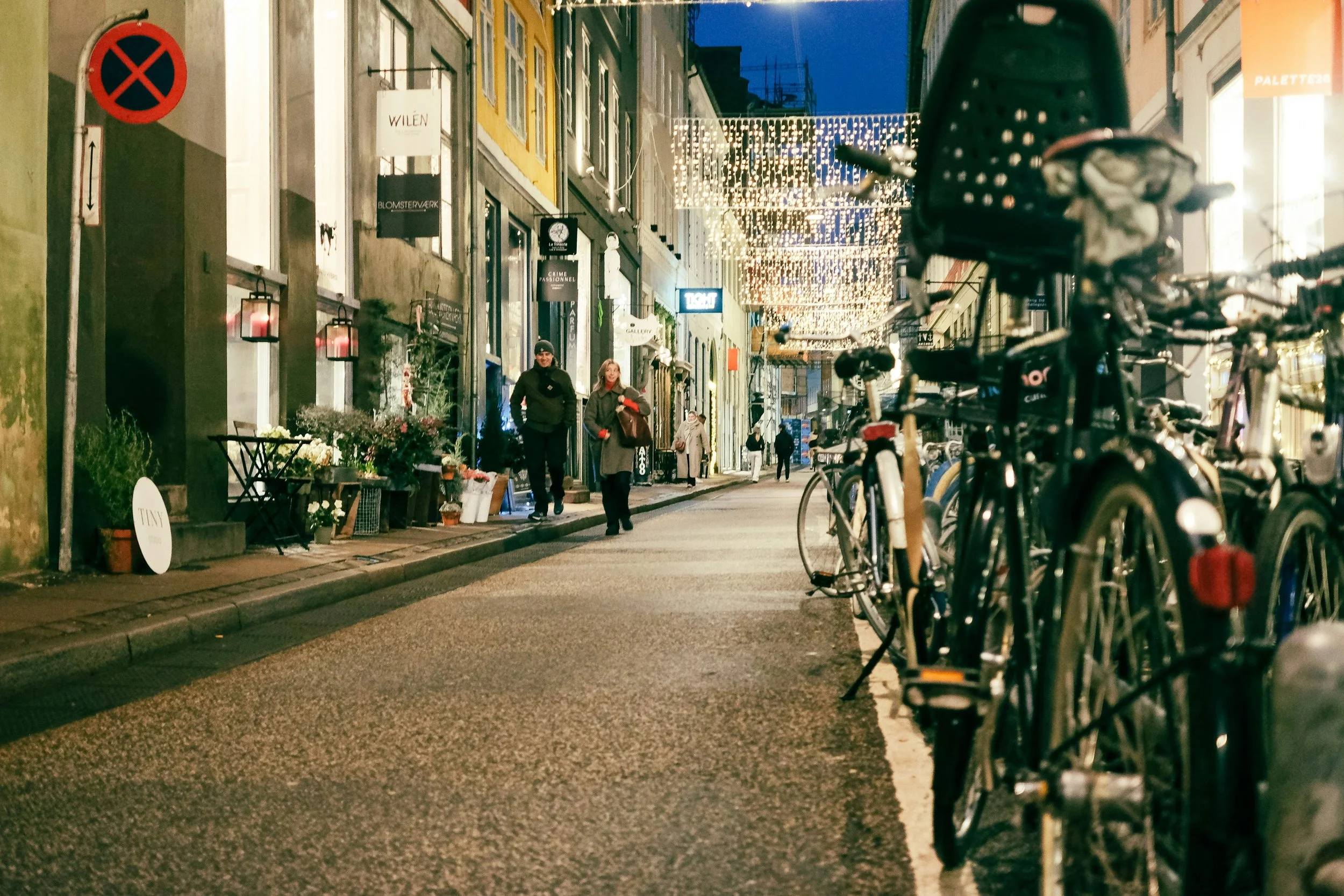
Denmark approaches the Valentine's Day tradition with characteristic Nordic charm and a delightful twist on conventional celebrations. The Valentine's Day traditions in Denmark blend romantic sentiments with humour and creativity, particularly through the unique custom of "gækkebrev" (joking letters).
The distinctive Danish Valentine's Day tradition of gækkebrev involves sending hand-crafted, intricately cut letters containing funny poems or rhymes. The sender includes only dots indicating the number of letters in their name, creating a guessing game where the recipient must figure out who sent the letter. If the recipient guesses correctly, they receive a chocolate egg at Easter; if they guess incorrectly, they owe the sender an Easter egg. This playful element distinguishes Valentine's Day customs in Denmark from more straightforward romantic declarations elsewhere.
Creating gækkebrev is an art form in Denmark, with intricate paper-cutting techniques producing delicate, lacy designs adorned with pressed flowers, often snowdrops - the first flowers of spring. These beautiful creations represent hours of careful work, demonstrating dedication and affection through craftsmanship rather than monetary expenditure, a reflection of cultural Valentine's Day practices that value effort over expense.
Although gækkebrev is now associated with February 14th, the paper-cutting tradition predates modern Valentine’s celebrations and was historically connected to spring and Easter customs. Denmark adopted commercial Valentine’s practices relatively recently, particularly during the 1990s, blending imported romantic traditions with long-standing Nordic folk customs. This layered evolution explains why Danish celebrations feel both international and distinctly local.
Traditional Valentine's Day celebrations in Denmark also include exchanging white flowers called "vintergækker" (snowdrops), which bloom in late winter. According to VisitDenmark, the tourism board, these delicate white flowers symbolise the end of winter and the promise of spring, adding seasonal significance to the Valentine's Day tradition.
While gækkebrev represents a uniquely Danish Valentine's Day custom, modern Danes also embrace more conventional Valentine's Day celebrations. Romantic dinners, chocolates, and flowers have become popular, particularly in larger cities like Copenhagen. However, the Danish approach typically maintains a sense of intimacy and cosiness ("hygge") rather than grand gestures, reflecting broader Danish cultural values.
The Valentine's Day rituals in Denmark emphasise creativity and personal expression. Many Danes handcraft their gifts or cards rather than purchasing commercial products, seeing the time and effort invested as more meaningful than expensive store-bought items. This DIY approach to romantic traditions around the world resonates with Denmark's strong craft traditions and sustainable lifestyle values.
Danish bakeries participate in Valentine's Day traditions in Denmark by creating special heart-shaped pastries and cakes decorated with pink icing, marzipan hearts, and romantic messages. These treats blend Valentine's Day with Denmark's celebrated baking culture, offering couples sweet indulgences that celebrate both love and Danish culinary heritage.
For younger Danes navigating modern dating, Valentine's Day provides an opportunity to express interest in someone new or strengthen existing connections. The light-hearted nature of gækkebrev mirrors the principles behind casual dating boundaries — allowing romantic interest without excessive pressure.
The relatively recent adoption of commercial Valentine's Day practices in Denmark hasn't entirely displaced traditional Valentine's Day customs. Many families continue creating gækkebrev with children, passing down this charming tradition through generations. This blend of old and new, local and global, characterises how Denmark maintains cultural identity while embracing international Valentine's Day traditions.
Cultural Differences in Love Celebrations

Exploring these eight countries reveals how the Valentine's Day tradition adapts to cultural contexts while maintaining the universal theme of celebrating affection and connection. Valentine's Day traditions around the world demonstrate that while the February 14th date remains consistent, the expressions of love vary dramatically based on cultural values, historical influences, and social norms.
The commercial aspects of Valentine's Day customs differ significantly between nations. American and British celebrations tend toward consumer-driven activities with significant spending on gifts and experiences, while Finnish and Danish traditions emphasise handmade gestures and friendship alongside romance. Japanese and Korean cultural Valentine's Day practices create extended celebration periods that generate economic activity over several months rather than one intense day.
Gender roles within traditional Valentine's Day celebrations also vary considerably. Western countries increasingly embrace egalitarian gift-giving, while Japanese and Korean traditions maintain clear expectations about who gives to whom and when. These differences reflect broader cultural attitudes toward gender, relationships, and social obligations.
The evolution of Valentine's Day rituals continues as globalisation spreads certain practices worldwide, while local traditions resist homogenisation. Young people in particular blend global and local customs, creating hybrid celebrations that honour cultural heritage while embracing international influences. This dynamic interplay shapes how future generations will observe romantic traditions around the world.
Technology has transformed how people participate in Valentine's Day traditions around the world. Video calls enable long-distance couples to celebrate together virtually, social media creates public displays of affection, and dating apps facilitate finding Valentine's Day partners. These digital shifts also contribute to concerns about dating app fatigue, where constant online interaction can dilute meaningful connection.
The Deeper Meaning Behind Valentine's Day Traditions
Beyond the commercial aspects and specific Valentine's Day customs, these celebrations serve important social and emotional functions. The Valentine's Day tradition provides a designated time to acknowledge relationships, express appreciation, and strengthen bonds - practices that benefit individual well-being and social cohesion.
FindingsFindings from the University of Oxford's relationship science research suggests that regular expressions of affection and appreciation contribute to relationship satisfaction and longevity. Whether through British love poems, Japanese handmade chocolates, or Finnish friendship cards, traditional Valentine's Day celebrations create structured opportunities for these positive interactions.
The inclusive approach of Valentine's Day traditions in Finland challenges assumptions that Valentine's Day must centre exclusively on romantic love. Expanding celebrations to include friendships and family relationships acknowledges the full spectrum of meaningful human connections, potentially reducing the isolation and pressure felt by those without romantic partners.
Critics of commercial Valentine's Day customs argue that genuine affection shouldn't require a specific date or expensive gifts. However, proponents note that designated celebrations serve as reminders to prioritise relationships amid busy lives, much like how birthdays or anniversaries create moments for reflection and appreciation. The key lies in maintaining authentic emotional expression rather than merely fulfilling commercial expectations.
The cultural Valentine's Day practices examined here also reveal how societies conceptualise and express love differently. Individualistic Western cultures often emphasise personal romantic fulfilment, while collectivist Asian cultures incorporate social obligations and group harmony into their Valentine's Day rituals. Neither approach is inherently superior; both reflect valid ways of understanding relationships within their cultural contexts.

Conclusion: Adapting Valentine's Traditions for Modern Relationships
Contemporary relationships often blend multiple cultural influences, particularly in diverse urban environments or international partnerships. Couples might combine Valentine's Day traditions around the world, creating personalised celebrations that honour both partners' backgrounds. This cultural fusion enriches romantic traditions around the world while presenting opportunities for learning and growth.
Same-sex couples and LGBTQ+ individuals navigate Valentine's Day customs within cultural contexts that vary in their acceptance and inclusion. Progressive approaches to Valentine's Day increasingly recognise all forms of love and relationships, though challenges remain in more conservative societies. Resources like LGBTQ+ dating etiquette help navigate these complexities.
Non-monogamous relationships also require adapting traditional Valentine's Day traditions designed around couple-centred celebrations. Those practising ethical non-monogamy might celebrate with multiple partners or emphasise the friendship aspects seen in Finnish traditions.
The COVID-19 pandemic permanently altered some Valentine's Day rituals, normalising virtual celebrations and intimate home-based activities over public dining and entertainment. These shifts may persist as couples recognise the value of private, personalised celebrations over potentially stressful public performances of romance.
For those newly dating or unsure about their relationship status, Valentine's Day can create anxiety about appropriate celebration levels. The concept of what is a situationship becomes particularly relevant around Valentine's Day, when unclear relationships require navigation of romantic expectations.
Whether you’re exploring the stages of falling in love, understanding ghosting psychology, navigating signs they want a committed relationship, or simply seeking an open-minded dating guide, understanding how different cultures celebrate the Valentine’s Day tradition enriches your perspective on romance and human connection.
Key Takeaways
The Valentine's Day tradition manifests uniquely across cultures, yet all variations share the common goal of celebrating human connection. From the poetry of Valentine's Day traditions in uk to the chocolate exchanges of Valentine's Day traditions in Japan, from the gastronomic romance of Valentine's Day traditions in France to the extended celebrations of Valentine's Day traditions in South Korea, each nation adds distinctive flavours to this global celebration.
Valentine's Day traditions in Italy honour historical romance through cultural icons like Romeo and Juliet, while Valentine's Day traditions in Finland expand the celebration to include all meaningful relationships. Valentine's Day traditions in America demonstrate how commercialisation and genuine sentiment can coexist, and Valentine's Day traditions in Denmark show how playfulness and craftsmanship create memorable expressions of affection.
Global Valentine's Day traditions continue evolving as cultures influence one another, technology transforms communication, and relationship norms shift. The future of Valentine's Day customs will likely blend traditional practices with contemporary innovations, maintaining cultural distinctiveness while embracing useful global influences.
Whether you celebrate with elaborate gifts or simple gestures, romantic dinners or friendly gatherings, the essence of any Valentine's Day tradition lies in acknowledging the people who matter in your life. As these eight countries demonstrate, there's no single correct way to celebrate - only countless beautiful variations on the universal themes of love, appreciation, and human connection.
For those navigating the complexities ofmodern dating orstarting dating after a breakup, Valentine's Day offers an opportunity to reflect on what you want from relationships and how you want to express affection. The diverse cultural Valentine's Day practices explored here demonstrate that authenticity and cultural fit matter more than following prescribed formulas.
Frequently Asked Questions
-
The Valentine's Day traditions in uk include exchanging Valentine's cards (approximately 25 million sent annually), giving red roses, writing love poems, sending anonymous gifts to create mystery, enjoying romantic dinners at restaurants, and in Norfolk, the "Jack Valentine" custom, where children receive anonymous gifts. British couples also book weekend getaways to historic cities like Bath and Edinburgh. The UK has celebrated Valentine's Day for centuries, with the tradition of commercialised Valentine's cards originating in Britain during the 19th century. Poetry and handwritten notes remain central to British Valentine's Day customs, reflecting the nation's literary heritage.
-
Yes, Valentine's Day is quite significant in the UK. It's the second-largest card-sending occasion after Christmas, with around 25 million cards exchanged annually. British restaurants are typically fully booked weeks in advance, florists report their busiest day of the year, and the Valentine's Day tradition generates substantial economic activity. However, the British approach tends toward romantic intimacy rather than excessive commercialisation, with emphasis on thoughtful gestures like handwritten poems, flowers, and quality time together. The celebration balances tradition with modern romantic expressions.
-
Common gifts for the Valentine's Day tradition in the UK include red roses (the most popular flower choice), Valentine's cards with romantic verses, chocolates, jewellery, perfume, romantic dinners at restaurants, weekend getaway experiences to scenic destinations, handwritten love letters or poems, champagne, and thoughtful personalised gifts. Unlike some countries, British Valentine's Day customs emphasise quality and thoughtfulness over quantity, with many preferring one meaningful gift that reflects knowledge of their partner's tastes and interests.
-
The British celebrate Valentine's Day on February 14th, dedicated to romantic love and affection. This Valentine's Day tradition has deep historical roots in Britain, with connections to Saint Valentine and medieval romantic customs. While the holiday centres on romantic relationships, some British people also acknowledge friendships and familial love on this day. The celebration includes the traditional Valentine's Day celebrations of card-giving, flower exchanges, romantic dinners, and expressions of love that have characterised British Valentine's Day for generations.
-
Yes, Londoners enthusiastically celebrate Valentine's Day, making it one of the city's most romantic occasions. London restaurants, particularly those with scenic Thames views or historic settings, are booked solid for Valentine's dinner. The city's attractions, like the London Eye, Tower Bridge, and various theatres, offer special Valentine's packages. Florists across London report peak business, with red roses being the top seller. The Valentine's Day tradition in London blends classic British romanticism with the city's cosmopolitan character, as diverse communities bring their own Valentine's Day customs to create a rich tapestry of celebration styles. Even navigating the city on Valentine's Day has its challenges, as discussed in how to get to a date during a tube strike.
-
Valentine's Day traditions vary globally but commonly include exchanging cards, giving flowers (especially red roses), sharing chocolates, romantic dinners, love letters, jewellery gifts, and spending quality time together. Specific Valentine's Day customs include Britain's anonymous cards and poetry, Japan's women-to-men chocolate giving, France's elegant dinners and perfume gifts, South Korea's extended monthly celebrations, Italy's Baci Perugina chocolates with love notes, Finland's friendship celebrations, America's commercial gift-giving and school card exchanges, and Denmark's gækkebrev puzzle letters. The common thread across all global Valentine's Day traditions is expressing affection and appreciation.
-
Traditional Valentine's gifts across most cultural Valentine's Day practices include red roses (symbolising romantic love), Valentine's cards with romantic messages, heart-shaped boxes of chocolates, jewellery (particularly in Western countries), handwritten love letters or poems, romantic dinners, perfume, and champagne. In Japan, women traditionally give chocolate to men, while Denmark features handmade gækkebrev letters. Italy is known for Baci Perugina chocolates with love notes. The Valentine's Day tradition of gift-giving reflects the giver's affection and cultural background, with emphasis varying from expensive jewellery to simple handmade tokens depending on the country and relationship stage.
