Valentine's Day for Couples Who Hate the Pressure
Let's be honest: not everyone wants to queue for an overpriced prix fixe menu or panic-buy petrol station roses on 14th February. While Instagram feeds fill with champagne towers and heart-shaped everything, plenty of couples are quietly opting out - and they're not apologising for it.
If you've ever felt the weight of Valentine's Day pressure crushing your soul, you're far from alone. Many modern Valentine's Day celebrations for couples thrive precisely because they've ditched the script. This isn't about being unromantic or cynical. It's about choosing connection over compliance, and meaning over marketing.
This guide is for Valentine's Day for couples on their own terms - whether that means staying in on Valentine's Day with a curry, going to bed early, or simply treating it like any other Thursday.
Table of Contents
Why Couples Are Skipping Valentine's Day
What Couples Actually Do Instead
Budget-Friendly At-Home Rituals
Handling Mismatched Expectations
Low-Pressure Valentine's Day Ideas That Actually Feel Good
FAQ: Your Valentine's Day Questions Answered
Why Couples Are Skipping Valentine's Day for Couples (And That's Completely Fine)
The commercialisation of romance has left many people cold. According to recent consumer trends, a growing number of UK couples are actively choosing non-traditional Valentine's Day for couples' celebrations - or none at all. The reasons vary, but they're all valid.
1. The Financial Squeeze

Restaurant prices spike, hotel rates double, and suddenly a "romantic gesture" requires a second mortgage. For couples navigating cost-of-living pressures, spending £100+ on a single meal feels absurd when that money could fund several meaningful experiences throughout the year. Valentine's Day for couples shouldn't mean financial anxiety.
2. Performative Romance Feels Hollow

When romance becomes a social media obligation, it loses its intimacy. Many couples report feeling pressured to perform their relationship for an audience rather than simply enjoying each other's company. The desire for a low-key Valentine's Day for couples often stems from a desire for a genuine connection rather than Instagram-worthy moments.
3. Relationship Styles Are Evolving

Not all partnerships fit the traditional mould. People exploring different relationship structures or navigating non-monogamy might find Valentine's Day particularly awkward. Even monogamous couples who are still casually dating may feel the holiday's intensity doesn't match their current dynamic.
4. Anti-Consumption Values

Environmentally conscious couples increasingly reject the waste associated with Valentine's Day for couples, such as single-use cards, plastic-wrapped flowers flown in from overseas, and unnecessary gifts. Choosing a no-pressure Valentine's approach can align better with personal values around sustainability and mindful consumption.
5. Simply Not Their Thing
Some people just don't care for designated romance days. They show affection year-round and don't need a calendar reminder. This doesn't indicate a lack of love - it's a different expression of it, and couples who don't celebrate Valentine's Day for couples often have perfectly healthy, loving relationships.
Budget-Friendly At-Home Rituals for Valentine's Day for Couples That Beat Restaurant Hell

Staying in on Valentine's Day doesn't mean settling for less. In fact, many couples find home-based rituals far more intimate than crowded restaurants where you're seated inches from strangers.
1. The Collaborative Cook-In
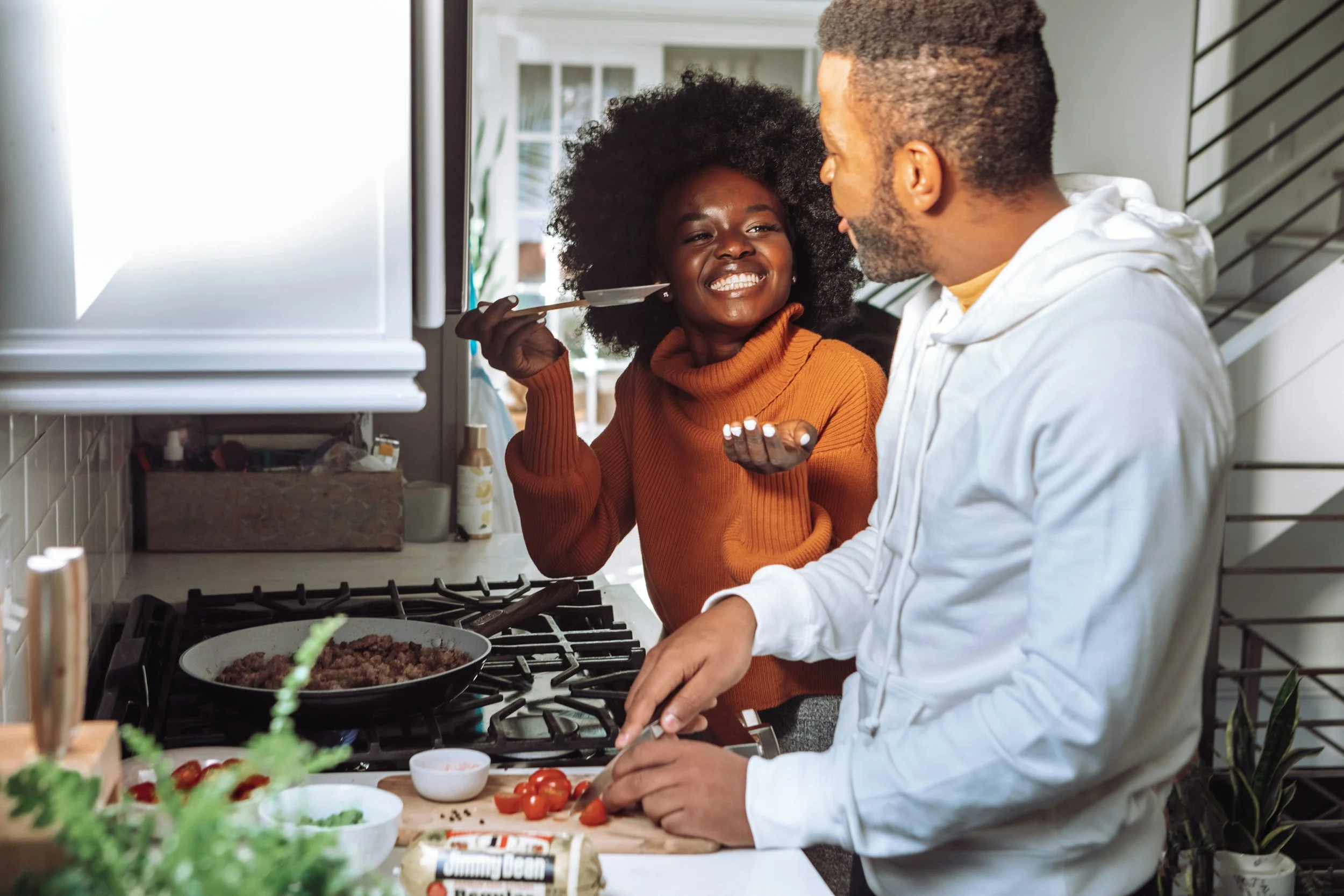
Choose a cuisine you've never tried making together and spend the evening experimenting. Search for recipes from cultures you want to explore, make a shopping list, and turn cooking into the activity itself - not just the means to dinner.
This approach ticks multiple boxes for Valentine's Day for couples: it's creative, collaborative, budget-friendly, and results in a meal you've built together. Plus, there's something genuinely romantic about laughing over a kitchen disaster, which is more memorable than perfect service.
Staying connected through shared activities often strengthens relationships more than passive consumption ever could.
2. The Comfort Film Marathon

Pick a genre or director you both love and create a mini film festival. Build a blanket fort, make popcorn with ridiculous toppings, silence your phones, and commit to being fully present.
Low-pressure Valentine's Day for couples ideas work precisely because they reduce performance anxiety. You're not trying to create a perfect moment - you're simply sharing space and attention.
3. The Digital Detox Evening
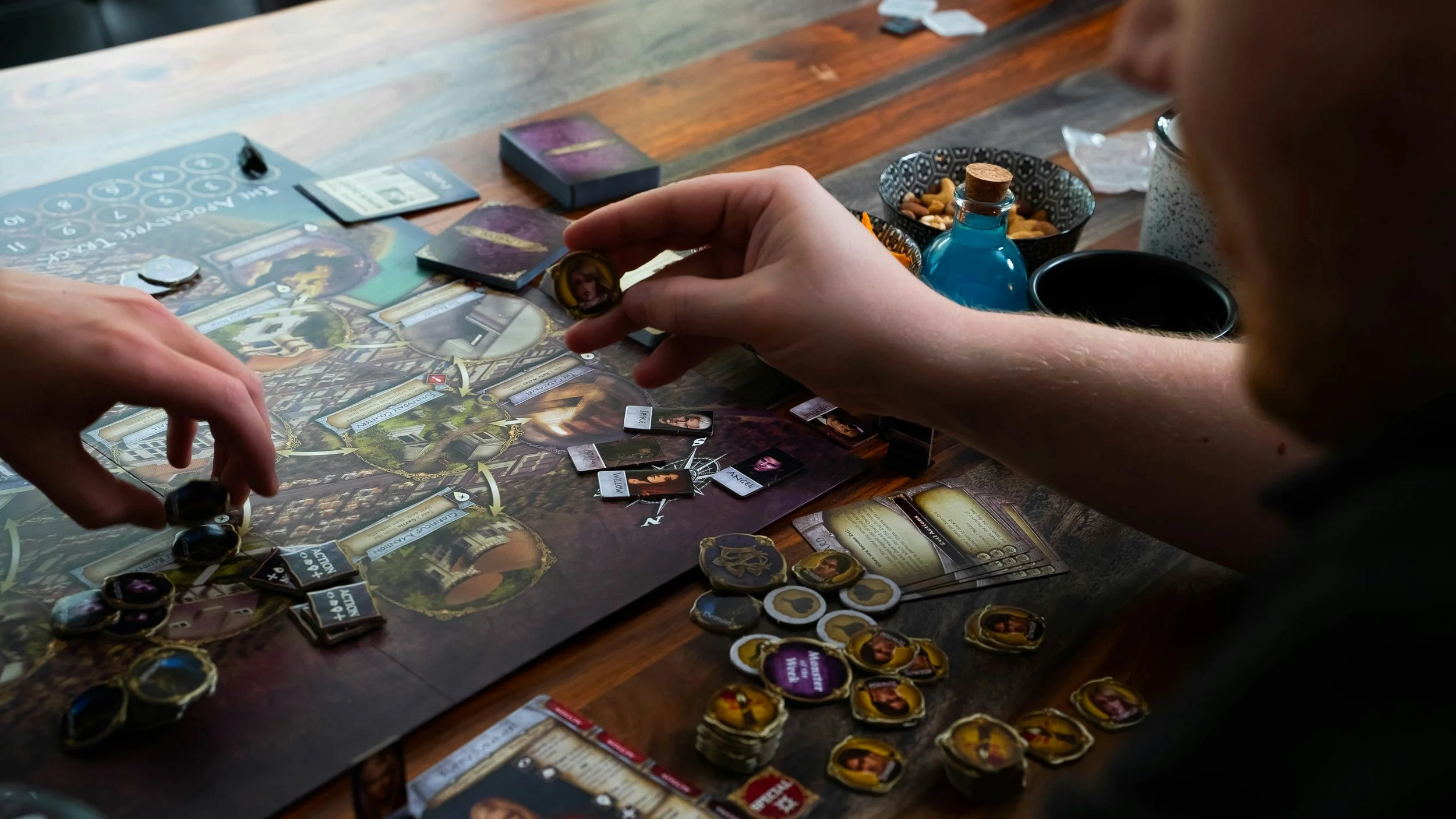
Set aside devices from 6 pm onwards. No social media, no work emails, no scrolling. Just conversation, board games, music, or simply existing together without the constant digital interruption.
For many modern Valentine's Day couples, this represents the ultimate luxury: undivided attention in an age of constant distraction.
4. The DIY Spa Night
Transform your bathroom into a relaxation zone. Light candles, run a bath, put on a face mask, and take turns giving shoulder rubs. Most hotel spas charge £150+ for what you can create at home for under £20.
This ritual honours the desire for indulgence whilst maintaining the intimacy of private space. It's Valentine's Day for couples who want to feel pampered without the price tag.
5. The Memory Lane Evening

Pull out old photos, reread early texts (if you can bear the cringe), or create a playlist of songs from significant moments in your relationship. Reminiscing together reinforces your shared history and can be deeply affirming without costing anything for Valentine's Day for couples.
Handling Mismatched Expectations for Valentine's Day for Couples Without Drama

The trickiest part of Valentine's Day for couples often isn't the day itself - it's when partners have different ideas about how (or whether) to celebrate. Navigating this requires the kind of emotional intelligence that strengthens relationships year-round.
1. Have the Conversation Early
Don't wait until 13th February to discover your partner's been planning something elaborate whilst you've been planning nothing. Check in during early February: "How are we feeling about Valentine's this year?"
This conversation matters for couples who don't celebrate Valentine's Day for couples as much as for those who do. Assumptions cause conflict; clarity prevents it.
2. Validate Different Preferences
One partner might love the idea of skipping Valentine's Day for couples entirely, whilst the other feels genuinely hurt by the absence of acknowledgement. Neither perspective is wrong. The relationship health comes from respecting the difference rather than dismissing it.
Try: "I hear that this day matters to you, even though it doesn't hold the same meaning for me. Let's find something we can both feel good about."
3. Find the Middle Ground
If one person wants a big night out and the other wants complete normalcy, explore compromises for Valentine's Day for couples:
A nicer-than-usual home-cooked meal, but not a restaurant
Exchanging small, meaningful gifts, but no flowers or jewellery
Celebrating on a different day entirely
Focusing on an experience rather than material items
Low-pressure Valentine's Day for couples ideas often emerge from this negotiation process. When both people contribute to the plan, ownership is shared.
4. Separate Celebration from Worth
The amount of effort someone puts into Valentine's Day doesn't measure their love. People express affection differently, and understanding different relationship styles means accepting that grand gestures aren't everyone's language.
If you're someone who values Valentine's Day for couples' acknowledgement, communicate why it matters to you specifically. If you're someone who finds it meaningless, don't be dismissive of your partner's attachment to it.
5. Establish Your Own Tradition
Rather than fighting about the societal expectation every year, create your own ritual that both partners can get behind. Maybe Valentine's Day for couples becomes your annual "try a new restaurant in our neighbourhood" night, or your "stay in and play cards" evening, or simply "no phones after 7 pm" night.
When couples design their own version of Valentine's Day for couples, the pressure dissolves because you're no longer performing for external validation.
Low-Pressure Valentine's Day for Couples: Ideas That Actually Feel Good

If you want to acknowledge the day without succumbing to Valentine's Day pressure, these approaches offer a genuine connection without the performance anxiety for Valentine's Day for couples.
1. Explore Your Local Area Like Tourists
The UK is filled with incredible walks, historical sites, and hidden gems that locals often overlook. Grab a coffee, pick a nearby area to explore, and spend a few hours discovering something new together.
This works particularly well for Valentine's Day for couples who want to do something special without the restaurant markup. Fresh air, conversation, and movement often facilitate a deeper connection than sitting across a table, making intense eye contact.
2. Volunteer Together

Spend the evening at a local community kitchen, animal shelter, or charity shop. This non-traditional Valentine's Day for couples approach shifts focus from consumption to contribution, which many couples find more fulfilling than expensive dinners.
Helping others together can strengthen your bond while doing something genuinely useful. It's also a good reminder that love extends beyond romantic partnerships for Valentine's Day for couples.
3. The Handwritten Letter Exchange
Set a timer for 20 minutes and write each other letters about what you appreciate in your relationship. Exchange them and read in comfortable silence, then discuss if you want to.
This low-cost ritual creates something tangible you can keep, and the act of articulating appreciation often reveals feelings that don't surface in daily conversation. It's a low-key Valentine's Day option that can be surprisingly powerful.
4. Book or Podcast Club for Two
Choose something to read or listen to together, discuss your thoughts, and use it as a springboard for deeper conversations. This works particularly well for couples who struggle with small talk or want to move beyond surface-level chat.
Modern Valentine's Day relationships often benefit more from intellectual connection than from prescribed romance. Shared curiosity can be its own form of intimacy.
5. Take a Class or Workshop Together
Many local venues offer evening workshops in pottery, cooking, cocktail making, or art. These typically cost less than a fancy dinner and provide both an activity and a skill. Check local experience providers for options.
Learning something new together creates shared memories whilst keeping the focus on the activity rather than the relationship itself, which paradoxically often strengthens the connection.
6. The Question Game
Find a list of deep conversation prompts (many exist online) and work through them together over drinks at home. Questions like "What's something you've changed your mind about recently?" or "What's a fear you haven't told me about?" facilitate the kind of vulnerability that often gets lost in daily logistics.
For couples who don't celebrate Valentine's Day in traditional ways, creating space for authentic conversation can feel more romantic than any restaurant reservation.
7. Support Something You Both Care About
Instead of buying each other gifts, make a joint donation to a cause you both value. Then spend the evening discussing why it matters to you. This approach to Valentine's Day for couples centres shared values rather than material exchange.
8. The Sunrise or Sunset Adventure

Set an alarm for an ungodly hour and watch the sunrise together from a local viewpoint, or find a good sunset spot in your area. Witnessing natural beauty together - especially when it requires mild sacrifice - can feel more meaningful than shop-bought romance.
The UK has stunning viewing spots accessible to most people. Bring a thermos of coffee or hot chocolate and simply be present together.
Creating Your Own Definition

The healthiest approach to Valentine's Day for couples might be rejecting the idea that there's a "right" way to celebrate at all. Your relationship exists in all its complexity every single day. One arbitrary date in February doesn't define your connection, your commitment, or your affection.
If grand romantic gestures make you both happy, brilliant - do them. If you'd rather watch telly in your pyjamas, equally valid. If one partner needs acknowledgement whilst the other couldn't care less, that's a conversation about understanding each other's needs, not about Valentine's Day specifically.
The pressure dissolves when you realise you're allowed to design your own version. Modern Valentine's Day relationships increasingly reject the prescribed script in favour of authentic expression.
When Valentine's Day Reveals Deeper Issues
Sometimes conflicts around Valentine's Day point to larger relationship dynamics. If one partner consistently dismisses the other's emotional needs - not just on 14th February but generally - that's worth examining. Similarly, if someone weaponises Valentine's expectations to test their partner's devotion, that suggests unhealthy patterns.
Disagreeing about Valentine's Day celebration is normal. Using it as a referendum on the relationship's viability probably indicates deeper communication issues that deserve attention.
If you're still figuring out what you want from relationships generally, the Valentine's Day question might feel particularly fraught. That's information worth sitting with.
The Anti-Pressure Toolkit: Practical Strategies
For couples committed to Valentine's Day without pressure, these practical approaches can help:
Set a spending limit together (even if that limit is £0). Remove the anxiety of "is this enough?" by agreeing on boundaries in advance.
Use the day as a check-in point rather than a performance. Ask: "How are we doing? What's been working? What needs attention?" This reframes Valentine's Day for couples as a relationship maintenance moment rather than a test.
Plan something for the week after, when you can actually get reservations and normal prices return. The cultural moment has passed, but you've still marked your relationship.
Explicitly tell each other what you need. "I don't need gifts, but I would like us to cook dinner together", or "I don't care about the day itself, but receiving flowers would make me happy", removes guesswork.
Remember that authentic connection matters more than perfect execution. A slightly burnt home-cooked meal with full presence beats a Michelin experience where you're both on your phones.
Permit yourself to evolve. Maybe you loved Valentine's Day in your first year together and now find it exhausting. Or perhaps you've softened toward it after years of dismissal. People change, relationships evolve, and your approach to Valentine's Day for couples can shift accordingly.
Beyond the Binary: Valentine's Isn't All or Nothing
The conversation often frames Valentine's as "celebrate or don't," but most couples exist somewhere in the middle. You might hate overpriced restaurants but enjoy marking the day somehow. You might skip February 14th entirely, but celebrate your anniversary with intention. You might do something tiny one year and something bigger another.
Low-pressure Valentine's Day ideas work precisely because they reject the binary. You can acknowledge the cultural moment without buying into the full commercial production. You can appreciate your partner without believing one day defines your entire relationship.
The couples who seem happiest around Valentine's Day are often those who've established their own rituals - whether that's an annual film marathon, a hike to a favourite spot, exchanging silly cards, or simply agreeing to ignore it entirely. The content comes from alignment and autonomy, not from conforming to external expectations.
When Your Friends Are All Posting, and You're... Not
Social media can amplify Valentine's Day pressure significantly. Watching friends post restaurant photos, gift hauls, and love declarations whilst you're having beans on toast can trigger unnecessary comparison.
Remember: you're seeing curated highlights, not reality. The couple posting champagne selfies might have argued in the car on the way there. The enormous bouquet might be compensating for forgotten birthdays and emotional unavailability. Or it might not - maybe they genuinely love the whole production. Either way, it's irrelevant to your relationship.
Realistic Valentine's Day for couples means measuring your satisfaction against your actual values, not against someone else's Instagram story. If beans on toast with full presence and genuine conversation satisfies you both, you're winning. If you want the champagne selfies, go get them. Just make sure you're choosing for yourselves, not performing for an audience.
Consider taking a break from social media around Valentine's if the comparison becomes toxic. Your relationship exists in real life, not in the digital validation economy.
The Long-Term Perspective
Healthy relationships are built through thousands of small moments: making tea when your partner's tired, listening properly when they need to vent, showing up for the boring stuff, and being kind when it's difficult. These daily demonstrations of care matter infinitely more than one orchestrated evening in February.
Valentine's Day for couples who have been together for decades often looks completely different from the commercial ideal - because these couples have learned what actually sustains connection. It's rarely grand gestures. It's usually consistency, kindness, and genuine interest in each other's well-being.
New relationships might feel more pressure to "do Valentine's right" because there's less established history to draw on. If you're still in the early stages or recently started dating, the day can feel like a test you haven't studied for.
Actually, it's an opportunity to establish your own patterns. How you navigate differing expectations now sets precedents for future conflicts. If you can discuss Valentine's preferences honestly and find a comfortable compromise, you're building useful relationship skills that apply far beyond one day.
The Permission You're Looking For
If you've read this far, you're probably seeking validation to skip, downplay, or reimagine Valentine's Day. Here it is: you have absolute permission to celebrate Valentine's Day for couples in whatever way honours your actual relationship, not the marketing department's fantasy version.
You're not unromantic for preferring a quiet evening over a restaurant. You're not cynical for rejecting commercial pressure. You're not failing at relationships by doing things differently.
The strongest couples often build their own traditions that make sense for their specific dynamic. Maybe that includes Valentine's, maybe it doesn't. Maybe it changes year to year. All of these approaches are valid.
The goal isn't to optimise Valentine's Day. The goal is to build a relationship that satisfies both people most of the time, which includes being able to navigate cultural moments like this with mutual respect and clear communication.
Key Takeaways
Valentine's Day for couples doesn't have to follow anyone else's script. The healthiest approach often involves:
Communicating openly about expectations and preferences before the day arrives
Validating different perspectives rather than dismissing them
Creating your own rituals that reflect your actual relationship, not a commercialised ideal
Remembering that one day doesn't define your connection - daily kindness matters more
Rejecting comparison with how others celebrate or don't celebrate
Giving yourself permission to opt out, scale down, or reimagine entirely
Whether you choose a low-key Valentine's Day, actively practice skipping Valentine's Day, or find your own version of no-pressure Valentine's Day celebration, the key is alignment between partners. Realistic Valentine's Day for couples means whatever feels authentic to your specific relationship, free from external judgment or Valentine's Day pressure.
The couples who seem most content around 14th February aren't necessarily those spending the most money or creating the most Instagram-worthy moments. They're the ones who've figured out what works for them specifically and stopped worrying about everyone else's opinion on it.
FAQ: Your Valentine's Day Questions Answered
-
The beauty of Valentine's Day for couples in the UK is the sheer variety of options. You can book a romantic experience like a countryside escape, explore London's alternative Valentine's events, or simply stay home with a takeaway. Many couples find that low-pressure Valentine's Day ideas like local walks, cooking together, or movie nights feel more authentic than expensive restaurants. The UK offers everything from spa days to comedy nights, but increasingly, couples are choosing to stay in on Valentine's Day over traditional outings. What matters most is finding an approach that honours your specific relationship dynamic.
-
Yes, modern Valentine's Day relationships in the UK certainly acknowledge the day, though not always in traditional ways. Retail data shows significant spending on cards, flowers, and chocolates, but there's also a growing movement toward non-traditional Valentine's Day celebrations or skipping Valentine's Day entirely. The cultural conversation has shifted to include permission to opt out without judgment. Many UK couples now treat it as optional rather than obligatory, choosing to mark the day only if it genuinely appeals to both partners. The pressure to conform has lessened as people recognise that couples who don't celebrate Valentine's Day can have equally healthy, loving relationships.
-
Beyond Valentine's specifically, the UK offers countless experiences for couples year-round. The National Trust maintains hundreds of properties and gardens perfect for day trips. Cities like London, Edinburgh, and Manchester offer theatre, museums, restaurants, and nightlife. Coastal areas provide dramatic walks and seafood. The Lake District and Scottish Highlands offer outdoor adventures. For couples seeking realistic Valentine's Day for couples alternatives, these experiences work beautifully throughout the year without the February markup. Rather than forcing romance into one pressured day, many couples find that spacing out these experiences creates a more sustainable connection. Whether you're interested in authentic dating experiences or simply maintaining your relationship, the UK provides ample opportunities for connection that don't require Valentine's Day participation.
-
The most successful approach to Valentine's Day for couples often involves early communication about expectations and preferences. Some couples enjoy fancy dinners or weekend getaways, whilst others prefer low-key Valentine's Day celebrations like cooking together, watching films, or exchanging small, meaningful gifts. Low-pressure Valentine's Day ideas that many couples enjoy include: collaborative cooking projects, home spa evenings, sunrise or sunset viewing, volunteering together, taking a class or workshop, exploring local areas as tourists, or simply having a device-free evening focused on conversation. The key isn't following a prescribed format but finding what feels authentic to your specific relationship. Many couples discover that Valentine's Day without pressure actually creates more genuine connection than forced romantic gestures.
-
Valentine's Day maintains commercial visibility in the UK with widespread marketing, shop displays, and restaurant promotions, but its cultural importance varies significantly between individuals. While some embrace the traditional Valentine's Day for couples celebration enthusiastically, others actively reject what they see as commercial manipulation. The day's significance often depends on generation, relationship stage, and personal values. Younger couples and those in early relationship phases might feel more pressure to participate, whilst established couples often feel more comfortable opting out entirely. Recent trends suggest the UK is moving toward a more relaxed approach where no pressure Valentine's becomes the norm rather than the exception. People increasingly recognise that relationship health isn't measured by one day's performance.